24*7 365 days
24*7 365 days
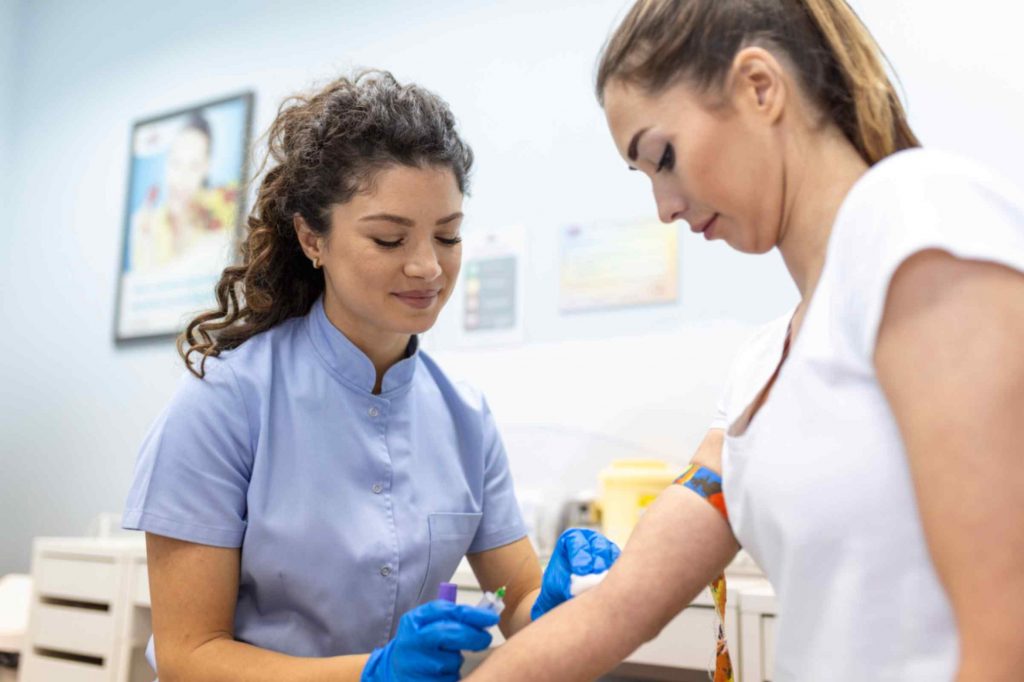
Development has progressed and advanced to a higher level in the last few decades. You may have noticed how it is far easier to get diagnosed and treat different kinds of new diseases. While technology is reaching new heights with precision and accuracy in the field of health services, people still are not making the best out of it. With the rise of technology, there has also been a rise in the number of new diseases and health conditions. The diseases and health conditions can, however, be diagnosed and treated when you regularly prioritize yourself for routine screening.
For a long time, healthcare facilities and the field overall have hugely dismissed women’s health problems. The symptoms for men and women are quite different, but the development of medications and studies are mostly based on men only. Only in recent years have women have finally been prioritized to be considered for the diagnosis, research and treatment procedures for various diseases. This thus has helped in detecting potential health issues earlier and timely treatment, saving women’s lives on numerous occasions. In this blog, we will guide you comprehensively and help you learn the significance of preventative healthcare and how women across the globe can gain maximum benefit from routine screenings.
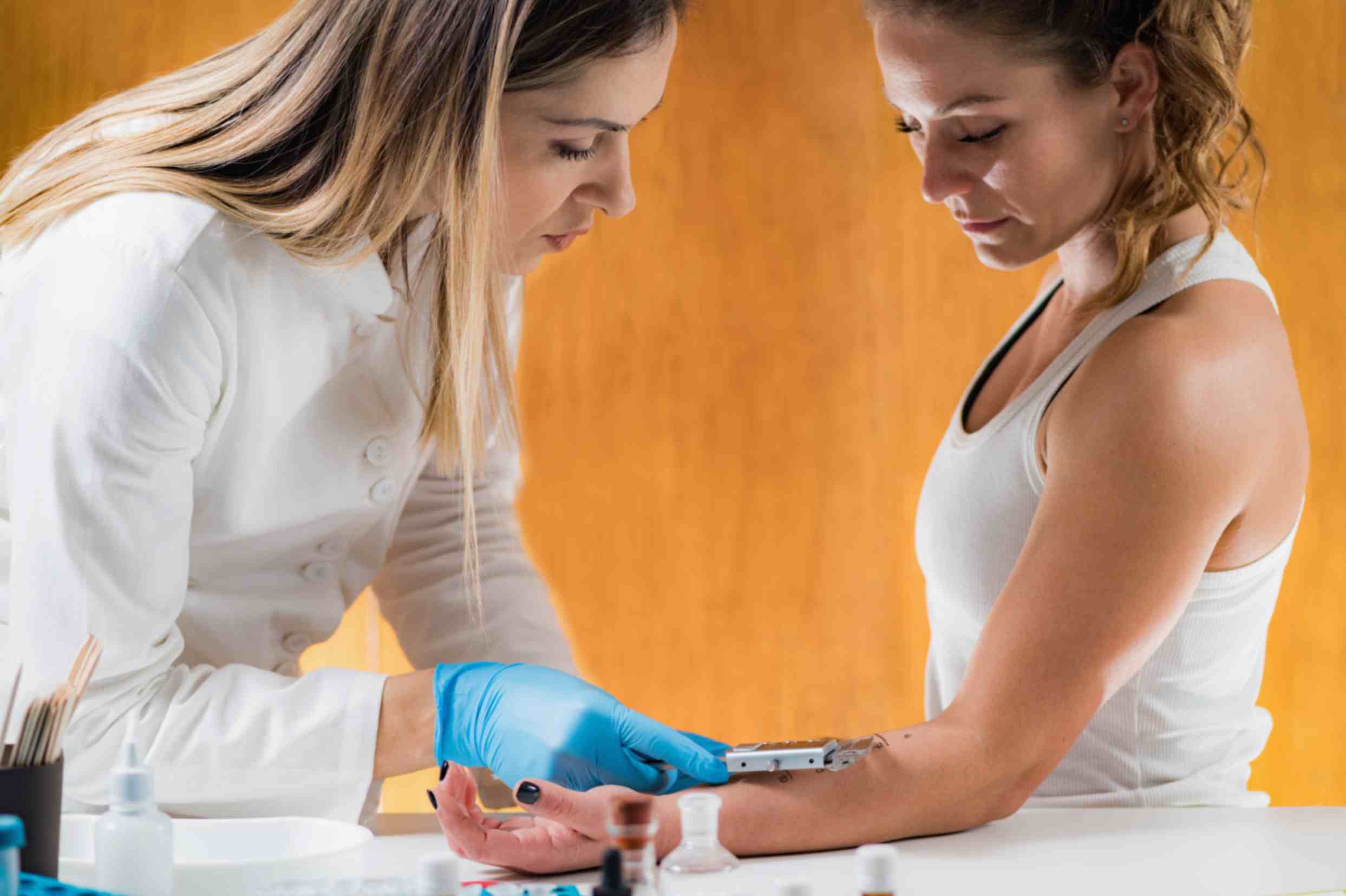 Routine screening is a set of medical test packages and examinations conducted in frequent and regular time intervals to monitor the overall health status of an individual. The procedure is highly effective as it helps detect potential health problems and prevents the progression of diseases.
Women who progress to a certain age range, mostly from (40 – to 60) are far more likely to have diseases like breast cancer, ovarian cancer, colon cancer and cardiac arrests. Similarly, men, in general, are likely to be affected by prostate cancer testicular cancer and are at high risk of getting cardiac arrest. In such a case, customized routine screening can be a savior as the procedure has a specific set of healthcare checkup lists for each gender to quickly detect potential health problems.
For the best health status of a community, we need to realize the importance of women’s health. Women’s health checkup packages can rescue them by helping them prevent diseases by adapting to healthy lifestyle manuals. Most importantly, it helps in the timely diagnosis of diseases when women doubt themselves and choose to ignore body abnormalities. It is thus important for women to prioritize and put themselves first for regular whole-body screening. Most of the health care screening packages vary by age, gender, and individual risk factors like genetics. Routine health screenings that are inclusive of a specific set of healthcare packages, like women’s health checkup lists, can be very helpful and handy for doctors to help women achieve a simpler and healthier life.
When you get your blood pressure and sugar level checked, you are more certain about what changes you can make to improve your lifestyle. You can also take cautious steps for the health conditions that disturb your daily activities.
When you regularly set aside some time for yourself for medical screenings, you get to examine the overall health of your body. With the information regarding the status of your organs, your doctors will be able to determine what aspects of your body and health you could prioritize more for a healthier lifestyle. Above all, you will be able to treat diseases in time if some disease is slowly developing in your body. While many people believe that frequent medical health screening would be expensive, in the long term, it is far more cost-effective to manage health with health check-up packages. Some of the obvious benefits of women’s health screening include the following:
When going through routine health screening for Women, it is a given that you would want to consult with the best doctors. However, not all of us need to know who the best ones in the field are. The good news here is that Venus Hospitals has some of the best doctors for the routine screening of women’s health. Following is a list and a brief overview regarding some of the best doctors for routine screenings for women.

Dr Noora Pradhan specializes in laparoscopic gynaecology and obstetrics and puts a strong focus on both clinical practice and education. As a result, she is among the top medical professionals for women’s general health. She actively participates in outreach camps throughout Nepal, offering medical care to people in need, demonstrating her commitment to women’s health outside of the hospital. Gynecological education and training, both domestically and internationally, have benefited greatly from the contributions of Dr Pradhan. She has significantly influenced medical education by her frequent attendance at conferences and by talking about her research. She has also broadened her understanding by continuing her study in reproductive medicine and ultrasonography. Furthermore, she also provides careful care and utilizes the most recent developments in reproductive therapies.
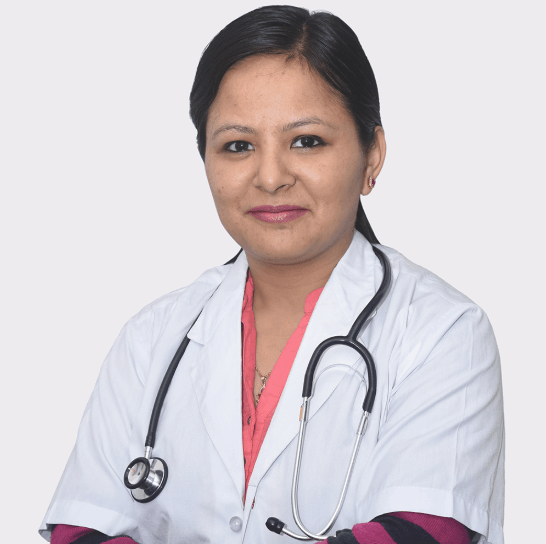
Dr. Anupama Gurung (Suwal) is one of the leading specialists in reproductive medicine and IVF in Nepal. Therefore, during the overall health checkup, if you have any queries regarding this specific aspect, then she is undoubtedly one of the best doctors you can seek. She has contributed significantly to medical education by attending numerous conferences and discussing her research, in addition to expanding her knowledge by seeking additional training in reproductive medicine and ultrasound. She is also dedicated to using the latest advancements in fertility treatments and offering compassionate care.
Venus Hospital provides a variety of services and is home to some of Nepal’s best doctors for women’s health. The following are the main women’s health services offered by Venus:
Therapy for pelvic organ prolapse, urine incontinence, and other associated conditions specialized treatment for adolescent girls that addresses menstrual health and puberty concerns
So with this, we covered the basics of the best doctor and the services. Now, let’s discuss the core of this topic. Women’s Health Checklist: Routine Screenings You Can’t Ignore and Women’s Health Checklist by Age.
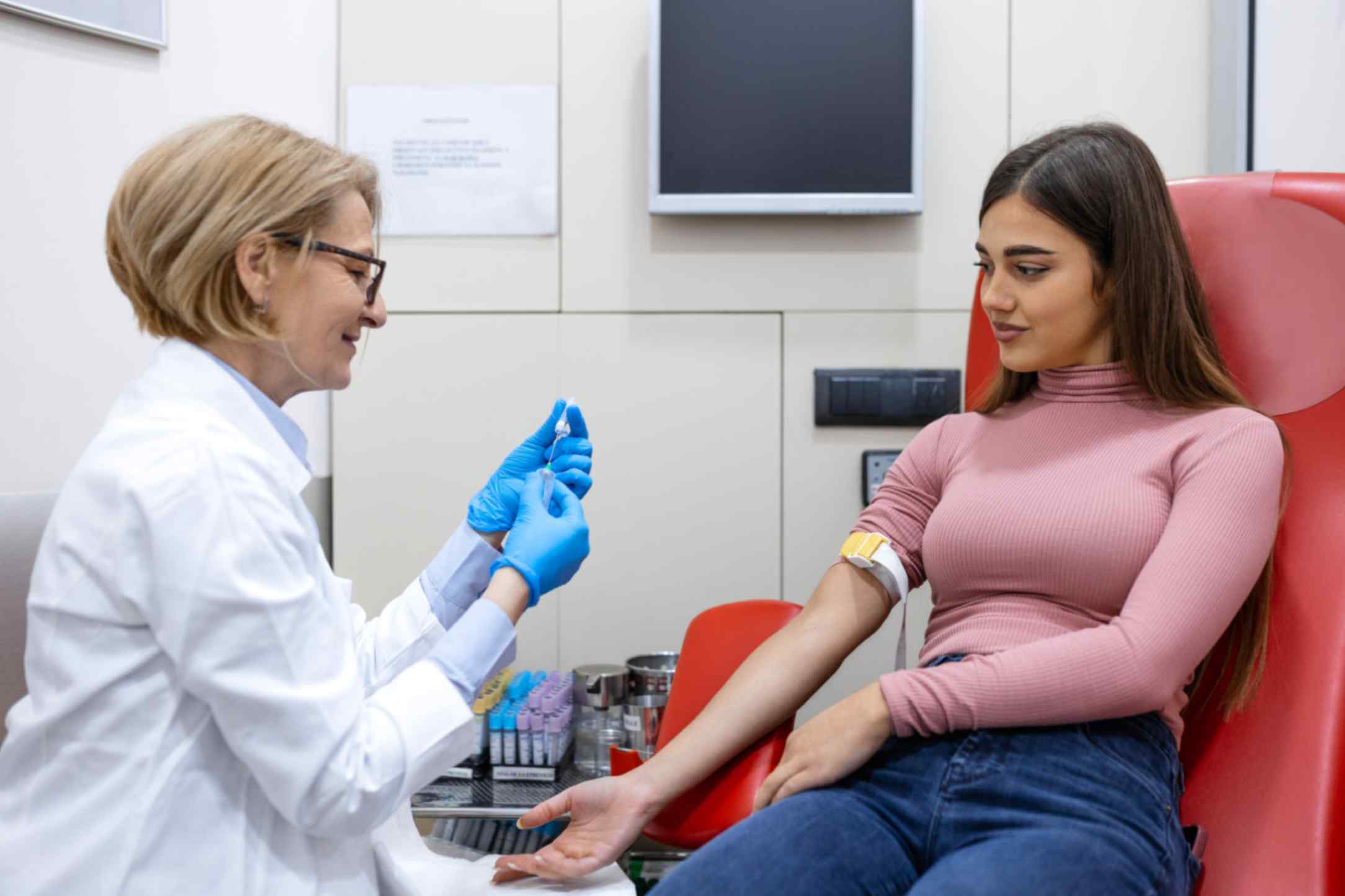 The male and female bodies are prone to a specific set of diseases when they start to age. While both genders are prone to struggle with heart diseases, bone health, diabetes and high blood pressure, there are other sets of diseases like thyroid, breast cancer and ovarian cancer which are more specific to women. In this section, we will help you understand the major part of routine screenings that you cannot ignore.
When diseases attack a person, they often lose or gain huge weight in a short span of time, alerting professionals to keep an eye on the patient. With the regular measurement of basic aspects of your body health like blood pressure, sugar level, and weight, a general level of health inspection can be conducted to watch out for symptoms.
The symptoms of cardiac diseases shown by males and females are quite different. Most of the case studies are also based on males, which is why it is difficult for even educated people to trace the symptoms of females experiencing cardiac health problems. This is why so many women lose their lives to cardiac health issues for being misdiagnosed and simply having their symptoms underlooked. It is thus important for women to seek annual health checkups on a regular basis from professional doctors.
Men, on average, have a higher peak bone mass and bone mineral density (BMD) compared to women. This is especially more applicable for the hip and lumbar spine areas. This is why women have thinner bone mass density and are more likely to lose bone mass density at a faster rate compared to men. It is thus important for you to seek the best annual health checkup package to have healthy bone density and you can adhere to lifestyle and habits as recommended by your doctors.
The imbalance of sugar levels in the blood is known as diabetes mellitus, which is a chronic health condition from which millions of people suffer every day. With the rise of global culture, the trend of fast processed food and worsening climatic conditions have led to the ingestion of unhealthy food at one of the fastest paces. People who have diabetes have abnormal or deformed functionality of their pancreas as the insulin (a hormone that converts food into energy) production is malformed. Many people have little to no production of insulin, leading to increased levels of unprocessed and unused sugar in the blood. This condition is called hyperglycemia. Some people have low sugar levels due to heavy chores, low ingestion of foods, heavy alcohol/ medication intake and critical health issues.
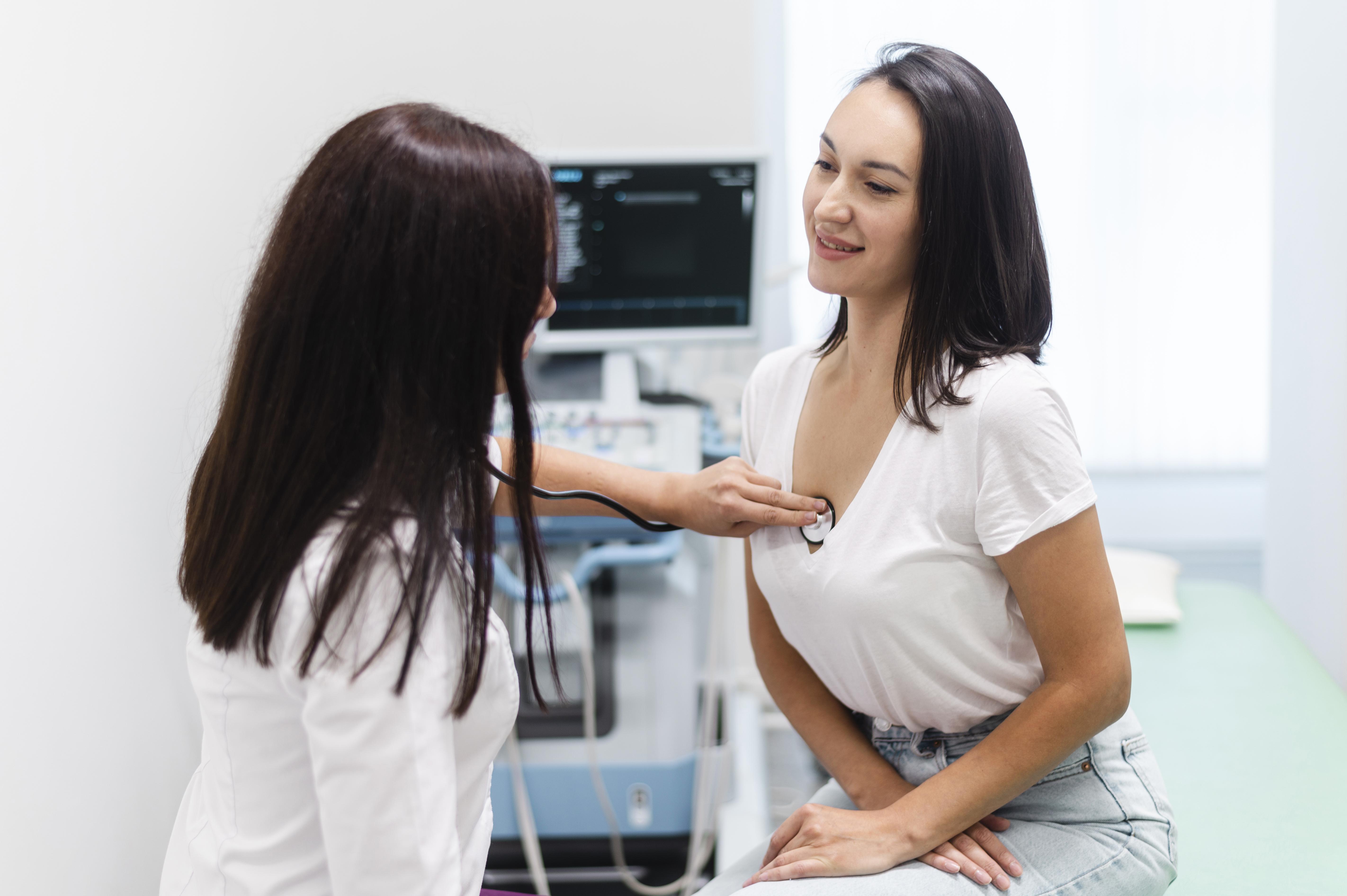 Breast cancer is one of the leading causes of death for many women across the globe. Even with access to the best healthcare systems, many women lose their lives to treatable breast cancer conditions simply because of late diagnosis. In 2022, 2.3 million women were diagnosed with breast cancer. In estimation, 1 in 8 women is very likely to have breast cancer. While women ranging from the age of 40 – to 65 are far more at risk of getting breast cancer, currently, women aged 25 to 35 are also now more likely to have the disease. It is thus best to not underestimate the wildfire of cancer and get yourself regularly checked up for mammograms and x-rays.
Gynecological cancer (cancer of organs like ovaries, vagina, cervix, fallopian tubes, ovary, vulva and uterus) is estimated to be one of the major leading causes of death for women across the world in the next few decades. It is thus best to consult doctors and get a vaccine against HPV (Human Papillomavirus) and regular whole body inspection for early detection of diseases. Non-life threatening but distressing conditions like PCOS (Polycystic Ovary Syndrome) could also be treated either for having less painful menstrual experiences or to conceive babies easily.
Colon and rectal cancer are also some of the major cancers detected in women that have a prolonged effect on one’s health and lifestyle. The underlooked aspect of colorectal health has thus resulted in late diagnosis and mortality amongst many women.
As women are far more likely to suffer from mental health conditions in silence, it is best for them to look out for mental health screenings to get support for underlying problems like depression, anxiety and eating disorders. Neurodivergent conditions like OCD, ADHD, and Autistic traits are likely to get underlooked in women. It would be good to seek professional help to be the better version of yourself and use medications when needed.
Recommended Blog: Best Hospitals in Kathmandu: Services and Contact Details
The following table can help you navigate the routine screening for best health status.
| Category | Test | Frequency |
| 1. General Health | Focused basic checkup (Weight and Height), and Thyroid test (TSH). | Recommended by your doctor or once in every 6 months or on a yearly basis. |
| 2. Heart Health | Blood Pressure Level inspection and Cholesterol Test | Blood pressure could be assessed once every 3 or 6 months. Cholesterol level can be checked annually. |
| 3. Bone Health | Bone Mineral Density Test | Best to start at the age of 40 on an annual basis. |
| 4. Diabetes | Blood Sugar Test | Starting from the late 30s every year. |
| 5. Breast Health | Breast Exam and Mammogram (Specialised X-ray of Breast) | Better to start in your late thirties on an annual basis. |
| 6. Reproductive Health |
|
|
| 7. Colorectal Health |
|
|
| 8. Eye and Ear Health |
|
|
| 9. Mental Health | Mental Health Screening | Once in every 6 months or on an annual basis. Best to start from an early age for sound mental health status. |
| 10. Dental Health | Oral Exam | Once in 6 months or a year. Best to visit when you experience pain out of nowhere or excessive cavities. |
| 11. Immunizations | HPV, Influenza and Pneumococcal vaccines | Based on your consultation with the doctor. |
Routine whole-body health screenings are an essential component of preventive healthcare and curing ailments on time. By adhering to the guidelines and recommendations, women can not only detect potential health issues early but can also take proactive measures to maintain their well-being and lifestyle. It is even better as early diagnosis of critical and fatal health conditions like breast, rectal, colon, cervical, and many other diseases can be intervened in time to save a woman’s life.
Women have been far more prone to cancers and other cardiac health issues in recent years. While opting for regular routine health check ups might seem atrociously expensive and unnecessary, prevention of disease and early detection is always the best solution. In fact, most people have experienced that routine health checkups were more cost-effective in the long term than being late in stepping up for one’s health rights. It is thus best to communicate with healthcare professionals for a personalized approach to health management and healthcare facilities.
If you want to seek the best women-focused health check-up packages in Nepal at the most affordable rate, contact us at contact@venushospital.com.np or 01-4575120/ 01-4575120/ 01-4590255. We, Venus Hospital provide the best services for our patients with a wide range of healthcare services and are based in Baneshwor, Kathmandu.
A screening test is a set of healthcare facility packages catered for women that involve medical examinations to identify potential health problems early for preventative and treatment procedures. Some of the major aspects of screening tests are osteoporosis, high blood pressure, thyroid condition, sugar level and cancer.
Routine checkups are generally recommended annually. The specific test packages, however, completely depend on age, gender, medical history, and risk factors. You may include blood pressure monitoring, pap-smear tests, mammograms, STD inspection and more. It is best to consult a local doctor for the best results.
Regular checkups and screenings play a massive role in the early detection and prevention of diseases. You can also adhere to a certain lifestyle and diet style according to your health condition for a healthy life. Regular checkups also help in the management of existing conditions and the promotion of overall health conditions.
Routine cancer screening for females includes mammograms for breast cancer, pap smears for cervical cancer, CT/ ultrasound for lung cancer and colonoscopies for colorectal cancer.
The frequency of health screenings mostly depends on factors like age, gender, and risk profile. Major tests, such as cholesterol or diabetes screenings, are recommended every 1–5 years. Dental checkups and STD inspections are, however, recommended to be conducted annually.