24*7 365 days
24*7 365 days

The human body is complicated, and a single issue with a body part can cause a ton of pain. One such issue that can cause extreme pain is an inflamed or infected appendix. However, it can be treated using many procedures, among which laparoscopic appendectomy is one of the best ones. That said, it is a niche medical procedure that not many people know about. Regardless, since this process is getting more common, it would be helpful to you if you knew more about the procedure. So, what is laparoscopic appendectomy?
In this blog, we provide you with a general overview of laparoscopic appendectomy, including what this procedure is, how it is performed, its benefits, and some complications of its complications. Along with this, we shall also provide you with details regarding what to expect after this procedure. But before we begin anything, let’s first discuss what laparoscopic appendectomy is.
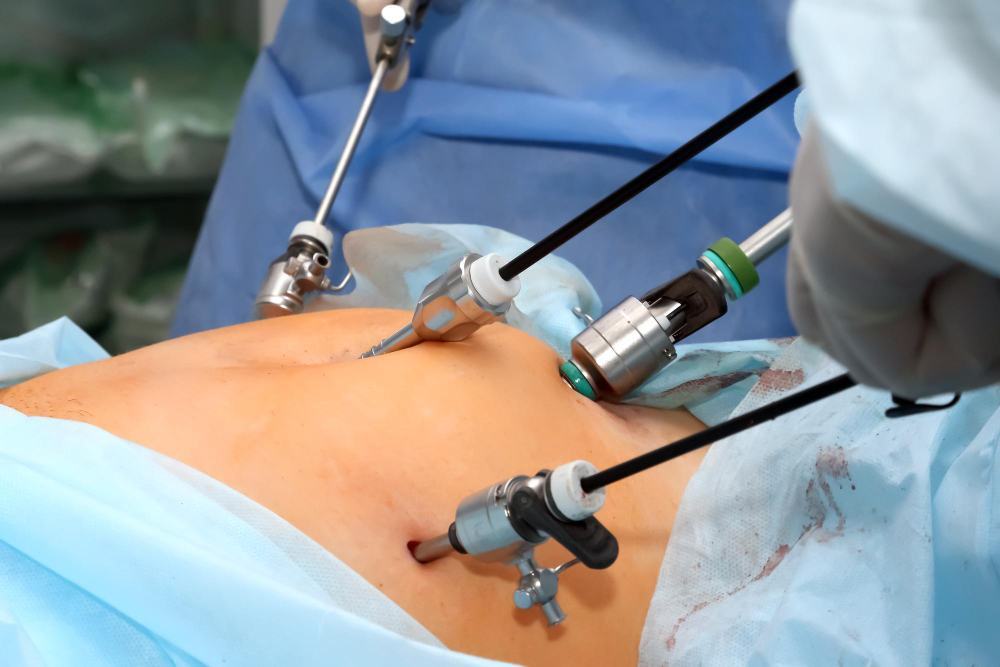 Before we talk about laparoscopic appendectomy surgery, we first need to know what appendectomy is. In simple terms, appendectomy is a process where an inflamed or infected appendix is removed. For those who are unaware of what an appendix is, it’s a small tube shaped organ which extends from your colon to the lower right side of the abdomen area. Now, should the appendix get inflamed or infected, it can burst at any time. Because of this reason appendectomy is an emergency surgery.
Laparoscopy is essentially any form of surgery that is done by using a laparoscope, which is essentially a tool that allows the experts to see what is inside the body. By using this tool, the expert can insert small surgical instruments through a small cut. This form of surgery removes the need to make large cuts to perform even the most complicated surgeries.
When these two medical terms associated with surgery are combined, what you get is surgery to remove the appendix through the use of a laparoscope. As with all laparoscopic surgery, laparoscopic appendectomy surgery is a minimally invasive surgery.
Side note: Do note that the appendix doesn’t seem to have any important function, so it is fine to remove it. However, if it is infected or inflamed, it can severely harm the body and can cause unnecessary pain.
Now that we have the definition cleared out of the way, let’s discuss the actual insides of laparoscopic appendectomy. The first agenda that we have to discuss is the laparoscopic appendectomy steps and how this surgery is performed. So, what are the steps? The key laparoscopic appendectomy steps performed include:
Additionally, in some cases, you might need to switch from laparoscopic appendectomy to open-wound appendectomy. This switch is common if you have infections from your appendicitis. The core process is still using sutures and removing your appendix. But before the experts do this, they make one large incision and remove the infected tissue.
Now that you are informed about the laparoscopic appendectomy process, we are also providing details about some of the best doctors in Nepal for the removal of inflamed or infected appendix using laparoscopic method:

Qualification:
Experience:
OPD Time: On-Call
Dr. Ghanashyam Thapa is a highly experienced general and laparoscopic surgeon with more than decades of experience. He holds an MBBS and MD in General Surgery with a specialization and expertise in minimally invasive and laser surgery. Additionally, he also provides the best consultation and treatment for appendectomy ensuring faster recovery and minimal discomfort for patients.

Qualification:
Experience:
OPD Time: Everyday from 4 PM to 6 PM
As a general surgeon and having fellowship in GI minimal-invasive surgery, Dr. Rajiv Nakarmi is among the top laparoscopic surgeons in Nepal with nearly a decade of experience. Dr. Nakarmi provides expert patient-focused care in minimally invasive procedures for the quick recovery process of patients requiring appendix removal.
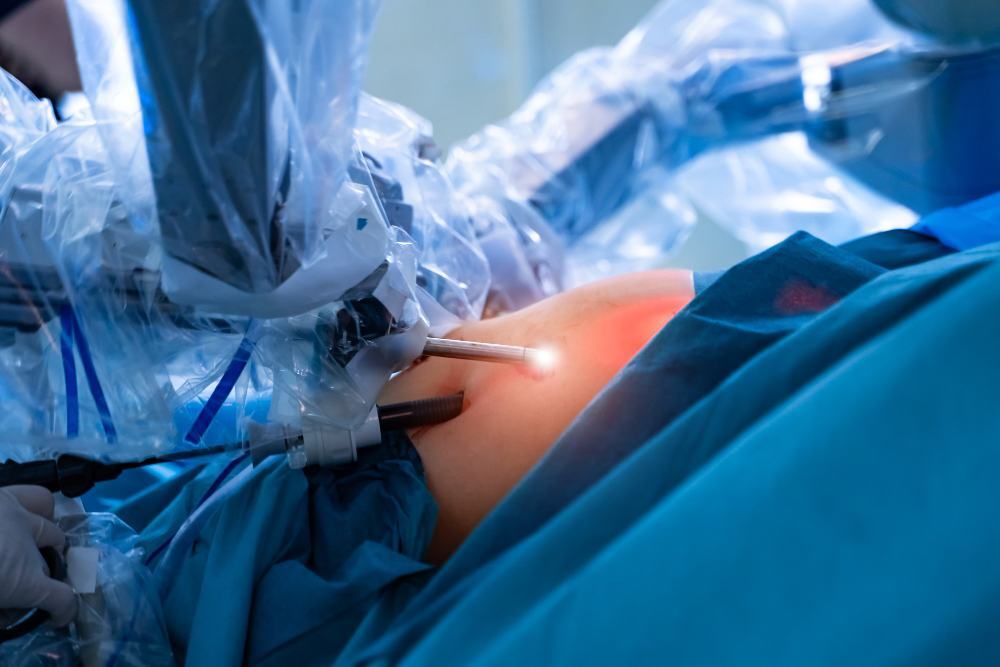 Following the discussion regarding laparoscopic appendectomy steps, lets now discuss laparoscopic appendectomy benefits. The good news here is that you can reap its benefits most of the time because for the most part, appendicitis can be solved with laparoscopic measures. So, what are laparoscopic appendectomy benefits? Some of the key benefits include:
These are just some of the key benefits of the laparoscopic appendectomy. Besides the ones we mentioned here, there are other benefits when compared to open surgery, which you hopefully never get to find out, as appendectomy is a pretty painful process.
Learn More: Best Laparoscopic Surgeon in Nepal: Get Detail
Now, during the treatment process of appendicitis, if you are unlucky, you may come across some complications. While the complications are rather rare for any form of laparoscopic surgery, let alone a safe surgery such as laparoscopic appendectomy, they still do exist. Therefore, you should be well aware of them. Some of the key laparoscopic appendectomy complications that you should be aware of include:
Now, all of these complications can cause severe pain or discomfort and often need additional interventions and procedures to resolve them. However the issues with this procedure are not just limited to complications either. You may also face some laparoscopic appendectomy side effects after the procedure. Some of the common side effects include:
Now, do note that while these side effects are rather common, they are mildly uncomfortable or mildly painful at worst. For the most part, they are just mildly discomforting. While laparoscopic appendectomy complications are rare but relatively hard to fix, side effects are relatively easy to manage. Some of the most common ways on how you can manage the side effects include:
As a side note, it is important to follow the advice of the experts while managing the side effects. Mistakes on this part can cause complications, which, as we mentioned earlier, are hard to deal with.
Well, by this point, we have covered just about everything we need to cover regarding laparoscopic appendectomy. While we do admit that this content is rather brief when compared to other overviews, let’s admit it: laparoscopic appendectomy is a relatively simple procedure without much to it. But before we head to the last topic of our blog, let’s cover what you should expect after the laparoscopic appendectomy procedure. The key things you can expect post-laparoscopic appendectomy include:
These are just about all of the major things you can expect after the laparoscopic appendectomy surgery. To be frank, there are not many restrictions after the surgery and you can pretty much go back to your normal routine following a month or a month and a half of this procedure.
 Now, at this point, you already have a general gist regarding what this procedure is, how it’s done, and what you should expect. The final question we want to answer is where you should do it. The best place to go for a laparoscopic appendectomy depends on the specifics of your needs, but if you really want the best, then Venus Hospital is there for you. Some of the key reasons why Venus Hospital is one of the best include:
Choosing Venus Hospital for laparoscopic appendectomy ensures access to expert medical care, advanced technology, and a patient-focused environment, all at a reasonable cost.
Appendectomy is a condition where your appendix is inflamed or infected. When this occurs, there is a high chance for the appendix to burst, and it causes intense pain. The good news here is that you can easily solve this through laparoscopic appendectomy, which is essentially the process of removing the appendix through laparoscopy. But tt doesn’t matter because the removal of the appendix will not hurt your body at all. Though some risks of complications and some common side effects are related to this surgery, the complications are rare, and side effects are easily manageable.
In this blog, we provide you with the overall gist of laparoscopic appendectomy. We hope you found this helpful. If you seek further insights on various other aspects of health, do check out some of our other blogs. And if you want the best laparoscopic appendectomy in Nepal, look no further than Venus Hospital, the best hospital in Nepal. Thank you for reading till the end.
Other Related Blogs:
The laparoscopic appendectomy involves three small cuts in the abdomen. Typically, one is around the belly button, through which the camera is inserted and helps the surgeon with visualization. The other two incisions are to admit surgical instruments that remove the appendix. This allows the surgeon to conduct the procedure very accurately while causing minimal damage to tissue, hence faster recovery with less postoperative pain.
Following a laparoscopic appendectomy, the pain is usually minimal because small incisions are made. Most people can return to their usual activities in one to two weeks. Many times, the patient stays in the hospital for a day or less. Nausea and vomiting may occur after surgery; this is usually relieved if the patient sips clear liquids. The patient is encouraged to walk as tolerated to help the healing process.
An appendectomy is a surgical procedure in which the appendix, a small, tube-like organ attached to the large intestine, is removed. The appendix is located in the lower right abdomen and has no essential function in the human body. Removal of the appendix is necessary when it becomes inflamed or infected, a condition known as appendicitis.
An appendectomy is performed under general anaesthesia. In the laparoscopic method, three small incisions are made in the abdomen. A camera is inserted through one incision to visualize the appendix, while surgical instruments are introduced through the other two to remove it. The procedure typically lasts about an hour, and patients are usually discharged within 24 to 36 hours.
While laparoscopic appendectomy is associated with a lower risk of wound infection compared to open surgery, infections can still occur. Management involves keeping the incision site clean and dry, monitoring for signs of infection such as redness, swelling, or discharge, and seeking medical attention if these symptoms arise. Treatment may include the use of antibiotics and, in some cases, drainage of any abscess that forms.
After a laparoscopic appendectomy, it’s advisable to start with clear liquids and gradually progress to solid foods as tolerated. Incorporating fibre-rich foods like fruits, vegetables, and whole grains can help prevent constipation, a common issue post-surgery. It’s also important to stay hydrated and avoid foods that may cause discomfort, such as those high in fat or spice.