24*7 365 days
24*7 365 days
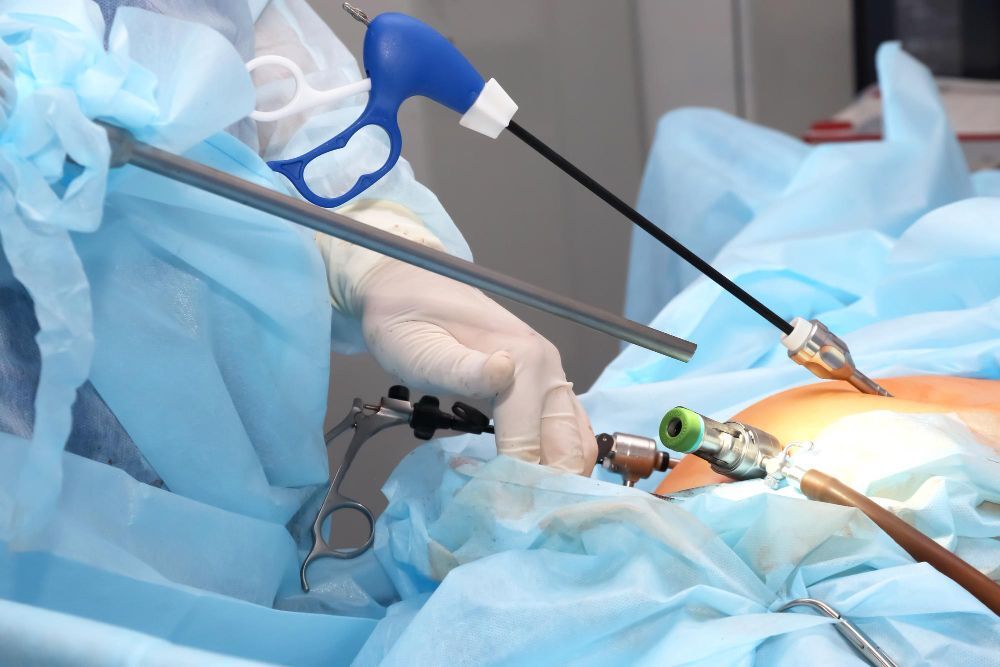
Laparoscopic hernia is a minimally invasive surgery that has revolutionised hernia repair procedures. In Nepal, this advanced surgical option is becoming increasingly popular as it enables quick recovery and less discomfort compared to other forms of hernia surgery. For those wondering, hernia surgery is, as its name suggests, a surgery performed to repair a hernia, which is a condition where an internal organ or tissue bulges through a weak spot in the abdominal wall or surrounding muscle. The goal of this surgery is to correct this bulge and relieve symptoms. The question here is, what is laparoscopic hernia surgery?
In this article, we discuss what laparoscopic hernia surgery in Nepal is, along with who needs this surgery and its procedures. So, with this in mind, let’s get started!
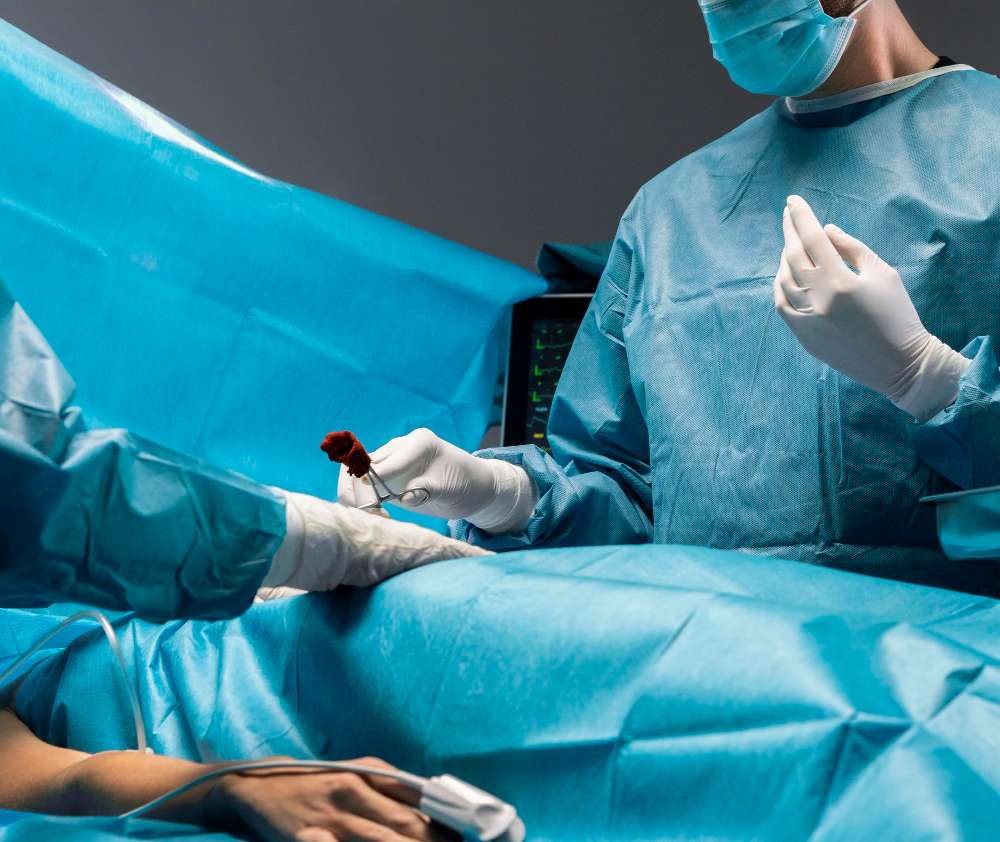
As its name suggests, the laparoscopic hernia is a minimally invasive surgical technique used to repair a hernia. This surgery involves using small incisions and specialised instruments to access and repair the hernia without making a large open incision. The instruments used include a laparoscope as well, hence the name of this surgery. As with all forms of laparoscopic surgery, this method is known for its low pain, faster recovery, and shorter hospital stay compared to open surgeries. Additionally, laparoscopic hernia surgery often results in less scarring and a reduced risk of postoperative complications. This advanced technique allows patients to resume their daily activities more quickly, improving their overall quality of life.
Depending on the specifics of your condition, the specifics of the process can vary. However, in general, the process of laparoscopic hernia surgery in Nepal is as follows:
During this phase of the surgery, you meet with the surgeon and discuss the procedure, along with your medical history and any potential risks. You also take necessary tests such as blood tests, imaging studies, and other diagnostic tests. Additionally, the expert may also provide you with instructions on fasting, medications, and pre-surgery preparation, such as stopping certain medications and arranging for transportation home. Then, you sign a consent form acknowledging and understanding the procedure and its risks.
After you complete the pre-surgery procedures, the next phase is anaesthesia. In this phase, you are administered general anaesthesia. This ensures that you are completely unconscious and do not feel any pain during the procedure. The anaesthesia is typically delivered through the intravenous (IV) line or ingested through anaesthetic gases. Your vital signs, such as heart rate, blood pressure, and oxygen levels, are closely monitored throughout the surgery to ensure safety.
Once you are anaesthetized, the surgeon makes small incisions in the abdominal wall. The incision is only around 0.5 to 1 cm in length. The number and placement of incisions depend on the specific location and type of hernia being repaired. These small incisions reduce tissue damage and contribute to quicker healing and reduced scarring compared to large, open incisions.
Through the small incisions, the surgeons insert a laparoscope, which is essentially a thin tube equipped with a high-definition camera and light source. The camera transmits real-time video to a monitor, providing the surgeons with a clear and magnified view of the internal structures within the body. Along with this device, the experts also insert other specialised surgical instruments that are designed to manipulate tissues, place mesh, and perform necessary repairs.
The inserted laparoscope allows the surgeons to have a detailed and magnified view of the hernia and surrounding organs. This enhanced visualisation allows experts for precise manipulation and accurate placement of the mesh. The video displayed on the monitor helps the surgeon navigate the instruments with precision, ensuring the hernia is repaired successfully.
After ensuring the visualisations are working properly, the surgeons carefully push the tissue back into the organ back into its correct position using a laparoscope. Once the tissue is back in place, the surgeon reinforces the weakened area of the abdominal wall with a synthetic mesh or a patch. This mesh provides additional support to the tissue, reducing the risk of recurrence. The mesh is then secured in place with sutures, staples, or surgical glue depending on the surgeon’s preference and specific case.
After the hernia is repaired and the mesh is securely placed, the surgeon removes the laparoscope and other instruments. The small incisions are then closed using staples and adhesive strips. Since the images are small, the closure process is relatively quick and leaves minimal scarring. In some cases, absorbable sutures are used, which do not require removal.
After the surgery is complete, you are moved to the recovery room and are monitored as you wake up from anaesthesia. Then, the doctors can administer pain medications if required and provide detailed instructions on wound care, activity restrictions, and follow-up appointments. Following this, you are encouraged to start walking and light activities shortly after surgery, with a gradual return to normal activities.
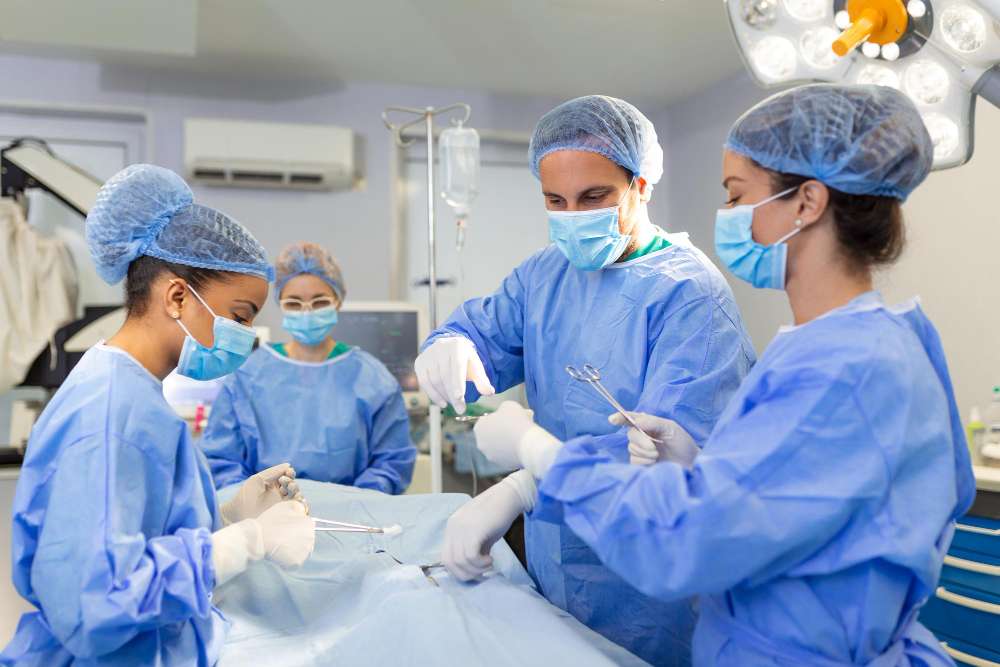
There are many reasons to consider laparoscopic hernia surgery. Some of the key reasons to consider this surgery are as follows:
These are just some of the key reasons to consider laparoscopic hernia surgery. That said, the specific reasons may vary depending on your individual circumstances.

Laparoscopic hernia repair is typically considered for patients with certain characteristics or needs. Some of the key types of individuals who might benefit from this procedure include:
Ultimately, the choice for laparoscopic hernia repair should be made in consultation with a healthcare provider, who can evaluate individual conditions and recommend the most appropriate treatment option.
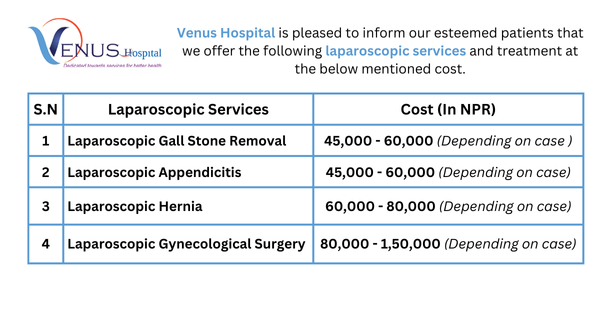
After knowing the overall gist of what laparoscopic hernia surgery is, some of you may have questions regarding its cost. The specific cost of this surgery depends on your circumstances. However, at Venus Hospital, the cost of laparoscopic hernia surgery is between the affordable price range of Npr 60,000 to Npr 80,000. This price range includes standard medical fees and hospital charges but may vary based on your needs and additional services. It’s always a good idea to consult us for a detailed estimate tailored to your specific case. For further details regarding the cost of laparoscopic hernia surgery and other laparoscopic surgeries, please refer to the table below.

Dr. Ghanashyam Thapa is a highly skilled and well-experienced general surgeon having 10 years of experience in surgical care. He obtained an MBBS as well as an MD degree in General Surgery. Dr. Thapa is an expert in carrying out both planned and urgent surgical operations with meticulous attention and skill.
He focuses on areas such as abdominal surgeries, hernia repairs, appendectomies, gallbladder surgeries and many other general interventions. Dr. Thapa is well-known for the patient-centered approach. He has owned many trusts as well as from patients for his dedication towards delivering safe, effective and compassionate surgical care.

Dr. Rajiv Nakarmi is a highly dedicated general surgeon with experience in gastrointestinal surgery and minimally invasive surgeries. He has almost 8 years of experience. He obtained his MBBS degree in 2008 from Xinxiang Medical University in China, and he completed his MS in General Surgery in 2015 from Kathmandu University in Dhulikhel. Dr. Nakarmi has further developed his skills with a fellowship in Gastrointestinal Minimal Invasive Surgery, which has trained him in advanced laparoscopic and keyhole surgery skills.
Some of his specialties are gallbladder surgery, appendectomy, hernia repair, and treatment of gastrointestinal diseases with newer and less invasive techniques. He is highly acclaimed for his precision, compassionate care and commitment to safety.
You can consult him at our OPD every day from 4 PM to 6 PM. For appointment booking, please contact our hospital directly.
Laparoscopic Hernia is a surgical procedure that treats a hernia, an organ where an internal organ or tissue bulges through a weak spot in the abdominal wall or surrounding muscle. The process of laparoscopic hernia surgery includes anaesthesia, incisions, insertion of instruments, visualisations, repair, closure, post-surgery procedures, along with post and pre-surgery procedures. There are many reasons to consider this surgery, some of which include reduced pain, faster recovery, smaller scars, lower risk of infections, and better cosmetic outcomes. Therefore, if you are someone who prefers less postoperative discomfort, requires reduced needs of pain medication, and minimises impact on surrounding tissue, the laparoscopic hernia is one of the best options for you.
In this blog, we discussed procedures for laparoscopic hernia surgery along with reasons to consider this surgery, and people who need this surgery. We hope you found this helpful. If you seek further insights into the world of surgeries do check out some of our other blogs.
And if you want the best laparoscopic hernia surgery in Nepal, look no further than Venus Hospital. Thank you for reading till the end.
Laparoscopic hernia surgery is a minimally invasive surgical technique used to repair hernias. It involves making small incisions and using specialised instruments, including a laparoscope (a thin tube with a camera), to access and repair the hernia without creating a large open incision. This method offers benefits such as less pain, faster recovery, and reduced scarring compared to traditional open surgeries.
While the specific cost of laparoscopic hernia surgery depends on many factors, at Venus Hospital, you can get this surgery at a price between Npr 60,000 to Npr 80,000.
Laparoscopic hernia surgery uses small incisions and specialised instruments, while open surgery involves a larger incision. The laparoscopic approach typically results in less postoperative pain, faster recovery times, smaller scars, and a lower risk of infection. It also allows for better visualisation of the surgical area, potentially leading to more precise repairs.
The procedure involves several steps: pre-surgery preparations, administering general anaesthesia, making small incisions, inserting the laparoscope and other instruments, visualising the hernia, repairing the hernia by pushing the tissue back and reinforcing with mesh, closing the incisions, and post-surgery care and monitoring.
The main benefits include the following:
Recovery time can vary, but patients generally experience a quicker recovery compared to open surgery. Many patients can return home the same day or after a short hospital stay. Light activities can often be resumed shortly after surgery, with a gradual return to normal activities. Full recovery typically occurs within a few weeks, though this can vary based on individual factors.
The surgeon uses specialised instruments to carefully push the protruding tissue back into its correct position. Then, a synthetic mesh or patch is placed to reinforce the weakened area of the abdominal wall. This mesh is secured in place using sutures, staples, or surgical glue, depending on the specific case and surgeon’s preference.
Laparoscopic hernia surgery typically results in less pain compared to open surgery due to the smaller incisions. While some discomfort is expected, it’s usually manageable with pain medication. Many patients report less overall pain and a quicker return to comfort compared to traditional surgical methods.
The duration of the surgery can vary depending on the complexity of the hernia and whether it’s a single or bilateral repair. Typically, a laparoscopic hernia repair takes between 45 minutes to 2 hours. Your surgeon can provide a more accurate estimate based on your specific case.