24*7 365 days
24*7 365 days
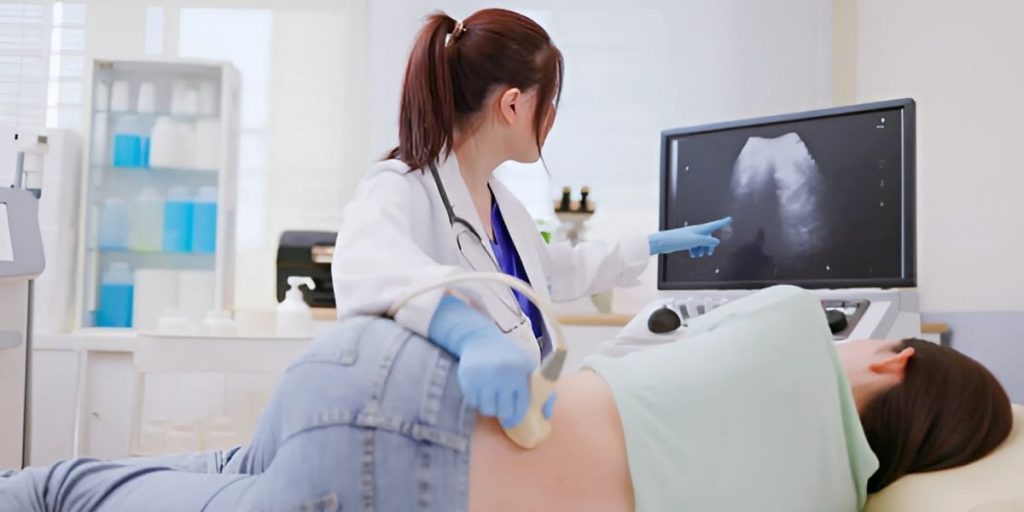
Over the past few years, Nepal has taken giant steps in the realm of urology, and the introduction of superior laser technology has revolutionised the manner in which a number of urological disorders are diagnosed and treated. The once painful surgeries and lengthy recovery time have changed to quicker, safer, and more accurate solutions. Whether it is kidney stones and enlargement of the prostate, kidney stones requiring RIRS surgery, or bladder and urinary tract issues, laser-assisted treatments provide a new ray of hope with minimum pain and recovery time.
Modern urology departments and qualified specialists in cities like Kathmandu and Pokhara have made laser urology surgery in Nepal more accessible than ever. This has increased the number of patients who are seeking urological services in Nepal since they can find the services to be reliable and affordable without travelling to foreign countries. It does not matter whether you are thinking about laser urology surgery or you are seeking treatment options; the latest in urology can make a difference in your decision and enable you to receive the care you deserve, right here at home.
 Urology surgery, also known as urosurgery, is a type of surgery that is applied to cure urinary system and male reproductive organs issues. These are the kidneys, ureters (tubes that carry urine out of the kidneys to the bladder), bladder, urethra (tube that carries urine out of the body), and the prostate gland in men. Urosurgery would be required when the condition is so severe that it cannot be cured by medicine alone. As an example, when one has large kidney stones that cannot come out easily or when one has a swollen prostate that makes one find it hard to urinate, surgery might be the most appropriate thing to do.
In the past, such surgeries involved open incisions, but now, with the rise of laser urology surgery, most procedures are minimally invasive. However, in modern times, due to laser technology, most of the urological surgeries are minimally invasive, i.e., they are performed through smaller incisions, with less pain, quick recovery, and fewer risks.
Laser urology surgery uses highly focused beams of light to treat various conditions in the urinary tract. Unlike traditional surgery, which often involves significant cuts (incisions) or mechanical tools, laser procedures are minimally invasive and highly precise. Instead of using scalpels, doctors use a laser beam to cut, remove, or break down unwanted tissue or stones. For example, in kidney stone treatment, the laser breaks stones into tiny fragments, allowing them to pass naturally through urine. In prostate surgery, the laser can shrink or remove excess tissue that blocks urine flow without damaging healthy parts nearby.
Laser urology surgery causes less bleeding, a lower risk of infection, and faster recovery. Most procedures can be done without overnight hospital stays, and patients often return to their regular routine within a few days.
In short, laser treatment offers a safer, quicker, and more comfortable option for many common urological problems, making it a breakthrough in modern urology care.

Various urological issues are currently treated safely and effectively using laser urology surgery. Laser urology surgery can be used to treat conditions such as prostate enlargement (BPH), kidney and ureteric stones, urethral strictures, and early-stage tumours.
Laser urology surgery are less painful, recovery is faster, and they have fewer complications compared to conventional surgery. We discuss below the use of laser technology in treating each of these conditions.
Prostate enlargement is common in men over 50. Laser techniques like HoLEP (Holmium Laser Enucleation of the Prostate) and GreenLight laser therapy are used to remove excess prostate tissue.
The side effects of prostate laser urology surgery are minimal, and they can involve temporary burning, urgency, or slight bleeding. The majority of patients feel much better after undergoing a prostate laser urology surgery and recovery at home for several days or a week.
Laser lithotripsy involves shattering stones in the kidney or the ureter into small fragments to enable them to pass. It is a secure, fast process that does not require any incisions and is effective even with difficult or big stones.
Urethral strictures are small constrictions that obstruct the urine. In laser urethrotomy, a laser is used to open the blockage quickly and safely. It is performed in local or general anesthesia, and it enables patients to recover quicker than in normal surgery.
Tumors in the ureter or bladder at an early stage are treated through laser ablation. It can selectively kill cancerous tissue without causing major surgery. It is a safe procedure, less invasive, and has good long-term outcomes.
At Venus Hospital, we offer advanced lasers for treatments of various urological conditions, including kidney stones, enlarged prostate, urethral strictures, and early tumors. Our highly trained urologists make use of advanced laser technology for treatments that are accurate, safe, and least invasive, with rapid recovery times. For professional urological treatments in Nepal, consider Venus Hospital to walk you through each step of your journey.
If you’re looking for safe and effective laser urology surgery in Nepal, Venus Hospital is one of the leading choices. Located in the heart of Kathmandu, our hospital is equipped with advanced laser technology and a dedicated team of experienced urologists. We specialize in minimally invasive laser treatments for kidney stones, prostate enlargement, urethral strictures, and more. Our goal is to provide patients with faster recovery, minimal pain, and excellent results. With personalized care and world-class facilities, Venus Hospital continues to be a trusted center for high-quality urological care in Nepal.
 Dr. Basanta Baral is a very experienced and trusted urologist in Nepal. He possesses many years of experience in the diagnosis and treatment of a variety of urological diseases with the most advanced and minimally invasive methods. Dr. Baral is an expert in laser prostate and kidney surgery, especially HoLEP (Holmium Laser Enucleation of the Prostate) and endoscopic surgery. He is a patient-centered practitioner and surgeon with a track record of ensuring that patients recover more quickly with reduced pain and complications. Dr. Baral is the head of the urology department at Venus Hospital, which provides safe and modern treatment to individuals in Nepal.
 Dr. Sunil Shrestha is a very experienced urologist having more than 15 years of experience in urology. He has an MBBS degree from Tver State Medical Academy, Russia (1998) and an MS degree in Neurosurgery from Zhengzhou University, China (2009). Dr. Shrestha is known to be accurate in complicated surgical procedures, and he performs laser lithotripsy in kidney stones and laser ablation of urologic tumors. His expertise in the application of advanced laser procedures has enabled him to save the lives of hundreds of patients who would have undergone open surgery and take a longer time to recover with more complications.
Dr. Shrestha is currently available on-call at Venus Hospital, where he continues to deliver expert care in both diagnostic and surgical urology.
Laser urology surgery has brought a new era of treating urinary and prostate disorders in Nepal. No matter what your problem is, kidney stones, BPH, or urethral stricture, laser-based interventions are safer, faster, and less painful. The urologists are highly qualified, and the hospital facilities in Kathmandu are state-of-the-art, and patients can now have the best care in their own country.
If you are planning to get laser urology surgery or require professional care for a urological condition. You can contact the skilled professionals of Venus Hospital, which is one of the most reputable urology centers in Kathmandu. Our laser technology is advanced, safe, and effective, so you can get back to your everyday life and recover faster.
Laser urology is applied in the treatment of prostate enlargement (BPH), kidney and ureteric stones, bladder tumors, and urethral strictures. It enables more accurate, minimally invasive surgery with less bleeding and fewer chances of complications. This has the effect of making the patients recover more quickly and spend less time in the hospital.
Yes, laser prostate therapy is safe and effective, especially in treating such diseases as benign prostatic hyperplasia (BPH). It has benefits such as less bleeding, quicker recovery, and shorter stay in the hospital. Most of the side effects are mild and not permanent but they disappear after some few days.
Urinary tract Laser treatment is used to treat a variety of conditions of the urinary tract, such as kidney or ureteric stones (laser lithotripsy), urethral strictures (laser urethrotomy), and bladder or ureteral tumors (laser ablation). Such operations are less invasive, have shorter recovery times, and have less chance of complications than conventional surgery.
Laser therapy of urinary blockage involves the removal or incision of obstructive tissue in an enlarged prostate or strictures to allow normal urine flow. It is less invasive leading to less bleeding and quick recovery.
Laser treatment is preferable to traditional surgery as it is less invasive with less bleeding and pain. It recovers quicker, has a reduced chance of infection, and frequently does not necessitate hospitalization. This renders it safer and more comfortable for many patients.