24*7 365 days
24*7 365 days
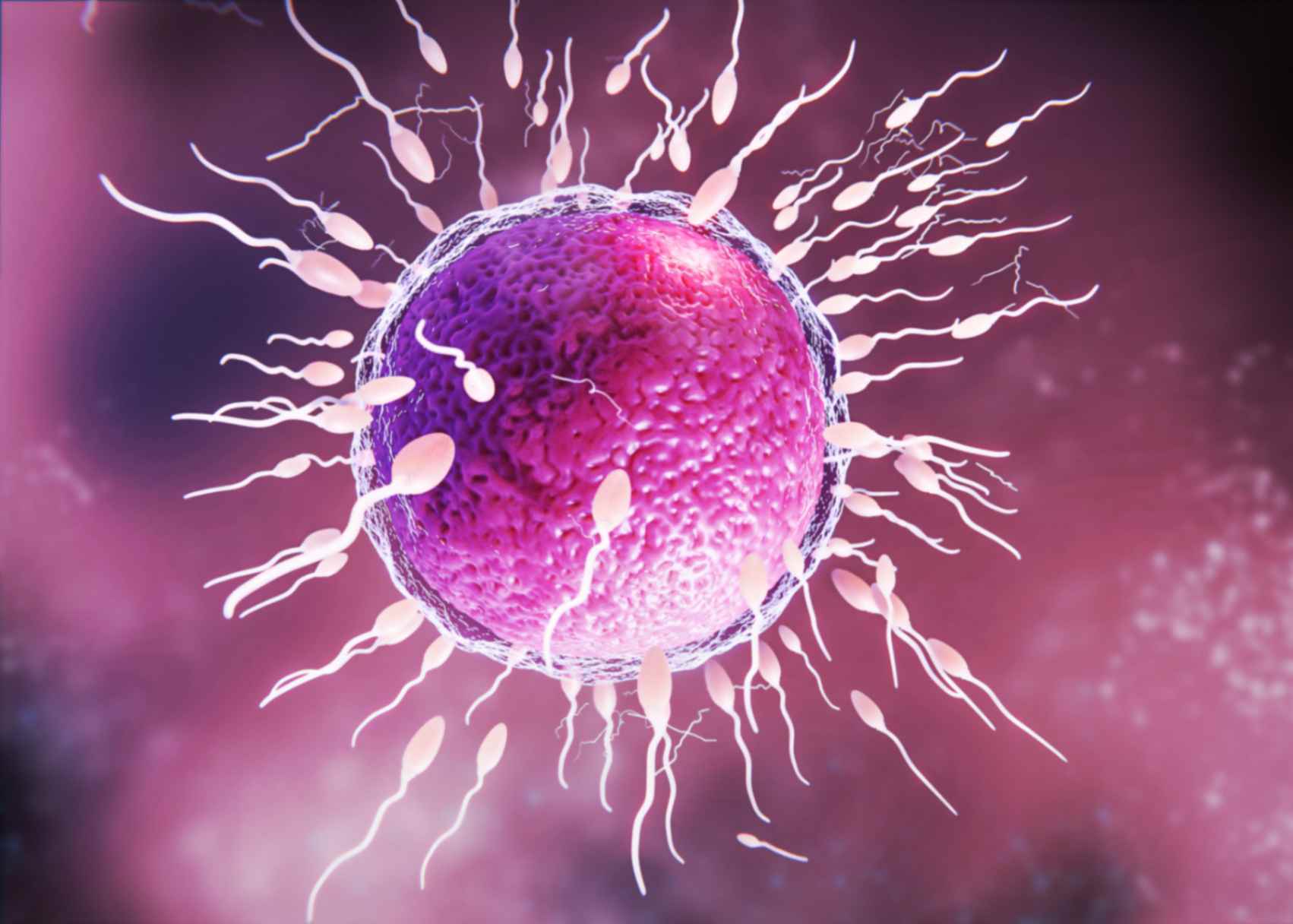
In vitro fertilization (IVF) is one of the key assisted reproductive techniques (ART) that helps couples get pregnant when it becomes difficult for them to get it naturally. One of the most important factors that influences IVF success is the quality of women’s eggs. Women having healthy oocytes can enhance the outcomes of fertilization, embryo development, and implantation. If the woman has defective egg quality, then it can significantly reduce the chance of a successful pregnancy. Recognizing the signs of bad egg quality early can help the woman improve her oocyte quality and increase the success of IVF.
In this blog, we provide information about what bad egg quality is, its causes, lifestyle factors, treatment options and tips. Along with it, we also give insight regarding signs of bad egg quality, and who to consult for bad egg quality.
Bad egg quality refers to a condition in which an egg has a reduced potential to be fertilized, develop, or lead to a successful pregnancy. Egg quality is one of the critical factors in IVF success because it directly affects fertilization and embryo development. The defective egg quality can be caused by factors such as age-related changes, chromosomal and genetic integrity, cytoplasmic health, morphological features, and response to ovarian stimulation. It can increase the risk of miscarriage, genetic abnormalities, and lower the chances of a woman having a successful pregnancy. Additionally, the poor egg quality can also make it harder for the eggs to grow into a healthy embryo.
Several causes can lead to poor egg quality in younger women. These causes may give rise to hormonal imbalances, miscarriage of babies and irregular menstrual cycles. Even a young woman who has defective egg quality can suffer from these problems. Some of the causes of defective egg quality in younger women are as follows:
Egg quality cannot be measured directly. It involves various medical tests to check the quality. The doctors observe hormone levels, ovarian reserve, and response to stimulation during fertility treatments to evaluate egg quality. Here are some of the common ways to check the egg quality in females:
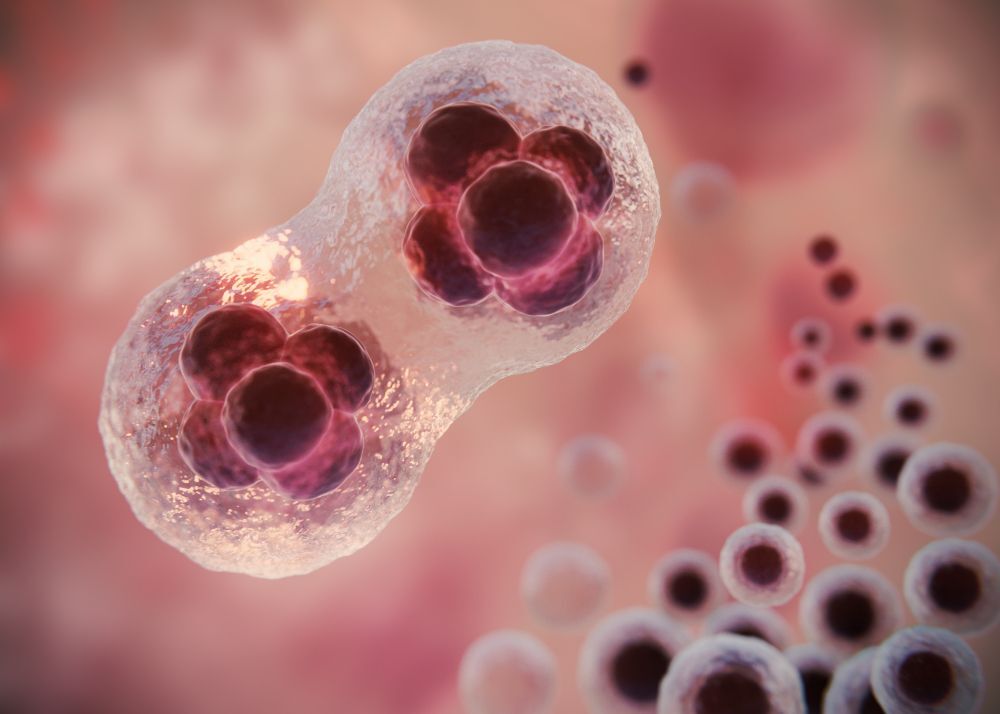 If you have a defective egg quality, it starts to show signs/symptoms. After noticing the signs of bad egg quality, it is important to consult with experienced doctors immediately. If you delay consulting with doctors, egg quality can degrade, which can lead to an unsuccessful pregnancy. After reading these, the questions may arise, “What are the signs of bad egg quality?” The signs of bad egg quality are listed below:
Once you notice the signs of bad egg quality, you should adopt the lifestyles that can improve your oocyte quality. Additionally, prioritizing lifestyle factors can enhance reproductive health, improve egg quality, and increase the chances of a successful pregnancy. Some of the factors that can affect egg quality are as follows:
There are several poor egg quality treatment options for improving fertility. Each of the treatment options ensures that they enhance egg quality, support embryo development and increase the likelihood of IVF success. Some of the best poor egg quality treatment options are listed below:
After noticing signs of bad egg quality, it is essential to use effective tips to support and improve egg health. By adopting a healthy lifestyle, managing stress and regularly performing exercise can enhance the possibility of a successful pregnancy. In addition to these, some of the tips to improve the defective egg quality are as follows:
If you notice signs of bad egg quality, it is necessary to consult with an experienced IVF doctor. These doctors can help you show signs of good egg quality. At Venus Hospital, you can find many IVF doctors. One of the IVF specialists who can cure your defective egg quality is Dr. Anupama Gurung (Suwal).
Dr. Anupama Gurung (Suwal)

Dr. Suwal is a skilled and experienced doctor at Venus Hospital, specializing in reproductive health, individualized fertility therapies, and improving egg quality through proper care. Along with this, Dr. Suwal also provides full care for her patients by counseling them through every step of conception. With dedication to patients and a successful fertility treatment, she is one of the most trusted doctors for women dealing with egg quality.
Defective egg quality is presented through the signs such as difficulty conceiving, poor embryo development, repeated IVF failure, or miscarriage. Recognizing these indicators in the early phase is important. Identifying the signs of bad egg quality may provide the required medical remedy and guidance for planning effective procedures. Adopting a healthy lifestyle, proper medical assessment, and personalized fertility care can increase the chances of achieving successful IVF outcomes despite challenges with egg quality. Recognizing the signs of good egg quality, along with the signs, can help in maintaining reproductive health.
In this blog, we provided the information about what bad egg quality is, its causes, lifestyle factors, treatment options and tips. Along with it, we have also given insight regarding signs of bad egg quality, and who to consult for bad egg quality. For further information regarding IVF, feel free to check out some other blogs. Moreover, if you are in search of a fertility specialist who can improve your poor egg quality, contact Venus Hospital – one of the best IVF centers in Nepal and also recognized as the best hospital in Kathmandu.
Related IVF & Fertility Blogs:
IVF Medications: Explore how different drugs help improve fertility outcomes.
IVF Protocols for Women With Low Ovarian Reserve: Discover customized treatment approaches.
IUI vs IVF: Understand which fertility procedure is right for you.
Diet Tips to Boost IVF Success: Learn how nutrition supports egg and embryo health.
Yes, it is possible to improve the poor quality of eggs. It depends on the cause. Lifestyle modifications, healthy eating, and proper supplementation can help improve egg quality. Additionally, treating the underlying medical conditions can also further increase the outcomes.
There are many symptoms of defective egg quality. Some of them are listed below:
There are various factors that can destroy the egg quality in women. Some of the factors include:
Yes, it is possible to get pregnant with defective egg quality. When egg quality is reduced, ovulation can still occur and release healthy eggs. However, the conception may take longer, and there is a higher risk of miscarriage or failed implantation. Many women who have poor egg quality have become pregnant, though it depends on the age, overall health and the severity of the egg quality issue.