24*7 365 days
24*7 365 days
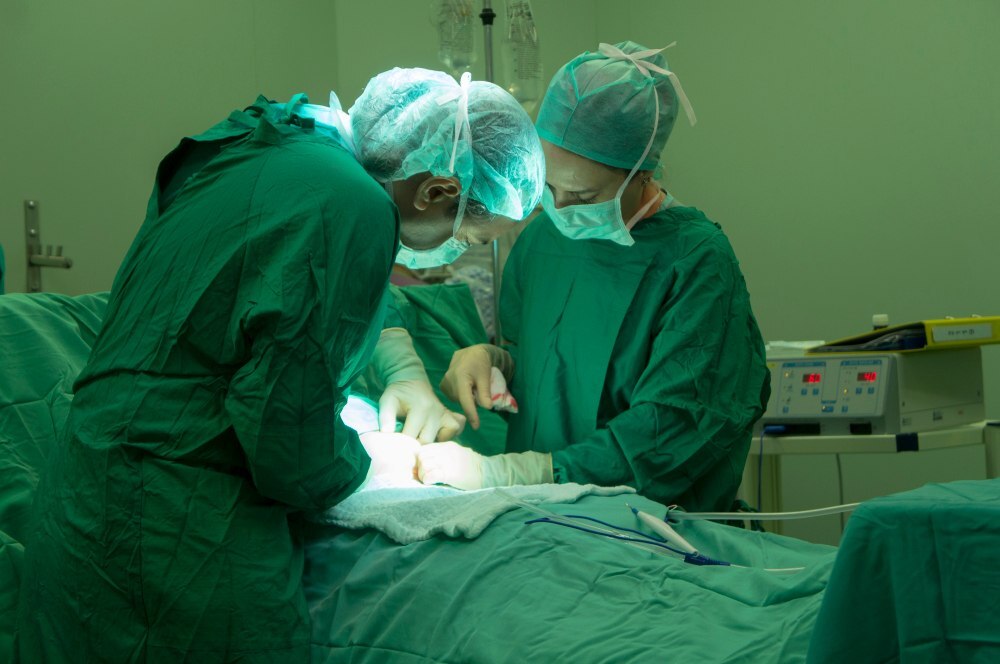
Are you struggling with kidney stones and looking for a safe, effective, and less painful treatment? RIRS Urology, or Retrograde Intrarenal Surgery, can be the solution you need. This modern, minimally invasive procedure uses advanced laser technology to treat kidney stones without any cuts or stitches. It offers faster recovery, fewer complications, and excellent success rates even for larger or hard-to-reach stones.
At Venus Hospital, our skilled urologists perform RIRS Urology using the latest equipment and under the best possible conditions. Whether you are dealing with chronic stones or a more effective alternative to the conventional surgeries, this blog will take you through all that you need to know about RIRS Urology, its working mechanism, when it is prescribed, and why Venus is one of the best options for RIRS Urology in Nepal. So, what is this advanced treatment and how can it help you to feel relief and peace of mind? Let us have a closer look.
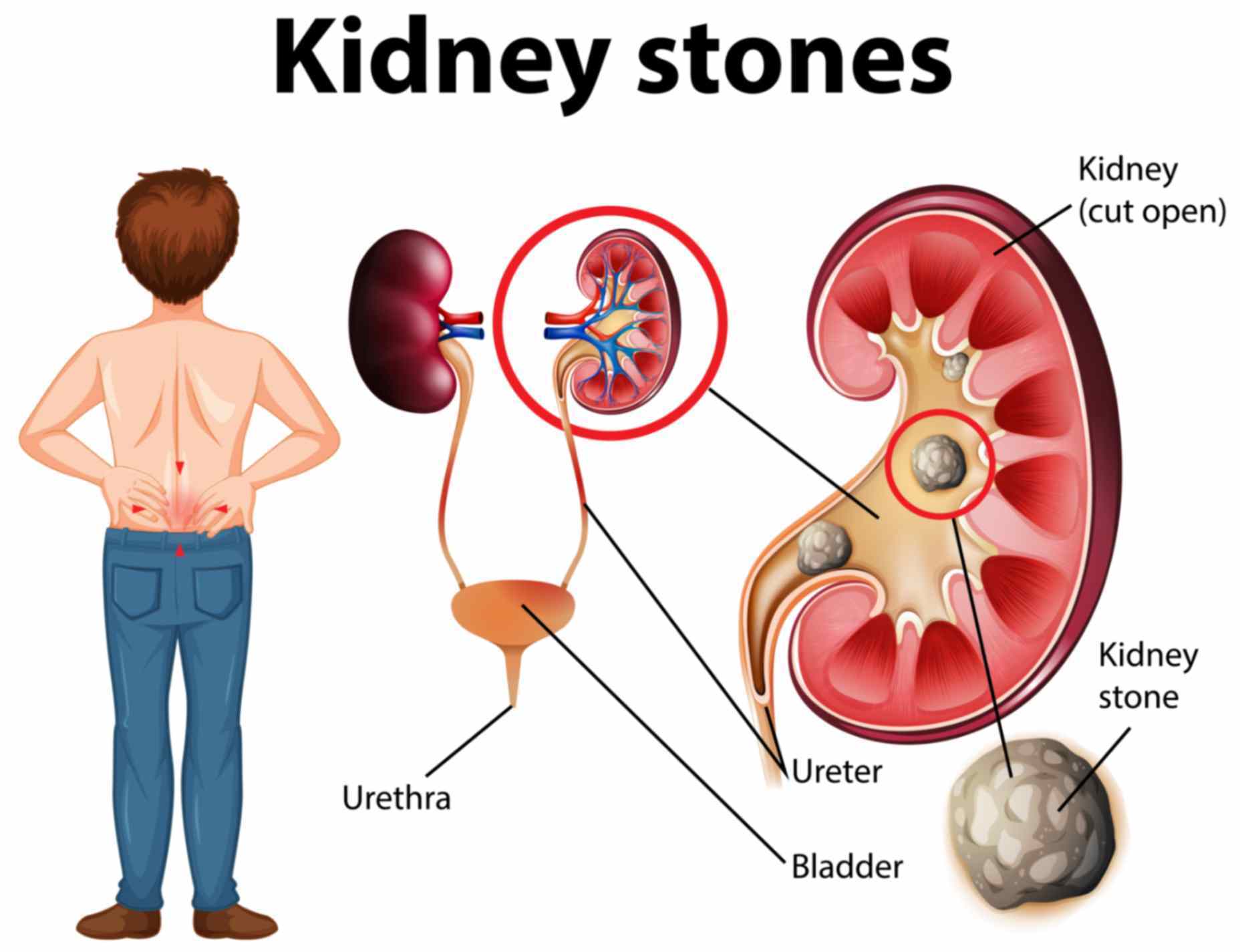
RIRS Urology is a modern and minimally invasive procedure used to treat kidney stones. Instead of making any cuts or stitches, the doctor reaches the kidney by passing a thin, flexible tube called a ureteroscope through the urethra, bladder, and ureter.
Once the stone is found inside the kidney, a special laser is used to break it into very small pieces. These pieces may be either removed or naturally passed through urine. It is done with general, local, or spinal anesthesia and is performed by a trained urologist. RIRS is particularly useful in the removal of large, complex, or difficult-to-reach stones that other methods, such as shockwave lithotripsy (ESWL), cannot handle. It is also quicker to recover because it does not require any incisions, and the chances of complications are minimal.
RIRS Urology is an effective and safe option for people who want to remove kidney stones without undergoing open surgery. Because it is less invasive and uses advanced laser technology, it is especially helpful for certain types of patients and stone conditions. It is commonly recommended in the following cases:
RIRS Urology is safe, effective, and offers a quicker recovery for the right patients.
Before your RIRS Urology procedure, your doctor will request tests such as an ultrasound, X-ray, CT scan, blood, and urine tests to determine the size and location of the stone. Before the surgery, you will also be required to fast for around 6 hours. This is the way the process typically works:
The procedure is safe, and most patients go home the same or the next day.
It is essential to prepare well to undergo an RIRS Urology procedure and recover quickly. Taking the recommendations of your doctor to heart can minimize the risks and make the treatment more efficient. These are some of the key points to prepare you before your RIRS laser procedure:
These steps may minimize risks and enable you to recover more quickly.
The recovery process of RIRS is usually quick, and it should be taken care of properly in order to prevent inconvenience. These are easy tricks that will make you recover without trouble:
These steps can help you recover quicker and lower the chances of infection or complications following your RIRS procedure.
Also Read: Best Hospital For Kidney Stone Treatment In Nepal
If you are looking for safe and advanced treatment for kidney stones, Venus Hospital offers some of the best care in Nepal. Our expert urologists use the latest laser techniques like RIRS to remove stones with minimal pain, no cuts, and faster recovery. You’ll receive personalised care from experienced doctors who specialise in treating kidney stones effectively.

Speciality: Urology
NMC No: 8232
Qualification: MBBS, MS (Urology)
Dr. Bashant Baral is a Senior Consultant Urologist at Venus Hospital and one of the best doctors in Nepal in the field of laser treatment of kidney stones. He is an expert in advanced procedures such as RIRS, URS and PCNL that enable safe and effective stone removal without a major operation. Dr. Baral is also famous in his patient friendly style, as he emphasizes comfort, effective communication, and quick healing. Having many years of experience in the field of endourology, he makes sure that all patients are provided with high-quality, individual care on the basis of the latest medical technology.

Speciality: Urology
Qualification: MBBS, MS (Urosurgery)
Experience: More than 15 years Experience
Passed Out University: MS (Urosurgery), Zhengzhou University, Zhengzhou, PR China, 2009 | MBBS, Tver State Medical Academy, Tver, Russia, 1998
Dr. Sunil Shrestha is a highly experienced urologist at Venus Hospital, known for his expertise in minimally invasive treatments for kidney and ureteric stones. With over 10 years of experience, he has helped countless patients get relief from painful stones using advanced techniques like RIRS. Dr. Shrestha focuses on safe procedures, quicker recovery, and minimal discomfort for his patients. His caring approach and strong medical skills make him a trusted choice for those seeking effective and modern urology care in Nepal.
Recommended Blog: Best Laser Surgery For Piles, Fissures, And Fistula In Nepal
Venus Hospital has become a brand name in Nepal in treating advanced kidney stones, particularly through RIRS Urology. The hospital also features the most advanced laser and flexible ureteroscopy technology, whereby the removal of kidney stones is performed safely and without incisions or suture. This contemporary method guarantees little pain, quick healing and reduced complications. The distinguishing feature of Venus Hospital is that it has a group of highly qualified urologists that practice minimally invasive treatments. The success rate is high and with years of experience, patients are offered the best care depending on their condition. Another advantage is that the hospital has transparent and low prices, which makes the patients aware of what to expect.
Other than advanced treatment, Venus Hospital offers clean and comfortable ambiance, 24-hour post-surgery support and care. The hospital takes care of you throughout the stages of diagnosis and recovery.
PCNL (Percutaneous Nephrolithotomy) is a surgery in which big kidney stones are taken out with a small incision in the back. RIRS Urology is less invasive and applies a thin scope through the natural urinary tract to crush stones with a laser no cuts required.
RIRS tends to be more suitable in the treatment of kidney stones, particularly those that are located in inaccessible regions. Stones in the ureter can be better treated with URS (Ureteroscopy). The size and location of the stone will determine the best option that your doctor will adopt.
RIRS is done under either general or spinal anaesthesia. The type of anaesthesia depends on your overall health and what your doctor thinks is safest for you.
When the stone is causing pain, fails to pass out, or results in frequent urinary tract infections, removal of the stone is required. It is also necessary in case the stone leads to swelling in the kidney (hydronephrosis), blood in the urine or when medicines and other therapies fail.