24*7 365 days
24*7 365 days
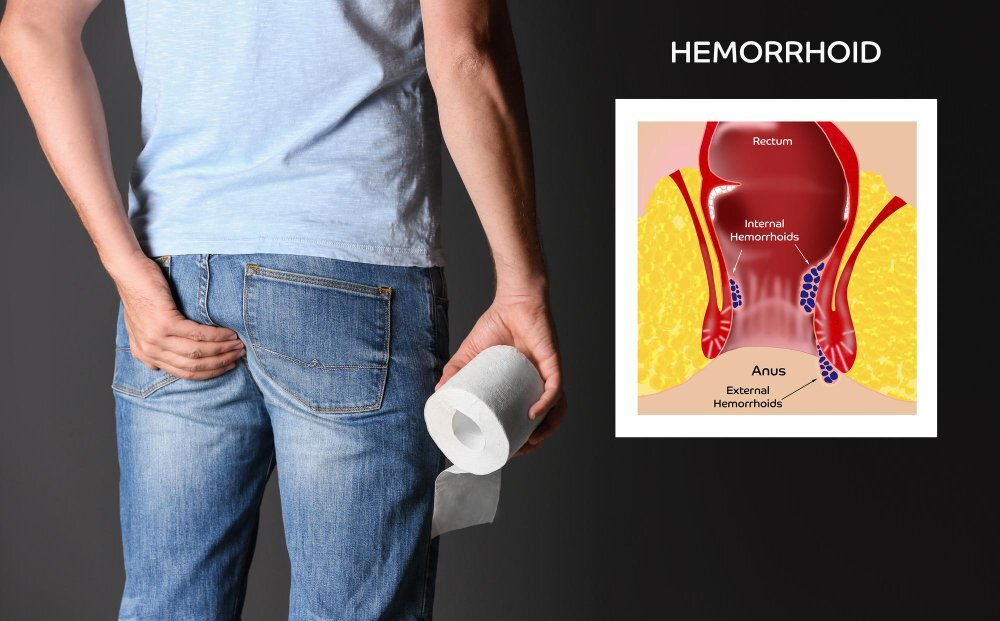
Piles or hemorrhoids are a widely misunderstood health problem in Nepal. They occur because of swelling of the veins in the rectum or anus and result in pain, itching, or even bleeding. Piles are not life-threatening but can affect daily life and overall health after they are left untreated. In Nepal, traditional and modern medicine are present, and they may differ in their complexity, ranging from simply a lifestyle change to complicated operations like laser surgery. The selection of the appropriate piles treatment in Nepal will be based on severity, affordability, and availability of good medical care.
This guide will take you through the fundamentals of what piles are, the early symptoms to look out for, the available piles treatment in Nepal, and where to get the best treatment so you can make an informed choice on behalf of yourself or a loved one.
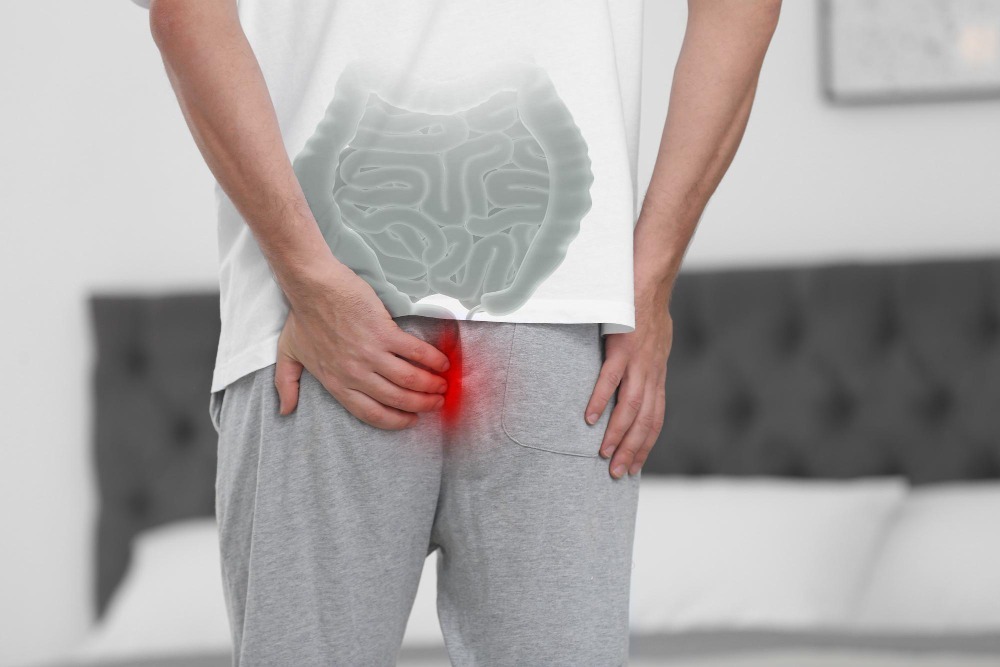 Before we get into the details, it is necessary to know what piles are and why they happen. Piles or hemorrhoids are the inflamed veins of the lower rectum and anus. They can occur due to high pressure in these veins that are normally caused by constipation, straining during bowel movement, pregnancy, or a sedentary lifestyle. Piles are not a rare issue and therefore can be treated with ease. Although it can be a bit painful and uncomfortable, knowing the causes and the first signs can enable you to take measures to avoid their further progression and choose the proper treatment in case of emergency.
Piles (Hemorrhoids) are the inflamed veins in the lower rectum or anus, which may lead to pain, itching, or bleeding. They can either be internal (in the rectum) or external (under the skin around the anus). External piles sometimes form a blood clot, or thrombosed pile, and this is very painful. Piles come in different sizes and severities, but with good care and treatment, they are normally well controlled.
Some lifestyle and health issues may lead to the development of piles. Piles are more likely with low-fibre diets, constipation, sitting a lot, pregnancy, and growing older, as well as a family history of weak blood vessels. Knowing about these risks can prevent or treat the condition early.
These are the brief and clear points of risk factors and causes:
Piles do not necessarily have to be accompanied by evident difficulties, yet there are some indicators of their existence. Itching, pain or discomfort around the anus, lumps, bleeding during bowel movements, mucus discharge or a sense of fullness are common symptoms. Mild ones are likely to resolve on their own; however, when the symptoms persist or are severe, i.e., when it is associated with excessive bleeding or severe pain, or a change in bowel habits, it cannot be ignored. Being aware of these symptoms, you will be able to find piles treatment in Nepal in a timely manner and avoid the further development of the condition.
Piles are initially difficult to detect, but some symptoms can indicate the necessity of treatment. The most common signs are pain, itching, swelling, bleeding, discharge of mucus, or the sense of incomplete emptying of the bowel. Early piles treatment in Nepal can relieve discomfort and prevent complications.
Piles may manifest themselves in various ways, and determining the type of pile you have may help in the treatment. Internal piles grow within the rectum and are painless, although they can lead to bleeding. External piles are developed beneath the skin around the anus and may be itchy or painful. In some cases, a blood clot can develop in an external pile in certain instances, and this leads to a very painful and swollen thrombosed pile. The knowledge of the type of piles assists in selecting appropriate care and treatment in Nepal.
Simple changes in lifestyle and remedies can be used to treat mild piles at home. The symptoms may be reduced by consuming a high-fibre diet, staying hydrated, taking warm sitz baths, avoiding straining, and exercise. It may also be eased with the help of over-the-counter creams and ointments that treat itching and discomfort. Nevertheless, when the symptoms do not disappear, get worse, or involve excessive bleeding or severe pain, professional piles treatment in Nepal is necessary to provide care and alleviate the symptoms.
In mild cases, it is possible to provide home care:
Mild piles can be treated at home, but there are those that require medical care. If symptoms are severe, persistent, or causing significant discomfort, a doctor can provide the right piles treatment in Nepal to prevent complications and speed up recovery.
See a doctor if:
Piles can be treated with medicines that can assist in alleviating the pain, swelling, and accelerate the healing process. The severity, type, and symptoms determine the right choice, and this is why one should visit a doctor before commencing with any treatment. Among the Nepalese seeking the best piles medicine, there are available over-the-counter creams, prescription medication, and supplements prescribed by a doctor.
1. Over-the-counter creams and ointments
2. Prescription medicines and supplements
There are numerous methods of treating the piles depending on the size, type, and severity. Non-surgical treatment can be used in mild piles, and surgery or the newer methods like laser treatment can be used in severe or chronic cases of piles.The correct selection of piles treatment in Nepal will enable one to get relief quicker, with fewer complications and better long-term results.
Non-Surgical and Minimally Invasive Procedures
Laser surgery of piles is a modern procedure that utilizes a focused laser beam to treat dilated veins in the rectum. The laser seals the blood vessels that feed the piles, and this causes them to shrink with time. It is fast, with little pain and blood loss, and most patients get to leave on the same day.
How Laser Treatment of Piles Works
Laser surgery on piles is a new, painless surgery that eliminates piles without significant incisions or stitches. It is faster, less painful and recovery is faster as opposed to traditional surgery. The entire procedure normally takes only 20 to 30 minutes and it is performed in a comfortable and safe environment. This is the way it works:
The total cost of pile treatment in Nepal depends on several factors, including consultation fees, diagnostic tests, and the type of procedure. Knowing these costs prior to your treatment can enable you to plan your treatment and select a treatment that best fits your needs.
Venus Hospital in Kathmandu is highly recognized as one of the top facilities for piles treatment in Nepal. The hospital is characterized by a group of skilled proctologists and gastro specialists, advanced diagnostic equipment, and modern equipment. It provides both traditional and modern laser therapy for piles in Kathmandu so that the patients can be treated effectively without much pain. The main advantages are the presence of highly qualified surgeons, advanced laser devices, low cost of treatment packages, and after-treatment care.
These qualities are what make Venus Hospital a trustworthy choice for anyone who desires to get a good piles treatment hospital in Kathmandu. Venus Hospital is a top-notch hospital that has specialized care, the latest technology, and patient-focused services that ensure successful treatment, fast healing, and the lack of anxiety among individuals with piles.
Also Read:
In Nepal, laser treatment of piles typically ranges between NPR 50,000 and NPR 90,000, depending on the hospital and the difficulty of the procedure. The reason why this advanced technique is popular is that it is less invasive, less painful, and with quicker recovery than traditional surgery.
Laser treatment of piles in Nepal is costs around NPR 50,000 and NPR 90,000, depending on the hospital and the complexity of the surgery. This advanced technique is popular because it is less invasive, less painful, and has faster recovery as compared to traditional surgery.
Yes, the mild and moderate piles can be treated non-surgically with the assistance of dietary changes, medications, as well as non-surgical methods like rubber band ligation or sclerotherapy. The options are appropriate to minimize the symptoms and to avoid the development of the condition in case it is treated early.