24*7 365 days
24*7 365 days
Birth is one of the most beautiful moments in nature; it is, after all, the moment when the unborn baby takes its first breath in the outside world. However, there are certain risks involved with natural birth. The good news here is that with the progress in medical technology, there are many ways to make natural birth safer and more secure. One such method is cesarean birth or C-section. But what is a C-section? In simple words, it is a surgical procedure which is conducted to deliver a baby when vaginal delivery cannot be done safely. But is it better than vaginal delivery? Which one should you choose – natural birth or C-section? Well, if you have such queries, we are here to provide you with the answers that you seek.
In this blog, we provide you with information that can help you choose between which delivery method to use – natural birth or c-section. So, keeping this in mind, let’s get started!
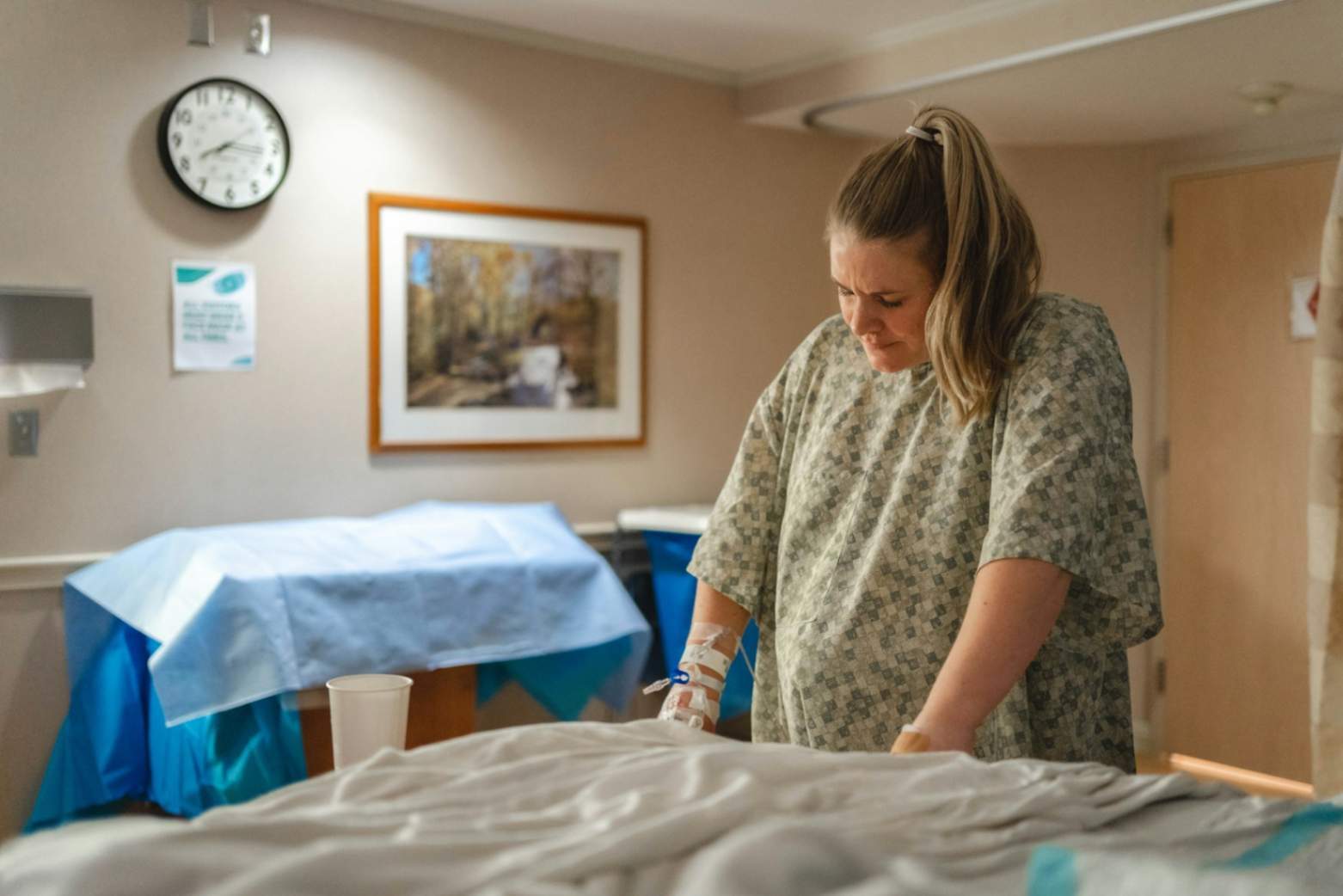 Before we go into the various aspects of C-section, let’s clarify what a natural delivery is. In simple terms, natural delivery is a process where you give birth vaginally without medical interventions. The medical interventions include a wide range of things such as pain medication, labor-inducing drugs, or surgical procedures. This process generally involves allowing you, as a mother, to labor on your own without the aid of breathing techniques, movement, and other forms of natural pain management methods. Because of this, natural delivery can be painful. The exact amount of pain depends on your pain tolerance level and specific circumstances.
Now, do note that “natural birth” is not the same as “natural delivery.” Natural birth is sometimes used broadly to mean any form of vaginal delivery, which often includes the inclusion of pain relief methods such as epidurals (pain medication).
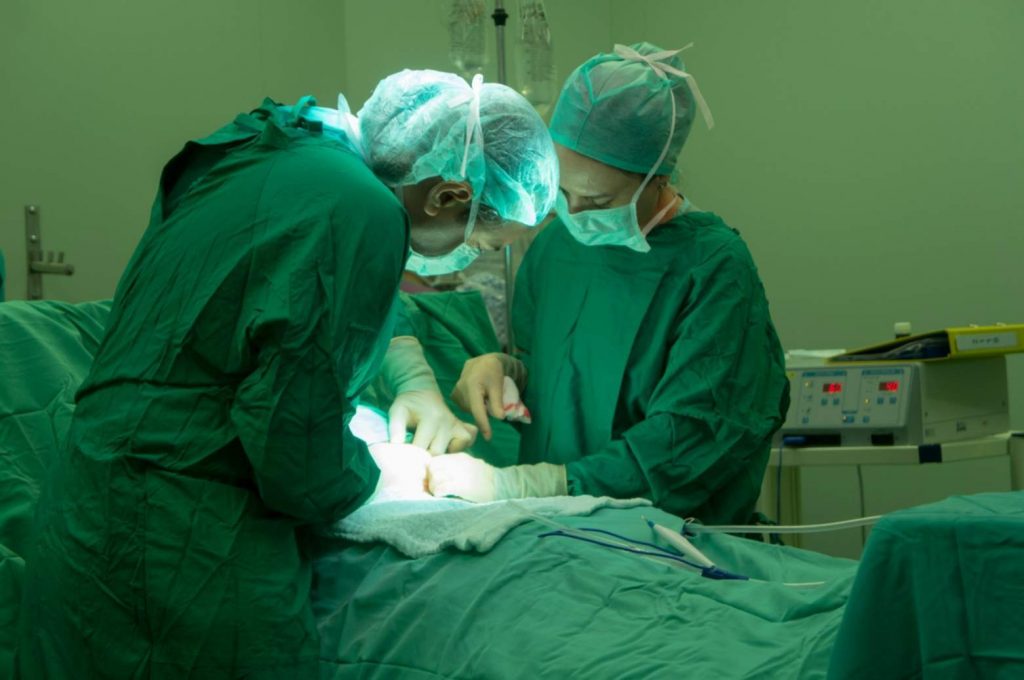
Cesarean section, or C-section for short, is a surgical procedure that is used to deliver a baby, primarily by making incisions in your abdomen and uterus. This process is typically used when a vaginal birth is not possible or when a vaginal birth is not safe for the mother or the baby. This process typically involves giving anesthesia, making an incision in the lower abdomen and uterus, and then carefully delivering the baby. Following this, the umbilical cord is then cut and clamped before the incision is closed with stitches or staples.
Now, depending on the specifics of the circumstances, this process can be planned prior to the due date for medical reasons or performed as an emergency if complications arise during vaginal natural birth. You should also note that recovery from a C-section typically takes longer than vaginal delivery, and it includes post-operative care to ensure healing.
Now that you know what a natural delivery and C-section are, let’s take a look at what section you would need for a C-section. Now, you do have to note that you may require a C-section under a wide range of circumstances, usually when you have a medical condition or if some complications occur during labor in vaginal delivery.
There are many circumstances where you may require a planned C-section. Some of the key circumstances when you may require a planned C-section include:
Unlike planned ones, unplanned C-sections are conducted during emergencies. Some of the key circumstances where unplanned C-sections may be necessary include;
When your labor is not progressing, when your cervix dilates and stops, or your baby stops moving down the rebirth canal.
Also Read: Women’s Health Checklist: Routine Screenings You Can’t Ignore
So, at this point, you should have a general gist of what a natural birth and C-section are and under what circumstances you need to conduct a C-section birth; let’s finally talk about some of the key differences between a natural birth and a C-section.
In natural birth, the baby is delivered vaginally through the contractions and pushing. Labors in natural births can be spontaneous or induced, and it is a painful process. For this, you may use breathing techniques and movements, or if these don’t work, the experts may also provide you with medication.
On the other hand, a C-section is a procedure where an incision is made in the abdomen alongside the uterus for the delivery of the baby. This process includes anesthesia and a controlled environment within the operating room.
The recovery in the natural birth is typically quicker as you can resume normal activity within a few days to a few weeks. Do note that in natural delivery, you may only face vaginal soreness or tears.
Unlike natural birth, the recovery from a C-section takes considerably longer, typically taking around 4 to 6 weeks. This is because recovering from a C-section involves healing from abdominal surgery, managing pain, and avoiding strenuous activities.
Another key difference between natural birth and C-section lies in the risks and complications you can face between these two forms of birthing a child. In natural birth, the risks include perineal tears, excessive bleeding, and complications such as prolonged labor or fetal distress.
On the other hand, some of the risks and complications in C-section birth include infections in the area of surgery, possible surgical complications, and increased risk in future pregnancies.
The difference between natural birth and C-sections is not just limited to the impact on mothers but on babies as well. When you give natural birth, your babies get good bacteria from the birth canal, which can boost the immune system of the babies. The babies are also less likely to experience breathing problems.
On the flip side, babies born from C-sections can have a higher chance of breathing difficulties at birth and can miss exposure to good bacteria from vaginal delivery. So, although the risk for the mother is slightly heightened during C-section, it does possess a slightly higher risk for the health of the baby.
The next key difference we shall discuss here is the impact of natural and C-section births on future pregnancies. In natural birth, you do not face any form of issues for the future of pregnancies unless complications arise.
However, using C-sections for delivery can lead to some complications in future pregnancies, such as issues with uterine rupture or placenta issues. Some of you can, however, have VBAC (vaginal birth after cesarean). However, it depends on various medical factors.
The final difference we shall discuss here is the cost of natural birth and C-section birth. In general, natural births are less expensive as you do not need any form of specialized equipment. However, C-section births can be a bit more costly as they require surgical expenses, anesthesia, hospital stay, and post-operative care.
Now, you should note that both natural delivery and C-sections have their own set of pros and cons. Therefore, the choice often depends on your medical needs and personal preferences. Regardless, to make this entire sub-topic more digestible, the following is the tabular representation regarding the differences between natural birth and C-section.
| Aspect | Natural Birth | C-section |
| Procedure | Baby is delivered vaginally through contractions and pushing. Labor can be spontaneous or induced. | Incisions are made in the abdomen and uterus for delivery. Requires anesthesia and a controlled operating room environment. |
| Recovery | Quicker recovery (a few days to weeks), with possible vaginal soreness or tears. | Longer recovery (4-6 weeks) due to abdominal surgery, requiring pain management and avoiding strenuous activities. |
| Risks & Complications | Risks include perineal tears, excessive bleeding, prolonged labor, or fetal distress. | Risks include infections, surgical complications, longer healing time, and increased risks in future pregnancies. |
| Impact on Baby | Baby receives beneficial bacteria from the birth canal, boosting the immune system, and has a lower risk of breathing problems. | Babies may have a higher chance of breathing difficulties at birth and miss exposure to beneficial bacteria. |
| Future Pregnancies | No major complications unless issues arise during birth. | Increased risk of complications like uterine rupture or placenta problems. VBAC (Vaginal Birth After Cesarean) may be possible depending on medical factors. |
| Cost | Generally less expensive, as no specialized equipment or surgery is required. | More costly due to surgical expenses, anesthesia, hospital stay, and post-operative care. |
 Thus, at this point, you already know the huge differences between these two kinds of births. But did you know that according to statistics given by The Bump, the rate of women who had chosen C-sections as a first-time birth had risen from 18.4% to 22.4% in the period 2020-2021? Even though all this information is somewhat outdated, the tendency towards growth is intact because data demonstrated by WHO forecasted that 29% of live births shall be conducted via C-section by 2030. But, of course, one would think, why do women during pregnancy require cesarean birth? Actually, there are a lot of reasons for it. Some of the most basic ones are:
Also Read: Ultrasound in Pregnancy: How It Monitors Baby’s Growth
Since you have read so far, we would like to inform you that we have spoken about the issue of this topic. And now, we are going to provide you with information regarding some of the best doctors of Nepal with whom you can consult and receive services regarding C-sections and normal delivery. Some of the best ones in this category are given below.
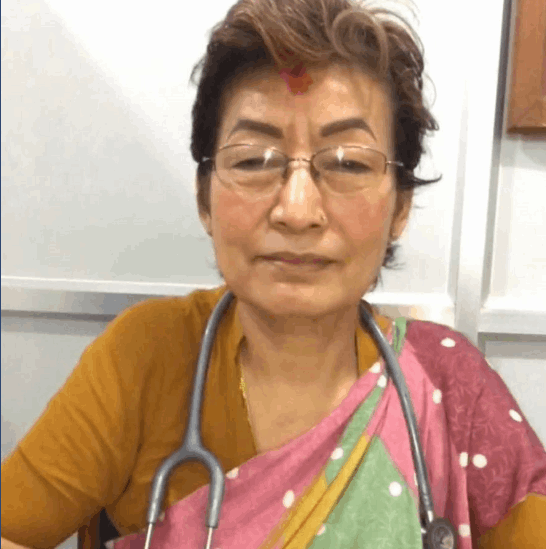
Dr. Devi Gurung has more than three decades of experience in the area of obstetrics and gynecology, providing excellent care in general and specialty women’s health care services. She is a specialist in gynecology, providing high-quality and personalized care to her patients. She provides high-quality, personalized care for her patients.

Dr. Noora Pradhan is a gynecologist and laparoscopic surgeon, sharing her practice between medical education and clinical practice. She is dedicated to women’s health, both within the hospital and by working with outreach programs all over Nepal.
Her contribution in gynecology teaching at national and international levels has impacted medical education. She is a frequent conference attendee, where she presents her research and continues to advance her competence in the fields of reproductive medicine and ultrasonography. Committed to patient care, Dr. Pradhan integrates the latest advances in reproductive therapies to render quality medical care.
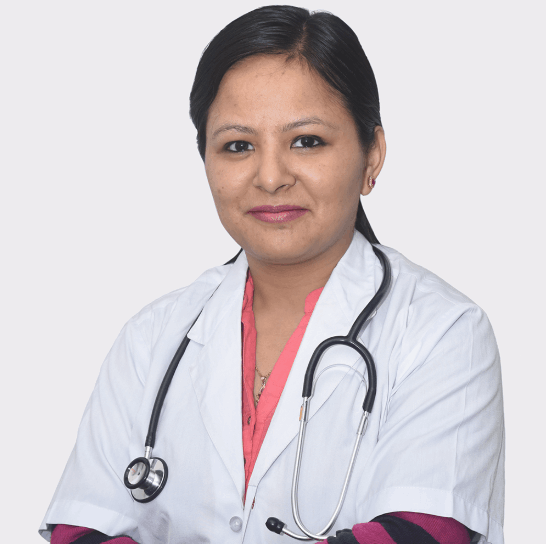
Dr. Anupama Gurung (Suwal) is a reproductive medicine and IVF pioneer in Nepal. She is a dependable expert for individuals looking for consultation on infertility. In addition to her clinical practice, she is also involved in medical education by traveling and speaking at conferences. She continues to update herself with higher training in reproductive medicine and ultrasound. Committed to patient care, she incorporates the latest advancements in fertility treatments while providing compassionate support.
Dr. Babita Shah is a highly regarded obstetrician and gynecologist with a wealth of experience in women’s healthcare. She offers expert care in routine check-ups, prenatal care, and gynecological conditions, ensuring personalized treatment for each patient. Known for her empathetic approach, she provides comprehensive and individualized medical care, making her a trusted choice for women’s health needs.
Recommended Blog: IVF Success Rates in Nepal: Conceive Healthy Baby With IVF
Now, before we end this topic, let’s cover one final aspect- where can you get the best C-section and natural delivery service in Nepal? Well among many options that you have, one of the best ones is Venus Hospital.
But why Venus Hospital? Venus Hospital, the best hospital in Nepal offers a wide range of specialized services and is attended to by some of Nepal’s best specialists in women’s health. The principal women’s health services provided include:
So, with all those obstetrics and gynecology services, you don’t just get the best for C-sections but more.
When it comes to giving birth, there are two major routes you can take: natural birth or C-sections. But which one should you choose? Well, the specific depends on your personal circumstances and choices. If you do not have any form of medical complications and can endure pain while putting the best health of the baby in mind, then natural birth is likely to be your choice. However, if you do have a medical condition and there is a risk of harm to you or your baby during delivery, then C-section is likely to be the best option for you. But you might also need to do a C-section if a complication arises during natural delivery. Hence, the decision to undergo natural birth or C-section is slightly more complicated than it seems on the surface.
In this blog, we have provided you with a general overview of natural birth and C-section and some of its key differences and some additional information. We hope you found this helpful. If you seek further insights into the various aspects of fertility and other health concerns, do check out some of our other blogs. And if you want the best natural birth or C-section service in Nepal, look no further than Venus Hospital. Thank you for reading till the end.
Other Related Blog Posts:
Natural delivery and cesarean sections both have their advantages and disadvantages, so the better choice will depend on personal circumstance, such as health complications and personal preference. Natural delivery is generally associated with faster recoveries and less risk of complication, while C-sections may be unavoidable in high-risk situations. Ultimately, one should speak to a health professional.
Normal delivery can involve a great deal of pain and discomfort during labor, which may be hard for some women to tolerate. There is also a chance of complications such as tearing, hemorrhage, or fetal distress in the process. Recovery from vaginal delivery also varies greatly depending on individual circumstances and complications arising.
An elective C-section can be appropriate for women with particular medical issues or those with a history of traumatic birth experiences since it ensures a controlled environment and reduced unpredictability. It might, however, also subject them to elevated risks of complications such as infection or longer recovery times compared to normal delivery. A choice between an elective C-section and normal delivery should be based on medical advice and personal preference.
Induction may be preferable if the labor is overdue but can lead to complications that can necessitate a C-section if the mother or the baby does not react. C-sections are typically reserved for when there is an urgent need for delivery for safety reasons. The decision should be made in consultation with a healthcare provider based on the specific conditions of the pregnancy.
Normal delivery is typically marked by severe labor pain, but recovery from a cesarean delivery is also painful because it is surgical. The majority of women describe that C-section pain is harder to relieve and takes longer to accomplish than labor pain. Lastly, everyone feels pain in very different ways depending on numerous variables, including the methods employed for pain relief during delivery.