24*7 365 days
24*7 365 days
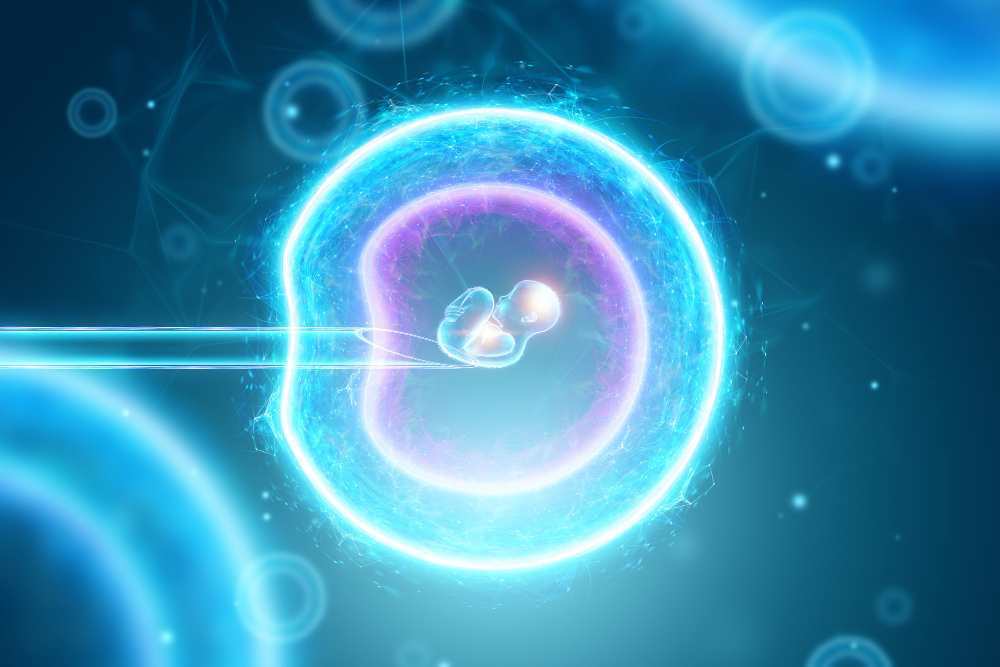
Intrauterine Insemination (IUI) treatment has emerged as one of the most accessible and effective fertility treatments for couples who are facing challenges in conceiving a baby naturally. This treatment offers hope for many couples who are struggling with infertility due to factors such as low sperm count, ovulation disorders, or unexplained infertility. In this treatment the prepared sperm is directly placed into the uterus during ovulation with the help of a thin catheter to become pregnant successfully.
In this blog, we provide information regarding what IUI treatment is, its step-wise process, its risks, and when doctors recommend IUI treatment. Along with it, we also cover some insights about how to prepare for IUI, the success rate of IUI, its cost and who to consult for an IUI treatment.
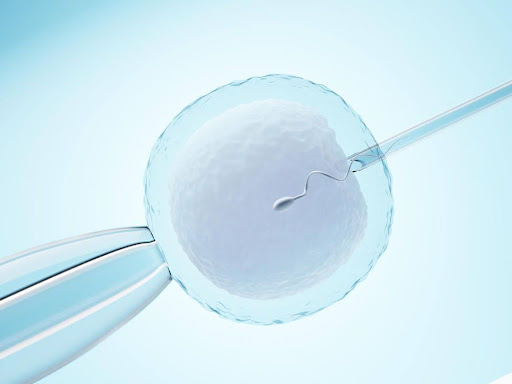
IUI (Intrauterine Insemination) treatment is a type of fertility treatment in which high-quality sperm is directly placed into the uterus of a woman during the time of ovulation to help the couple conceive a baby. In simple words, it is a treatment that helps couples to conceive when they face trouble getting pregnant naturally. Before putting the sperm into a woman’s uterus, it is firstly washed and concentrated to remove impurities. By doing so, you can select the healthiest and most motile sperm, which can increase the chances of conception. The IUI treatment is less invasive and often preferred by the couples due to its simplicity and minimal discomfort.
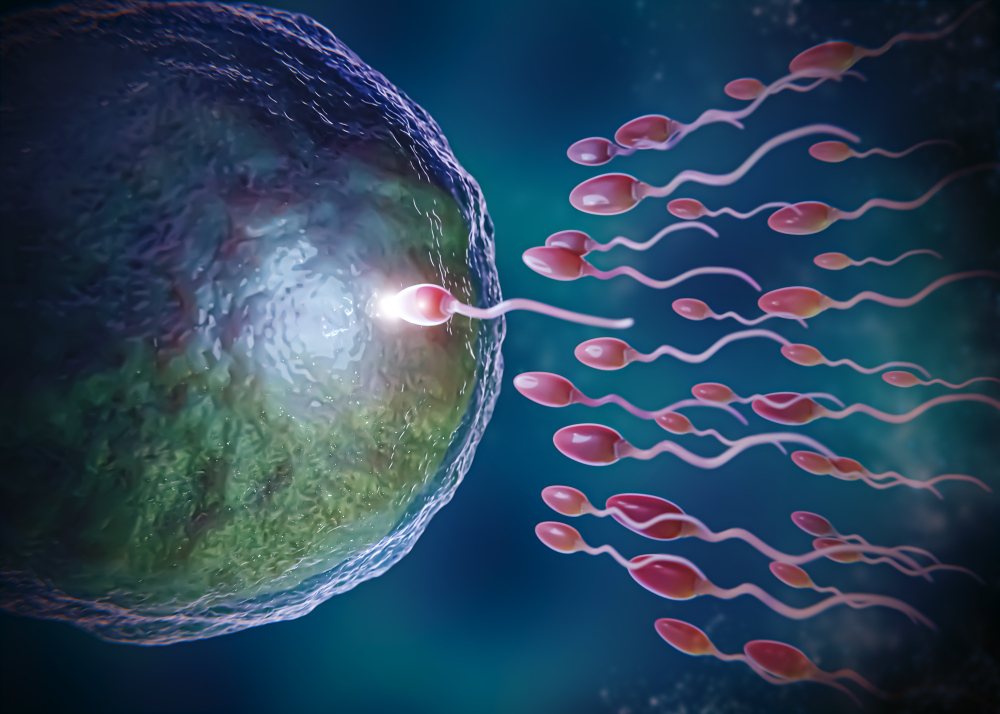 Intrauterine insemination helps women become pregnant successfully. To increase the chances of fertilization, there are various steps you should follow. Following these steps not only improves the chances of conception but also ensures the IUI treatment procedure is safe and effective for both partners. Knowing the IUI procedure step by step can help couples to confidently prepare for the treatment and achieve optimal results. The step-wise procedure includes:
Step 1 – Initial Consultation and Evaluation: Before starting the intrauterine Insemination process, it is essential for doctors to examine the medical history of both partners. Additionally, the doctors conduct the blood test, hormonal test and ovarian reserve test of the female partner to ensure her body is ready for IUI. In addition to that, they conduct ultrasound to assess the uterus and ovaries of women, while semen analysis is done for male partners.
Step 2 – Ovulation Monitoring/Induction: After the initial consultation stage is over, the next step is ovulation monitoring/induction. This step can be performed with two types. One is a natural cycle, which is done by using ultrasound to monitor your cycle. Additionally, a blood test is performed to determine the LH (luteinizing hormone) levels in this step to track the ovulation. The other type is a stimulated cycle. In a stimulated cycle, women usually take fertility medication either orally or through injection to stimulate the ovaries to produce one or more mature follicles (eggs).
Step 3: Trigger ovulation:
Once the ovulation monitoring phase is finished, the trigger ovulation stage starts. After taking fertility medications such as Clomid and Letrozole, the follicles slowly reach their optimal size (18-20mm). Once the egg reaches its ideal size, the trigger injection (hCG) is given to mature the eggs. After giving the hCG, the IUI is planned around 24 to 36 hours later.
Step 4: Sperm collection and preparation:
This step is done on the day of IUI treatment. In this step, the sperm is collected from the male partner or the donor sperm is thawed to use for the Intrauterine Insemination process. After the sample is collected, it undergoes a wash to select the healthiest sperm and to remove the impurities that could affect the procedure.
Step 5: IUI procedure:
Step 5 is the main stage, as in this phase, doctors start your sperm placement procedure. Firstly, you need to lie on the examination table by stirruping the leg. After that, the doctor begins the process by using the thin catheter to place the prepared sperm directly into the uterus through the cervix to increase the chances of fertilization. The process is fast and usually does not cause pain.
Step 6: Post-procedure and the two-week wait:
After performing the IUI, you can perform the daily and normal activities as you did before. During this rest time, it is important to avoid strenuous exercise as it can cause cramping, discomfort, or may affect implantation. In this stage, the doctors may prescribe you the Progesterone supplements to support your uterine lining. Next, you need to perform a pregnancy test 14 days after the procedure to know whether the treatment was successful.
In many cases, the female partner becomes pregnant naturally after having sexual intercourse. However, some women won’t conceive despite having sexual intercourse. For those female partners who face difficulty in conceiving a baby, doctors recommend IUI treatment. There are various situations where intrauterine insemination is recommended by the doctors. Some of them are mentioned below:
Before you perform intrauterine insemination, there are various ways that you can prepare to increase your chances of success and ensure the procedure goes smoothly. Taking good care of your overall health and following the guidance given by the doctors can boost the couple’s to conceive a baby. Some of the preparations you should do are listed below:
Intrauterine Insemination treatment is generally safe, but sometimes it may involve some potential risks/side effects. Those risks can cause temporary discomfort or mild changes in the body. However, the risk can vary from person to person. Some of the risks of an IUI treatment are listed below:
Before you perform IUI, it is important to know the success rate, as it helps you to determine whether you want to perform intrauterine insemination or not. Knowing the IUI success rate also helps you set realistic expectations and perform planning for the next step. However, the success rate also depends on several factors, which are described below.
Overall, the intrauterine insemination success rate after multiple cycles can enhance pregnancy chances up to 60%. On average, the success rate for IUI treatment is 10-20% per cycle.
IUI is a more affordable option, but what is the cost per cycle? Understanding the cost lets you decide whether you are going to perform the treatment or not. The average cost of IUI treatment is around NPR 12,000 per cycle at Venus Hospital. However, with the ongoing offer, you can now get 3 cycles of IUI treatment at the same affordable cost of NPR 12,000.
Do note that there are factors which affect the overall cost of IUI besides the stated amount. Some of the factors include:
If you are not able to conceive a baby despite trying, it is essential to consult with an experienced doctor. These doctors let you know the reasons and help you become pregnant. You can find such types of specialist doctors at Venus Hospital – one of the best IUI centers in Nepal. One of the experienced doctors is Dr. Anupama Gurung (Suwal).
 Dr Anupama Gurung is a professional and committed IVI expert who has more than 10 years of experience. She completed an MBBS and an MD degree from Kathmandu. Additionally, with her experience, she has helped many couples to conceive a baby. Dr Gurung is well-experienced in performing IUI, ultrasounds, laparoscopy, and hysteroscopy. She consistently helps couples in fulfilling their parenting desire. She is committed to providing the best treatment for fertility and minimally invasive treatments. Additionally, she prioritized offering comprehensive and compassionate care to all the patients. She is widely recognized as a trusted doctor because of her expertise, dedication and evidence-based practice.
IUI treatment is a safe and affordable option for those couples who are facing fertility challenges. This treatment helps couples to conceive a baby in a simple and effective way. Although success depends on factors such as age, reproductive health, and the underlying causes of infertility, proper guidance from experienced, qualified doctors can significantly improve outcomes. If you understand the procedure, preparation, and expectations, you can directly approach intrauterine insemination with realistic hopes and informed decision-making. IUI is a fertility treatment to fulfill the dream of couples for parenthood.
In this blog, we provided information regarding what IUI treatment is, its step-wise process, its risks, and when doctors recommend IUI treatment. Along with it, we had also covered some insights about how to prepare for IUI, the success rate of IUI, its cost and who to consult for an IUI treatment. For further information regarding IUI, feel free to check out some other blogs. Moreover, if you are in search of the best IUI specialist, contact Venus Hospital – one of the best IUI hospitals in Nepal.
You can support the female partner by understanding and giving emotional support. Some of the support that you can provide are listed below:
The appropriate age group for IUI is below 35 years. Women under 35 years have a high chance of success (15–20%). After this age, the success rate declines as the age of women increases.
There are several things you need to avoid after IUI. Some of them include:
Intrauterine insemination is not suitable for individuals who have many fertility issues. Some of the issues are listed below:
Yes, intrauterine insemination can be successful in the first attempt, but it is not guaranteed. The chances are moderate. Up to now, the success rates are usually 10–20% per cycle, especially for women under 35 years with no major fertility problems.
The key differences between IUI vs IVF on the basis of procedure, invasiveness, cost and suitability are listed below:
IUI
IVF