24*7 365 days
24*7 365 days
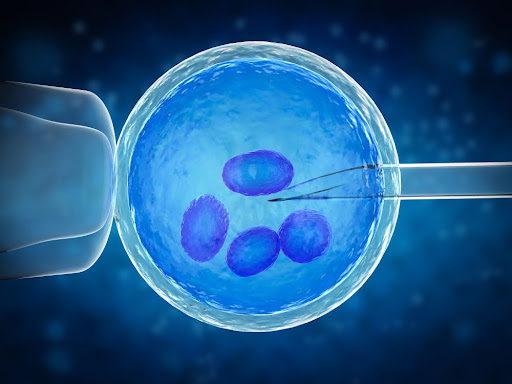
In vitro fertilization, IVF is a popular process in modern times that is used to treat infertility and increase the chances of a successful conception. But you should note that IVF is not a single process but consists of many small procedures in between. One of the integral parts of the IVF process involves the extraction or retrieval process of eggs. The name itself suggests that the eggs are retrieved from your ovaries.
Keeping this in mind, let’s discuss one of the key questions you may have on egg retrieval,
how is the egg taken for IVF treatment?
In this blog, we discuss how eggs are taken for IVF treatment. Along with this, we shall also discuss what an egg retrieval process is, the duration, some potential egg retrieval complications and the recovery phase.
 As the name suggests, in this process, the eggs are retrieved from the ovary. It is an integral part of IVF because without this process, you cannot fertilize them with the sperm of your male partner. Without this process, the whole IVF process cannot take place.
However, the importance of egg retrieval is not confined to IVF only. Besides being utilized in IVF, egg retrieval is also crucial in other procedures such as egg freezing, egg donation, fertility preservation, and just about any other Assisted Reproductive Technology that would require the presence of an egg from the female outside the body.
The general gist is rather simple – it is a process where one or multiple eggs are taken outside the ovary and uterus for IVF and other forms of ART.

Now that you have a general idea about what an egg retrieval process is, let’s tackle the main question – how is an egg taken for fertility treatments? The specific process depends on one’s particular conditions, as one has to consult the reproductive expert beforehand, after which the process can kick off.
The expert will check your health and provide you with a customized process. Having said that, we can give you a general idea of what it looks like when describing the step-by-step process of retrieving eggs in IVF. The key steps in the said general process include:
Before the start of the egg retrieval process itself, you can be instructed not to drink for a specific duration depending on the specifics of your circumstances. The instructed duration typically starts from midnight of the night before the process ends. During this period, you shall need to head to the office a few hours before the scheduled time.
Once you arrive at the hospital and the time of egg retrieval nears, you shall be administered anesthesia depending on the specifics of your health circumstances. What this aims to do is to ensure that you don’t feel any pain but still manage to keep you responsive. You may also feel sleepiness, which again depends on the specifics of your condition.
After dosing with anesthesia, positioning follows. You shall be requested to lie down on an exam table with your feet up in the stirrups. Once in proper position, the experts shall then clean your vaginal area with an antiseptic solution to avoid bacteria that might cause contamination during the retrieval of the eggs.
After putting you in an appropriate position, the experts then insert a transvaginal probe. This probe allows the doctors to see what is inside your vagina, including the ovaries and follicles. Once they establish a clear visual target, they then insert a thin hollow needle through a vaginal wall into the ovarian follicles. The fluid from each follicle is withdrawn into the test tube. The same process is applied to the other ovaries to extract the fluid as they contain the unfertilized eggs. The fluid is then examined under the microscope to count the eggs.
Once the eggs are retrieved, they are then cleaned in the laboratory and then either frozen for cryopreservation or taken for the fertilization process. The fertilization process can be either regular fertilization or an ICSI procedure. If the egg is fertilized, they are carefully monitored for development.
By this step, the egg retrieval process is over. The experts wait for you to get out of the anesthesia and wait another hour so that you can regain your normal functioning. After that, the specialists advise you on necessary advice concerning after-care. Note that you have to be accompanied at all times by another person and should not be left alone.
You are usually able to return within the next day, but in most cases, you would want to take a couple of days for rest and recuperation from the process. Regardless of whether you rest for a few days or head straight to work, you must protect your ovaries and not do heavy exercise or high-impact activities.
These are the key steps of the egg retrieval process. As mentioned prior, it is important to know that the specific procedure can change depending on your circumstances.
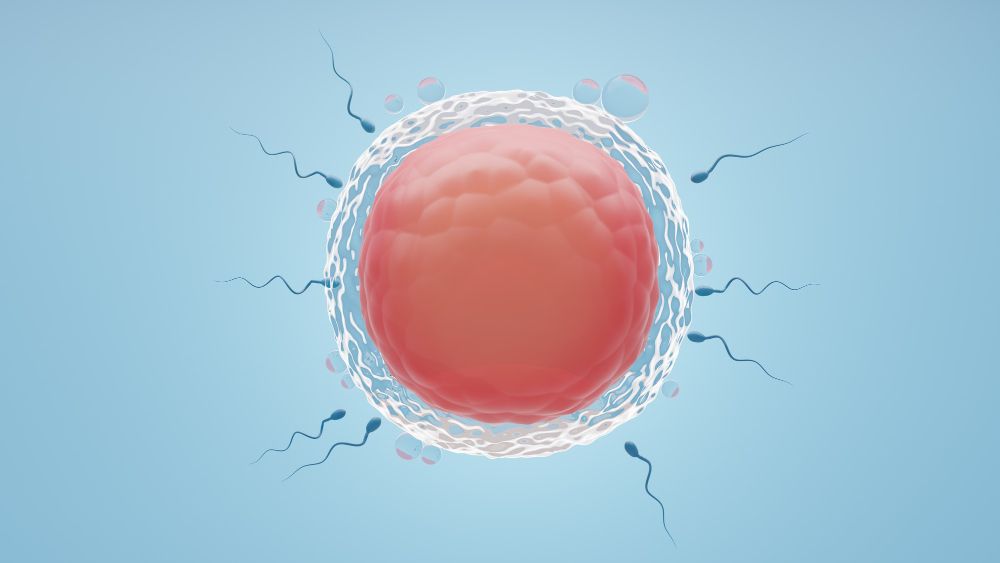 After knowing what the general procedure of egg retrieval is, let’s now discuss some of the key ways on how to prepare for IVF egg retrieval. This is because preparing well for the process can make the process smoother and increase the number of eggs retrieved during the process. While the specifics of how one will prepare will differ depending on your circumstances, the general ways one prepares include:
Generally, the quality of eggs is compromised by an unhealthful lifestyle, such as smoking, a high intake of alcohol, and caffeine. Therefore, experts advise you to stop smoking if possible and lower your coffee/alcohol intake. Additionally, experts also advise you to lower your high-fat and processed foods.
 Another key aspect of preparing for the retrieval process is considering what you eat. You should eat vegetables, fruits, beans, lentils, whole grains, lean proteins, olive oils, and those that contain omega-3 fatty acids. Apart from that, experts also recommend you reduce the high intake of red meats, sugary drinks, and butter.
Another important part of the preparation for egg retrieval involves supplementation. These supplements are not compulsory but really do ensure your body is getting all the nutrients it needs to develop healthy eggs and enhance ovarian function. Some of the key fertility supplements include:
Although avoiding unhealthy chemicals is good advice in general life, you should especially do so while preparing for the egg retrieval process. There are a number of chemicals that we encounter daily, which interfere with the process of egg retrieval. Some of the following are:
Preparing for the egg retrieval process is not only about being physically prepared; it is also about the mental aspect. Perhaps one of the best ways to prepare mentally is in knowing what exactly one is to expect from the procedure. You can do this by reading blogs such as this one or contacting reproductive experts from reputed organizations.
It is important to consult with the best fertility experts when going for IVF, for the critical process of egg retrieval. The skill level of a doctor directly affects the procedure’s success and overall IVF success. Some of the top gynecologists and fertility specialists in egg retrieval, IVF cycles, and fertility preservation in Nepal are:

Dr Devi Gurung is one of the most experienced fertility specialists in Nepal. She is well-known for her experience in IVF procedures, particularly egg retrieval. Her patient-oriented approach ensures that each phase of ovarian stimulation through egg retrieval is carefully monitored to attain peak success. She provides personalized care to guide patients through the physical and emotional process of IVF.

With high expertise in laparoscopic gynecology and IVF, Dr Noora Pradhan is one of the most experienced and skilled experts in the careful procedure of egg retrieval. Her expert skills and techniques guarantee minimal pain and successful egg retrieval. She further assists patients with egg freezing and thorough post-retrieval care, providing expert guidance throughout the IVF process.

Dr. Anupama Gurung (Suwal) is one of Nepal’s leading IVF and reproductive healthcare experts. She offers precision and care in the egg retrieval procedure from her exposures abroad. Her expertise in minimal stimulation IVF and natural IVF allows patients to undergo personalized treatment using minimal medication, making her the preferred choice for anyone considering egg collection and IVF.
Knowing what to expect during the egg retrieval process is not just about learning about the process but also about its duration. Well, how long does the process of egg retrieval take to complete? The exact time taken for the procedure of egg retrieval depends on the case and your individual circumstances. However, generally speaking, it takes about 20 minutes in total. If we include the recovery process in the total time taken for the procedure of egg retrieval, then the total time can go up to a few days.
Along with the key process for egg retrieval and its duration, another key concern you may have is complications associated with egg retrieval. While egg retrieval is generally a safe procedure, there can be several complications before, during and after the procedure. Some of the general egg retrieval complications include:
Do note that the chances of these complications to occur are low. Although the chances of complications are low, it is always good to know them so you may be better equipped in dealing with the process of egg retrieval.
Among all the assisted reproductive technologies, egg retrieval plays an important role in the whole process of IVF. Therefore, if you have any form of plan to be involved with IVF or ART, you should be aware of the egg retrieval process. In this process, you are provided with general anesthesia before being placed in a specific procedure. Once you are in the right position the experts then retrieve your eggs.
Along with the egg retrieval process, you should also be aware of how to prepare for this process and some complications that may arise. The good news here is that the egg retrieval process only lasts for a few days, even if you include the resting phase.
In this blog, we discussed what egg retrieval is, how an egg is retrieved for IVF treatment, preparation for the retrieval of the egg, the duration of it, and some complications that you may face.
Hope that was helpful. If you seek further insights into the various aspects of fertility and other health-related topics, do check out some of our other blogs.
And if you want the best egg retrieval process in Nepal, look no further than Venus Hospital. a best ivf center in Nepal. Thank you for reading till the end.
Although the specific egg retrieval process depends on your circumstances, some of the general steps in this process include:
The exact details of this individual technique, where the eggs are retrieved in the context of an IVF procedure, may differ based on the situation. However, common steps one may find involved might be as follows:
You can follow many guidelines to get good-quality eggs for IVF. Some of these guidelines include:
Although only one embryo is implanted during the IVF process, not all retrieved eggs can be successfully transformed into embryos during the fertilization process. The general practice among experts is to typically aim for around 10 to 12 mature eggs.
No egg retrieval is generally not painful since you shall be under the effect of general anesthesia. However, if you have special health conditions that resist the effect of anesthesia to some extent, you may feel some light or mild pain.
The general rule of thumb is to avoid eating highly processed foods and extreme activities. Along with these, you should also avoid:
Yes, you can indeed travel after egg retrieval. But it is best to leave a week-long gap from the date of your egg retrieval to allow your body to heal.
You should consult your dietician or nutritionist for specific instructions on what to eat before egg retrieval. That said, some commonly recommended foods include: