24*7 365 days
24*7 365 days
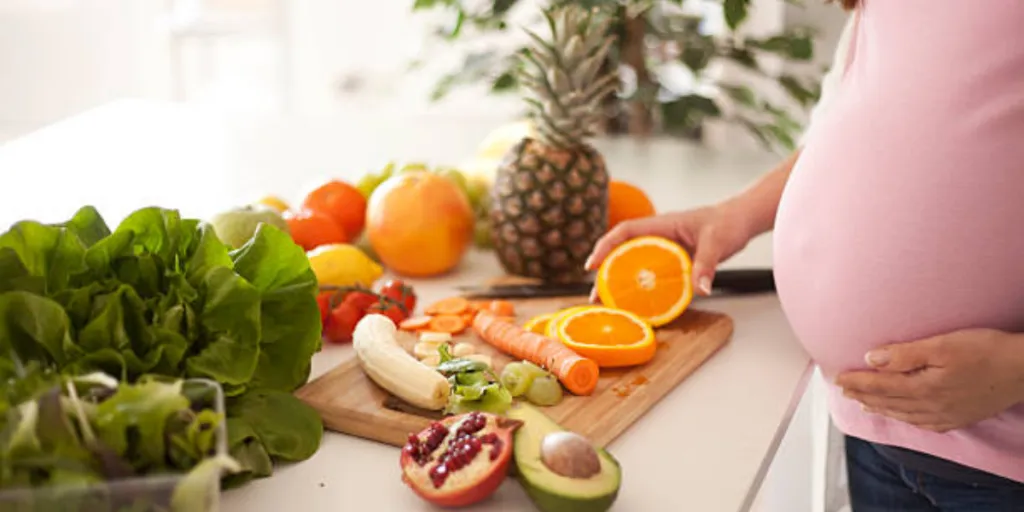
Pregnancy is a wonderful adventure that is full of excitement and transformations. Nutrition is one of the most significant factors in this trip because the food you consume not only sustains your body but also helps your baby to grow and develop. Diets are also able to make you feel more energetic, decrease the usual pregnancy discomforts, and supply the necessary nutrients for a healthy pregnancy.
This guide will have a closer look at food in pregnancy, simple tips on what to eat, what to avoid and how simple it can be to plan your meals per trimester. If you are only pregnant or you are already in the later months of your pregnancy, learning about nutrition can make this special period healthier and enjoyable for you and your baby.
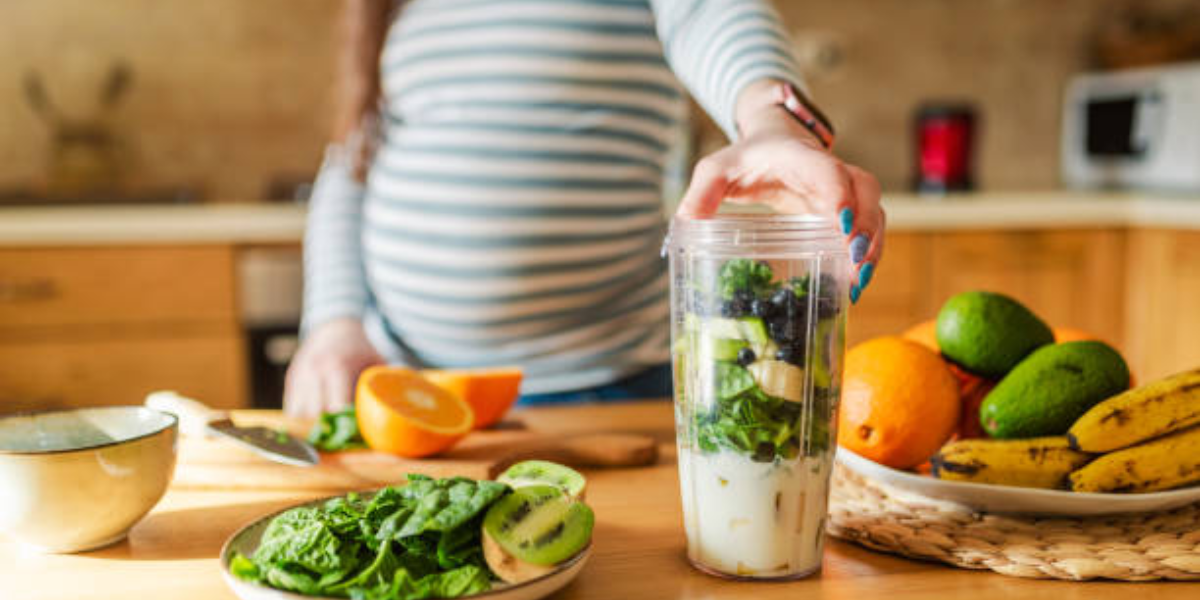 When you are pregnant, you require additional nutrients to help your baby grow and develop. A well-balanced diet consisting of a variety of foods can supply these important nutrients and keep you and your baby healthy. Among the most crucial nutrients to pay attention to are:
Healthy eating during pregnancy is not only about the need to satisfy hunger, but also a crucial step in maintaining health, not only in yourself but also in your baby. The correct nutrition gives you the energy that you require, aids the development of your baby, and prevents complications. The main advantages of good nutrition in the course of pregnancy are:
The initial trimester (1 to 3 months) is a very critical period for your baby, because most of the organs start developing at this time. Healthy nutrition may be achieved by consuming the right foods, which contain the necessary nutrients to help your baby grow healthy, and by avoiding some foods, you decrease the risks of exposing your baby to risks. This balanced diet during these initial months assists in controlling the usual symptoms of pregnancy, such as nausea and fatigue, and prepares the basis for a healthy pregnancy.
The first trimester is the period when you should consume small, balanced meals that will give you and your baby a lot of nutrients. Bringing on board diverse fruits, vegetables, whole grains, proteins, and healthy fats can assist in the development of your baby and keep you active all day long. The following is a sample diet plan that you should follow in the first three months of pregnancy:
| Meal | Food Options |
| Breakfast | Whole-grain toast with avocado, eggs, or oatmeal with fruits |
| Mid-Morning Snack | Fresh fruit, nuts, or yogurt |
| Lunch | Grilled chicken or fish, brown rice, and vegetables |
| Afternoon Snack | Smoothie with milk and berries, or roasted chickpeas |
| Dinner | Lentil soup, steamed vegetables, quinoa, or lean meat |
| Hydration | Water, herbal teas, and fresh fruit juices |
The first trimester is a very sensitive time in the development of your baby; thus, you should be cautious of what you consume. Some foods might harbour bacteria, toxins, or other elements that might pose health risks to you or your baby. Eating these foods may jeopardise your baby and harm your pregnancy.
Tip: Some foods can predispose to miscarriage; hence, always check labels and do not eat raw or contaminated foods.
Months 4-6 are the second trimester, which is a period of rapid growth of your baby. This period can be characterised by an increased demand for calories and other nutrients to meet your energy requirements and those of your developing baby. Special attention to the food that contains protein, calcium, iron, and necessary vitamins can strengthen the bones of your baby, maintain the healthy circulation of the blood, and make you feel active all day long.
In the second trimester, it is advisable that you eat balanced meals throughout the day to give you and your growing baby the additional energy and nutrients required. A combination of protein, whole grains, fruits, vegetables, and healthy fats can help your baby grow and can make you feel strong and full of energy. The following is a basic meal and snack guide for this period of pregnancy:
| Meal | Food Options |
| Breakfast | Greek yogurt with berries, nuts, and chia seeds |
| Mid-Morning Snack | Fruit, nut butter, or whole-grain crackers |
| Lunch | Brown rice or quinoa with vegetables and lean protein |
| Afternoon Snack | Cheese sticks, hummus with veggies |
| Dinner | Baked fish, sweet potatoes, and steamed greens |
| Hydration | Plenty of water, coconut water, and herbal teas |
Foods to Avoid in Second Trimester: same as first trimester, but avoid high-mercury fish such as shark, swordfish, and king mackerel.
In the third trimester (7 to 9 months old), your baby is developing at a very fast rate and is getting ready to be born. To nourish your baby and keep you energised and to prepare your body to give birth, you should eat high-quality protein, iron, calcium, and fibre. These high nutritional requirements can be achieved by eating balanced meals and healthy snacks.
During the third trimester, you should consume nutrient-enriched foods that promote the quick development of the baby and keep you active. Whole grains, fruits, vegetables, and healthy fats should be included in order to ensure that you and your baby receive the nutrients required to have a healthy pregnancy. The following is a realistic diet plan for this trimester:
| Meal | Food Options |
| Breakfast | Whole-grain cereal with milk, banana, and almonds |
| Mid-Morning Snack | Yogurt with flax seeds or fresh fruit |
| Lunch | Grilled chicken, lentils, brown rice, and vegetables |
| Afternoon Snack | Smoothie with milk, oats, and berries |
| Dinner | Steamed fish, quinoa, and sautéed greens |
| Food in Pregnancy: Essential Nutrition Tips for Mom & Baby | Water, fruit-infused water, and herbal teas |
During the last months of pregnancy, one should be especially attentive to what he/she eat because some foods may be dangerous to both you and your child. To prevent infections, healthy growth, and complications during delivery, it is possible to avoid certain items. The most important foods to restrict or avoid are:
A pregnancy food chart can be a full food chart so that you can plan your meals, healthy snacks, and hydration during pregnancy. It provides you with all the necessary nutrients required to not only keep you healthy, but also your baby’s development.
Key nutrients to include are:
The food chart for pregnancy must be modified as your pregnancy advances, as your needs for nutrients and calories grow during the second and third trimesters. Eating a balanced diet can keep you active, minimise frequent pregnancy complications and help your baby develop well.
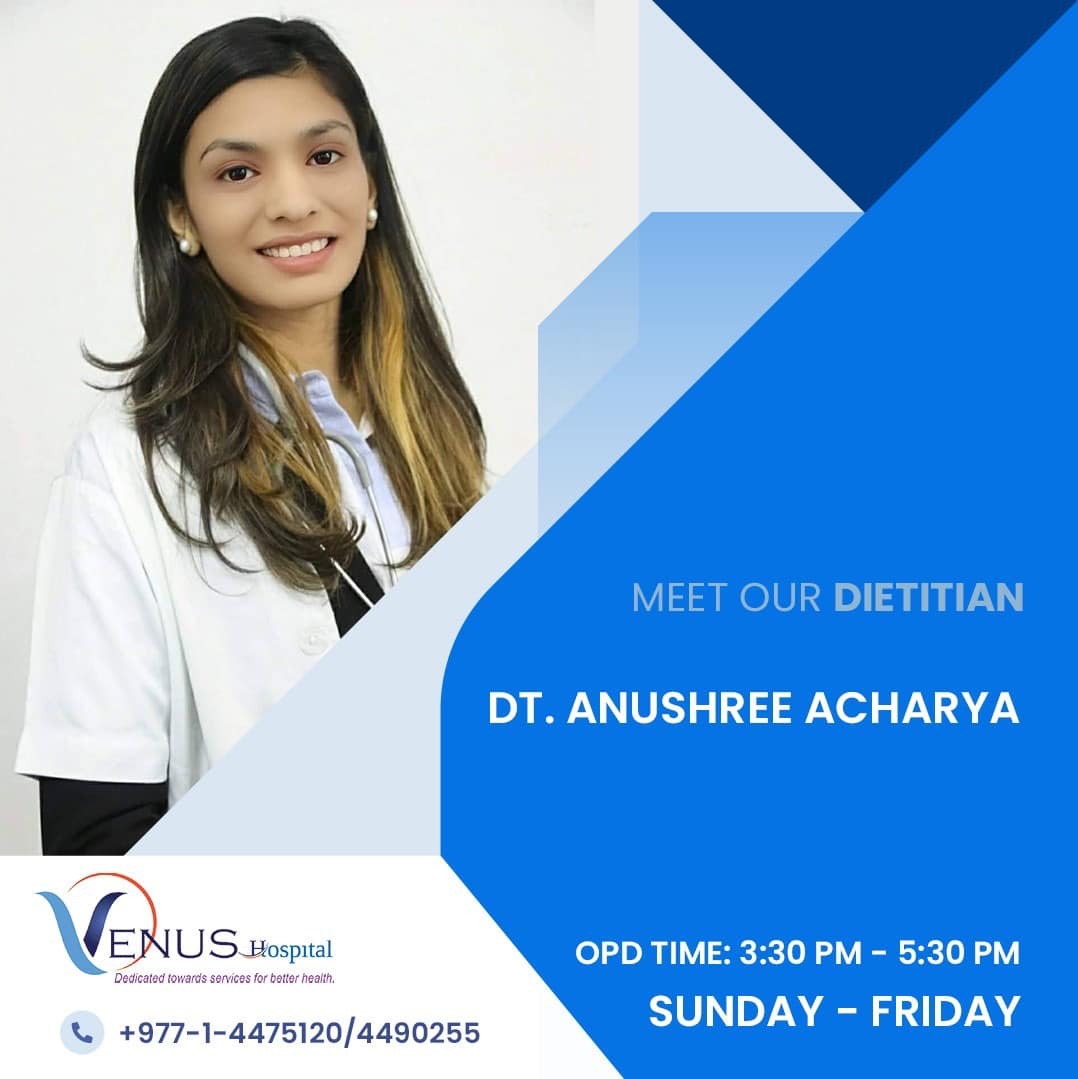
In Venus Hospital, a qualified dietitian and nutritionist, Dt. Anushree Acharya, can provide expectant mothers with professional advice on healthy nutrition and eating. Having a great knowledge of the dietary requirements during pregnancy, Dt. Acharya assists mothers-to-be to design a balanced meal throughout the three trimesters of pregnancy so that both the baby and the mother get the right amount of nutrients to grow and develop. Her tailored nutrition plans can make the pregnancy process healthier, more comfortable, and energetic, whether it comes to recommending the foods that support brain and bone development or assisting in dealing with the most common pregnancy issues such as fatigue, nausea, and digestion. She is available to patients on her OPD between 3.30 PM and 5.30 PM on Sunday to Friday at Venus Hospital.
During pregnancy, it is important to eat the right foods so as to ensure your health and that of your baby. Eating healthy foods and shunning unhealthy food and being able to eat a balanced diet during all three trimesters can go a long way in making your pregnancy a success. An effective diet is one that becomes well planned to aid in the proper development of the fetus, minimizes the chances of complications and keeps you feeling refreshed and powerful as your body transforms. Healthy eating is also a precursor to healthy habits that can go beyond pregnancy. For expert guidance on pregnancy nutrition and care, visit the best hospital in Nepal, Venus Hospital.
In the first trimester, you should consume foods that are rich in nutrients in order to help your baby develop within the first trimester. Eat greens, fruits, low-protein foods, eggs, dairy, and whole grains. Meanwhile, raw or undercooked food should be avoided to minimize the risk of infections and complications.
The answer is yes, you can eat seafood when you are pregnant, but it is necessary to eat safe seafood. Salmon, sardines and trout are low-mercury fish. Fish with high mercury content, such as shark, swordfish and king mackerel, are dangerous to the development of your baby.
Gaining weight depends on your BMI before pregnancy and on your health. Among women of normal BMI, the recommended weight gain is approximately 11-16kg (25-35 lbs). Never ignore your doctor and seek his/her advice, as every pregnancy is different.
During pregnancy, constipation is the order of the day, but a high-fibre diet will do the trick. Eat as many fruits, vegetables, whole grains, and legumes as possible. Digestion and constipation can also be prevented by drinking adequate water and engaging in physical activities.
Yes, some foods may predispose to miscarriage or pregnancy complications. Raw or undercooked meat and seafood, unpasteurized dairy, alcohol, and food contaminated with bacteria or high in mercury are to be avoided. Safe food habits and selecting nutritious foods can be used to safeguard the health of your baby.