24*7 365 days
24*7 365 days
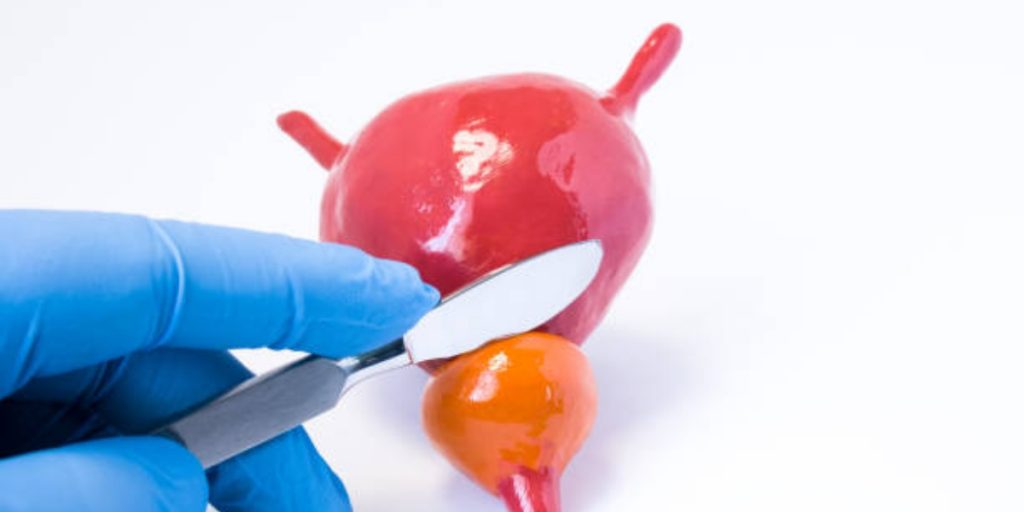
The prostate is one of the issues that affect men as they age. Prostate TURP Surgery (Transurethral Resection of the Prostate) is one of the most effective treatments that can be adopted to treat an enlarged prostate. This is a minimally invasive operation that is performed to enhance urine flow and relieve pain brought about by Benign Prostatic Hyperplasia (BPH) – a benign enlargement of the prostate.
In this guide, we shall provide you with a concise summary of what Prostate TURP Surgery is, the circumstances under which it is undertaken, what to expect in the process of recovery, the risks involved, and the reputable hospitals in Nepal where prostate treatment can be undertaken.
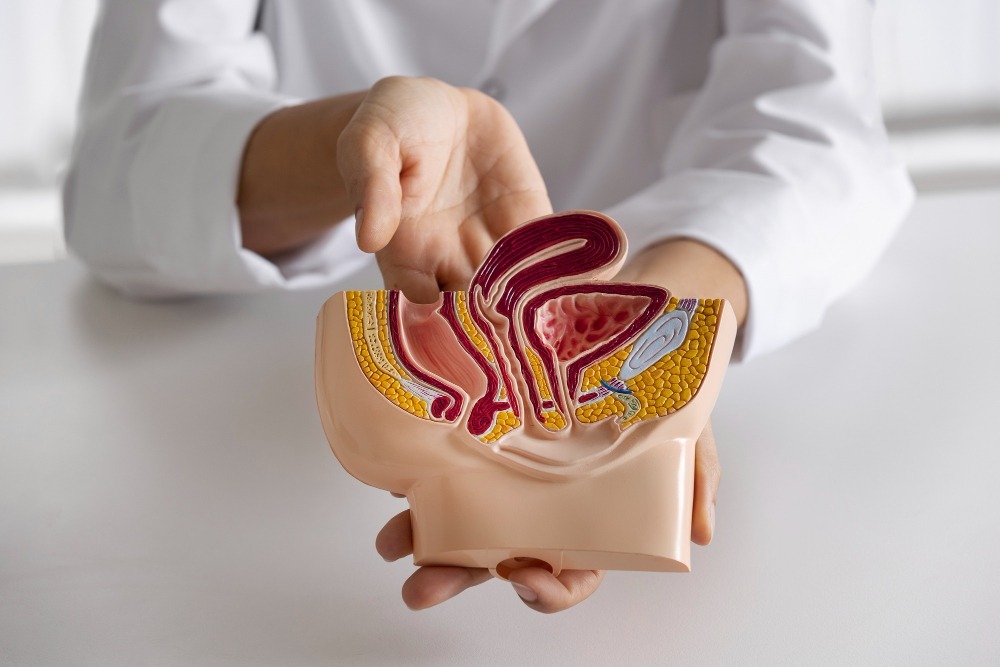 TURP (Transurethral Resection of the Prostate) is a popular operation that is employed in the treatment of urinary difficulties caused by a large prostate. Rather than cutting anything externally, the doctor uses a thin tool known as a resectoscope by inserting it into the urethra (tube through which urine is passed out of the body). This device enables the physician to eliminate the sections of the prostate that are obstructing urine flow to enable you urinate with ease and comfort.
TURP operation is performed in order to alleviate urinary troubles due to an enlarged prostate. It helps to decrease such symptoms as frequent urination, weak urine stream, inability to start urinating, or the feeling that your bladder is not empty. The surgery will enable the urine to flow freely and enhance the overall bladder functioning by removing the excess prostate tissue.
In TURP surgery, the surgeon excises the section of the prostate pushing against the urethra and leading to urinary issues. The surgery is done either under general anesthesia or spinal anesthesia and thus you will not experience any pain.
The resectoscope is a thin medical device that is inserted through the urine passage known as the urethra, thus no external incisions or scars are made. The resectoscope contains a small camera and light which enables the surgeon.
TURP surgery is typically advised to men who have moderate or severe urinary symptoms which do not respond to pharmacotherapy. It assists when a large prostate begins to influence a normal urinating process or leads to other medical complications.
You can be required to have TURP when you experience:
Physicians can prescribe TURP due to:
TURP surgery has no age restriction. Physicians pay more attention to your general health, heart status and tolerance of anesthesia. The majority of patients are above 60 years, however, even older men can successfully complete the procedure with appropriate medical assessment.
In cases where the prostate swells, it might be required to perform surgery to alleviate urinary issues and enhance the quality of life. The kind of operation is determined by the size of the prostate, the severity of the symptoms and the general health of the patient. The following are the primary forms of prostate surgery that are mostly applied in treatment of an enlarged prostate.
The enlarged prostate can be treated using different surgical procedures based on the size of the enlarged prostate and the general condition of the patient.
Before the step by step description, a short description of what happens during the initiation of a TURP procedure is provided. The surgical team and the anesthesiologist will be presented to you, a short history and vital signs check will be performed and you will be told whether you will have spinal (numbing at the waist down) or general (asleep) anesthesia. The staff will inform you about the consent and fasting rules, IV placement, and final preparation in order to make sure that you will be safe and comfortable during the surgery.
You will receive spinal anesthesia (numb below the waist) or general anesthesia (completely asleep), which means that you will not experience any pain before the surgery. The operating room is also cleaned and ready, and an IV line is established to administer fluids and drugs throughout the surgery.
Once the anesthesia is completed, the surgeon inserts a resectoscope, which is a thin tube with a camera and a light, into the urethra. This enables the surgeon to have a clear view of the prostate and direct the tools to cut the tissue that is obstructing the flow of urine.
After the resectoscope is inserted, the surgeon will then remove the prostate tissue that is obstructing the flow of urine using an electric loop or laser. The resulting tissue is then washed away and the urethra is cleared to enable urine to flow with ease.
Once the prostate tissue has been removed, there is a catheter (thin tube) inserted in the bladder to drain urine. The bladder is also flushed gently to get rid of any blood or tissue fragments that may be present and thus the area heals and the chances of getting infected or blocked is minimized.
TURP surgery normally lasts between 60 and 90 minutes. The majority of the patients spend 1-3 days in the hospital under observation and primary recovery. You will also have a urinary catheter during this period and the medical team will monitor your vital signs, pain management and everything is healing as expected.
You will spend the night in the hospital after undergoing TURP surgery. Urinary catheter is introduced to empty the urine and to maintain the bladder clean as the healing process commences. The catheter is normally taken out within 2-3 days, as per your recovery and the instructions of your doctor.
Home care is significant after TURP surgery to have a smooth recovery. Take lots of water to aid in flushing the bladder, do not lift heavy objects or engage in any vigorous activities in a few weeks, and take any antibiotics or pain medication as prescribed by your doctor. These instructions will assist in avoiding infection, minimizing discomfort, and healing.
Home-based care is significant to a successful recovery after TURP surgery. Drink lots of water to help empty the bladder, do not lift heavy or do strenuous work and take any antibiotics or pain killers that your doctor prescribes to you to the letter. These steps will be useful to avoid infection, minimize discomfort, and promote healing.
When recovering following TURP surgery, you should help your bladder and general recovery. Eat small, nutritious meals, no caffeine, alcohol, and no difficulty in urinating. The recovery time of most patients takes approximately 2 weeks to resume normal activity, although this depends on the recovery and the recommendation of the doctor.
There are side effects that can be experienced after TURP surgery but they are temporary and can be treated by providing proper care. Common issues include:
TURP surgery is usually safe and effective although some patients may experience some long term side effects. They are normally mild and manageable through medical attention in case of necessity:
A successful and safe TURP surgery requires the selection of a competent and qualified urologist. With the help of a qualified doctor, there is proper diagnosis, technique of doing surgery and minimum complications. Modern and least invasive procedures are also employed by experienced urologists, resulting in the shortest healing time, less blood loss, and long-term outcomes. Never make decisions without checking the background, reviews and facilities of the hospital of the doctor to ensure that the correct medical team is involved because the right medical team contributes a significant part to the best outcome.

Dr. Sunil Shrestha is a competent urologist in Nepal who specializes in the treatment of crises associated with prostate, such as Benign Prostatic Hyperplasia (BPH), and carries out TURP (Transurethral Resection of the Prostate) operations. His area of expertise involves minimal invasive urology processes that promote quick healing and less pain among patients. Dr. Shrestha is currently a physician at Venus hospital and is known to be patient-centered, communicative and committed to offering high-quality prostate care through the use of modern medical practices.
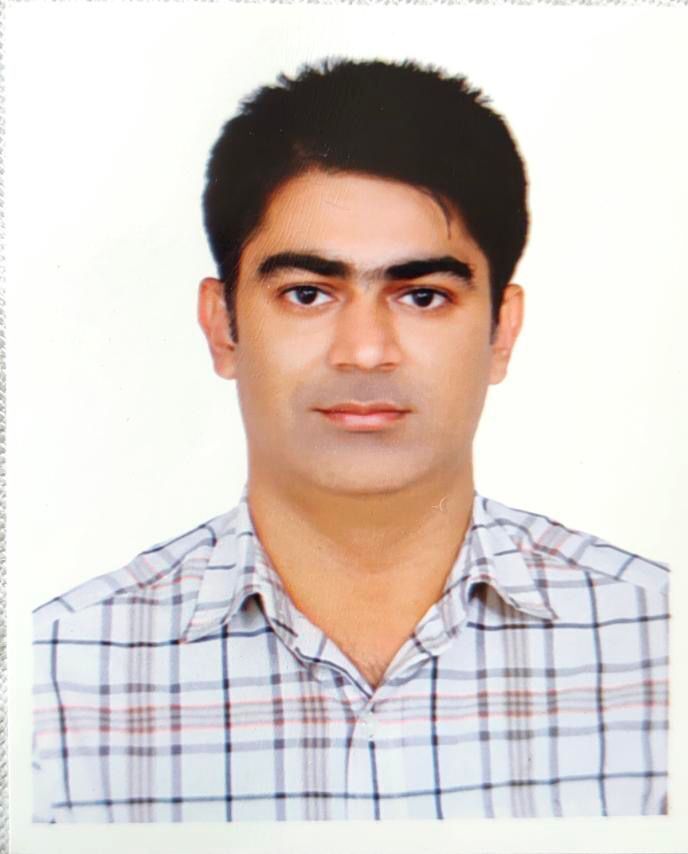
Dr. Bashant Baral is a well-trained urologist (MBBS, MS in Urology) who has been specializing in the treatment of prostate enlargement (BPH) and TURP surgeries with accuracy and delicateness. His years of experience in the field of advanced urological work offers effective solutions to problems with the urinary and prostate. Dr. Baral has a reputation of being patient-centered, whereby all individuals obtain safe, comfortable, and evidence-based care. He also provides consultations and treatments in his OPD time of 5 PM to 6 PM and offers quality prostate care to his patients in Nepal.
The enlargement of the prostate is a typical problem in men, particularly in old age, and may severely impact everyday life. TURP surgery is a safe and effective procedure that can be used to alleviate urinary issues, increase bladder control and quality of life. The selection of an experienced urologist and treatment in a well-equipped hospital are some of the factors that lead to a successful outcome. Through adequate medical advice, follow-ups and care, a majority of the patients have long-term relief and are able to resume normalcy in their lives comfortably.
Venus Hospital is a full-fledged urology center in Kathmandu that offers latest laser prostate surgery services against diseases such as Benign Prostatic Hyperplasia (BPH). They employ the services of skilled specialists who employ advanced methods to make their patients comfortable and effectively treated. Visit their website to get more information or to make a consultation.
The majority of patients resume light activities in 1-2 weeks. A full recovery normally requires about 4 to 6 weeks, depending on general health and recovery.
You can observe frequent urination, slight burning, or slight amounts of blood in the urine. These are short-term effects that are corrected in a couple of weeks.
Anesthesia will not hurt you during surgery. Minor pain or burning during urination in the aftermath is a normal occurrence that can be treated using medication.