24*7 365 days
24*7 365 days
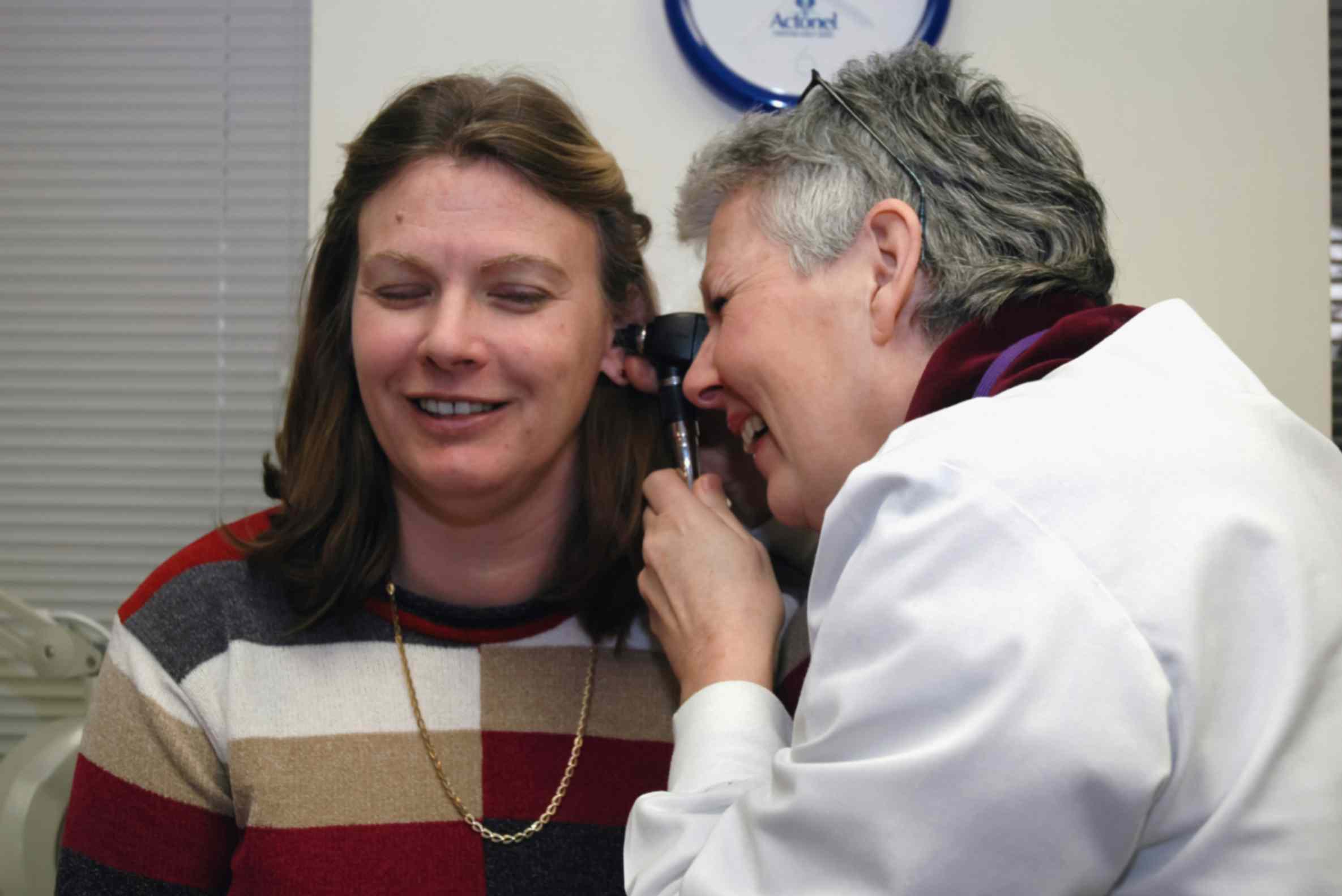
Many people experience health issues that affect their daily comfort and overall quality of life. Ear, nose and throat (ENT) problems are also one of them. These organs play a vital role in daily comfort, communication, and overall well-being. To treat these problems, ENT specialists can help you. They are qualified to manage both common and complex conditions affecting hearing, breathing, speech, and balance. Knowing when to visit the specialist can prevent minor problems from becoming serious health issues. The ENT specialist (otolaryngologist) offers expert diagnosis and targeted treatment to those who are suffering from ear infections and sinus problems to voice disorders and sleep-related breathing conditions.
In this blog, we provide information on ear, nose, and throat–related problems, as well as common ENT conditions in children treated by an ENT specialist. Along with this, we also give insights on identifying tongue-tie in babies and adults, the signs ENT specialists look for, and the top ENT specialists at Venus Hospital.
ENT specialists play a vital role in diagnosing and managing ear-related conditions. By using the modern diagnostic method and advanced medical expertise, ENT specialists treat a wide range of problems with extensive care. Some of the ear-related conditions that are treated by the ENT specialist include:
 Nose and sinus conditions are common in Nepal. These issues can affect breathing, sleep, and overall comfort. To get relief from these issues, the ENT specialist treats them very precisely. You can get relief from the symptoms, avoid complications, and lead a better life by consulting the specialist on time. Some of the most common conditions of the nose and sinuses that are treated by ENT specialists are given below:
 The throat and voice are essential for clear communication and breathing. If problems occur, these functions cannot be performed properly. Therefore, an ENT specialist diagnoses and manages a wide range of throat and voice-related problems. Below are some of the throat and voice-related problems that are managed by an ENT specialist.
During the children’s developing stage, many children often face ear, nose and throat issues. An ENT specialist helps to diagnose and treat these conditions in the early stage to avoid last-minute complications and to support the healthy growth of the children. Some of the common ENT problems faced by children and how an ENT specialist treats them are mentioned below.
 Tongue-tie is a condition that can be seen in newborn babies. It can significantly affect feeding, speech, and oral development by restricting tongue mobility. Additionally, it not only makes feeding difficult but also causes poor weight gain and discomfort. Some of the signs that allow you to tell that your baby is tongue-tied are listed below.
For some adults, limited tongue mobility is unnoticed for a longer period of time. By the time you notice these issues, it becomes a serious problem affecting speech clarity, eating, or daily comfort. To treat these issues, it is important to consult with the ENT specialist immediately for evaluation and possible treatment. Some of the tongue tie problems in adults are mentioned below:
There are several signs of tongue tie. Among those signs, there are some that an ENT specialist looks for to determine he/she has tongue tie. Below are the signs of tongue tie that an ENT specialist looks for when evaluating tongue movement.
If you are looking for a top hospital that provides expert ENT care and effective treatments for both you and your child, Venus Hospital is one of them. This hospital offers advanced medical facilities, skilled specialists, and compassionate care for patients of all ages. The top ENT specialists you can find at Venus Hospital (one of the ideal ENT care hospitals) are Dr. Apar Pokharel and Dr. Ganesh Chalise.

Dr. Apar Pokharel is a senior ENT surgeon working at Venus Hospital. He has more than a decade of clinical experience in his field. Throughout his career, he has managed a wide range of ENT (Ear, nose and throat) problems, including hearing loss, ear infections, balance disorders, ear nerve disorders, and nasal obstructions. Additionally, he is also capable of treating smell disorders, nasal polyps, voice disorders, tonsils, laryngitis and swallowing disorders. Dr. Apar (one of the best ENT doctors in Kathmandu) provides comprehensive and compassionate care to all his patients. He is regarded as a trusted doctor due to his patient-centered approach, effective communication, and dedication to delivering the best possible treatment.
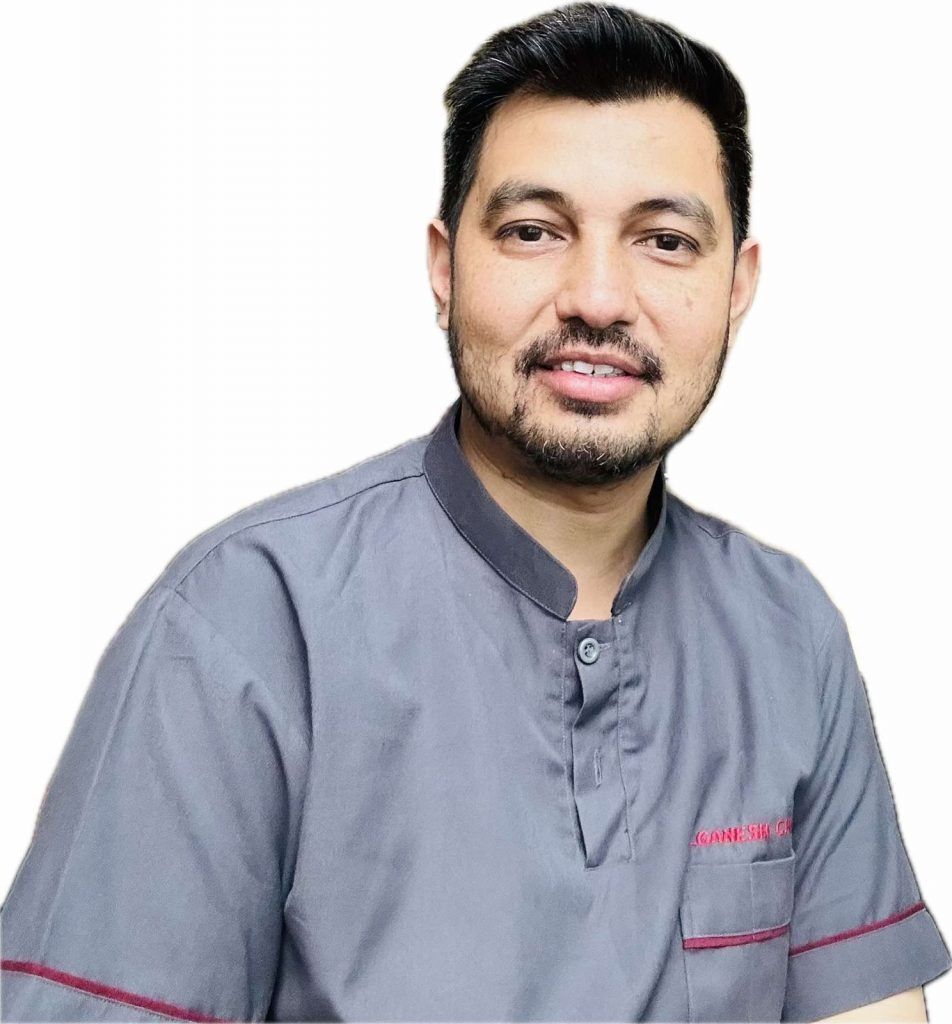 Dr. Ganesh Chalise is an experienced ENT specialist working at Venus Hospital. His area of specialization is related to advanced ENT surgeries, diagnoses, and procedures. Due to his core specialization, he can provide the best possible treatments to his patients. He is well experienced in curing hearing loss, balance disorders, ear infections, nasal polyps, tonsils and many more. Dr. Chalise is also skilled in providing the right procedures and treatments. He is regarded as the trusted doctor because of his dedication to the work and his caring attitude.
Visiting an ENT specialist in Nepal is an important step to maintain the ear, nose and throat health for a longer period of time. If you are suffering from regular symptoms, discomfort, or sudden problems such as hearing loss or throat pain, it is always best to consult the ENT specialist (Dr. Apar Pokharel and Dr. Ganesh Chalise) immediately. Currently, ENT treatment in Nepal is becoming more accessible and trustworthy due to increased awareness and development of medical facilities. Consulting the specialist not only helps in better treatment but also increases the quality of life.
In this blog, we provided information on ear, nose, and throat–related problems, as well as common ENT conditions in children treated by an ENT specialist. Along with this, we have also provided insights on identifying tongue-tie in babies and adults, the signs ENT specialists look for, and the top ENT specialists at Venus Hospital. For further information regarding ENT (Ear, nose and throat), feel free to check out some other blogs. Moreover, if you are in search of the best ENT hospital, contact Venus Hospital – one of the best ENT hospitals in Nepal.
You can choose the right ENT specialist in Kathmandu by following the key considerations that are listed below.
Yes, an ENT specialist can treat tongue-tie in both babies and adults. They carry out procedures such as frenotomy (basic release) or frenuloplasty (more comprehensive release) to enhance tongue movement, frequently employing lasers or surgical tools to address feeding or speech problems.
Yes, some ENT problems can be treated without surgery. The otolaryngologist prescribed medication, along with information about lifestyle adjustments and in-office procedures. Some ENT problems that can be treated without surgery are chronic sinusitis, allergies, ear infections, and mild snoring.
Yes, the ENT specialists, especially pediatric ENTs, are well-suited and often recommended for the children who experience chronic or severe problems related to the ear, nose and throat. They offer comprehensive as well as compassionate care for all children.