24*7 365 days
24*7 365 days
Embryo Freezing is a popular form of infertility treatment in Nepal. In this process, the embryos are taken outside the uterus and then frozen in a sub-zero temperature for further use. By doing so, you can preserve the embryo’s viability for future use. Furthermore, besides being used for fertility preservation, it is also used for genetic screening and diagnosis, oncology, surrogacy, and delayed pregnancy. But have you ever wondered what the cost of embryo freezing in Nepal is?
In this blog, we discuss what embryo freezing is, its process, its use, the cost, and the factors affecting the cost of embryo freezing in Nepal.
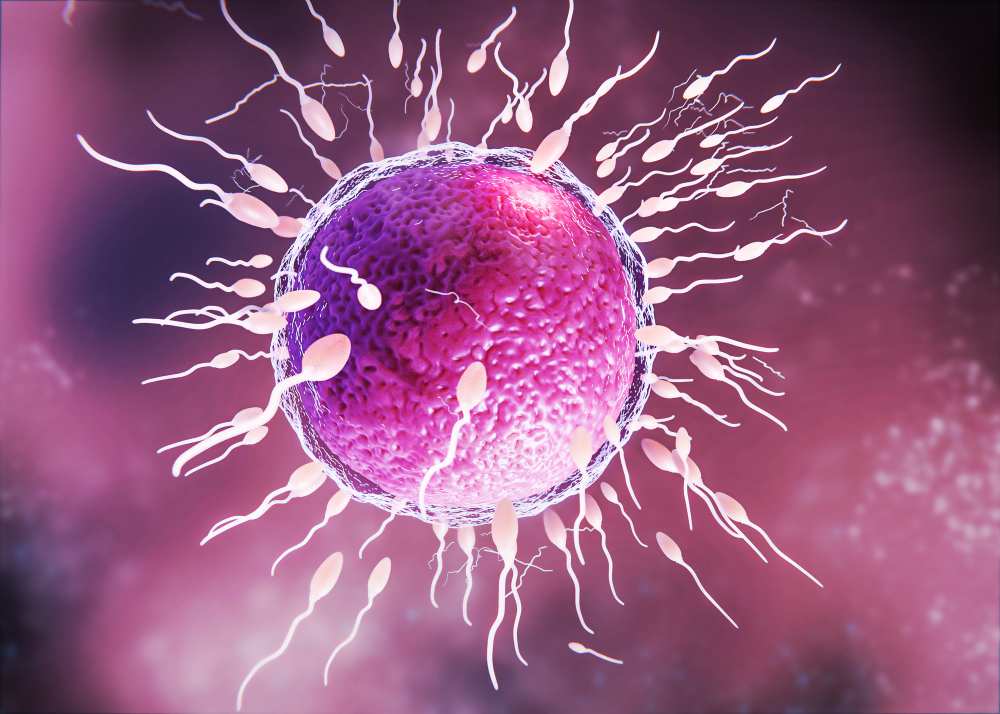
Embryo freezing, or embryo cryopreservation, is a method utilized in assisted reproductive technology (ART). In this process, embryos are preserved by cooling them at very low temperatures. This technique consists of creating an embryo by fertilizing eggs with sperm in a lab setting, allowing them to develop for a few days, and freezing the embryos gradually to prevent ice crystal formation. Then, the embryos are stored in liquid nitrogen at low temperatures. The details regarding the process of embryo freezing are as follows:
Before the process of embryo preservation begins, the first step is to stimulate the ovary for the production of eggs. The ovary is stimulated using hormones. Once stimulated, the ovary produces multiple eggs, which are then retrieved through a minor surgical procedure. This minor surgical procedure is called follicular aspiration.
Once the eggs are retrieved from the ovaries, they are placed in a laboratory. The eggs are then fertilized with sperm in the laboratory by either intracytoplasmic sperm injection (ICSI) or traditional insemination by mixing eggs and sperm together.
After the eggs are inseminated, they are cultured in a carefully monitored laboratory setting in an incubator. The eggs are incubated for three to six days. During this time, they are observed for signs of normal development and cell division. Only the healthiest and most viable embryos are selected for freezing or transfer
This is the core step of the entire embryo freezing process. In this step, the eggs are retrieved and cooled slowly through a process known as vitrification. This process involves cooling the embryos to a low temperature, which is typically around -196°C or -320°F. This is done to prevent the formation of ice crystals that can damage the embryos.
After the vitrification process, the eggs are then stored in a cryogenic storage. These storage tanks are filled with coolants like liquid nitrogen and are designed to maintain low temperatures for extended periods.
Now, this is a summary of the procedure of embryo freezing, also known as embryo cryopreservation.
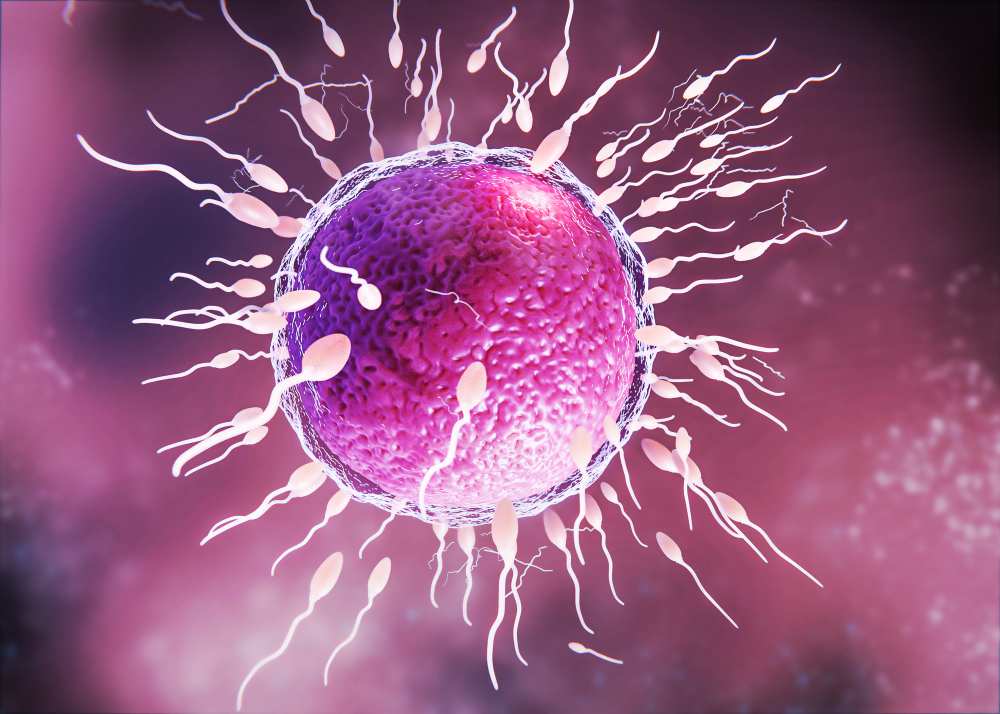
The primary purpose of embryo freezing is to preserve the fertility. This technique allows individuals and couples to delay pregnancy until a later time. Additionally, it provides an option for those undergoing medical treatments, such as chemotherapy, which might affect their reproductive capabilities. Besides this, some other purposes of embryo freezing are as follows:
Embryo freezing essentially preserves the fertility of the couples. Therefore, if the couple are fertile but not yet ready to start the family yet, it allows for the couples to be more flexible with the time. Furthermore, it can also enhance the chance of successful fertilization by letting the couple implant the fertilized embryo based on factors such as menstrual cycle, uterine receptivity, and overall health.
If the woman is of an older age, they face several challenges in their fertility. Some of these challenges include factors such as reduced egg quality and lower ovarian reserve. Embryo freezing allows for the collection of multiple embryos over multiple IVF cycles when the woman is younger. This essentially acts as a bank of successful embryos to aid in pregnancy at a later date for the women.
Overall, embryo freezing provides couples and individuals with options to maximize their chances of achieving a successful pregnancy while also offering a means of preserving fertility in the face of medical treatments or age-related decline in fertility.
Along with enhancing success in older women, another key purposes of embryo freezing is the preservation of excess embryos. During the IVF process, it is possible for fertile embryos to remain after a successful cycle. This happens because during the process, not all of the embryos are transferred into the woman’s uterus. Should this circumstance happen, the excess embryos are preserved for future use. This reduces the need for repeated ovarian stimulation for future IVF treatment cycles.
Besides preservation of excess embryos, this process also improves the overall success rate of IVF cycles. By freezing multiple embryos from the single IVF cycle, you can have many opportunities for implantation without undergoing repeated ovarian stimulation and egg retrieval process. Furthermore, it also allows embryos to be transferred at an optimal time when the uterine environment is most receptive, increasing the chances of successful implantation. Additionally, since you can scan and select the healthiest embryos before freezing, you can have a higher quality of embryos being used, further contributing to an increased chances of pregnancy.
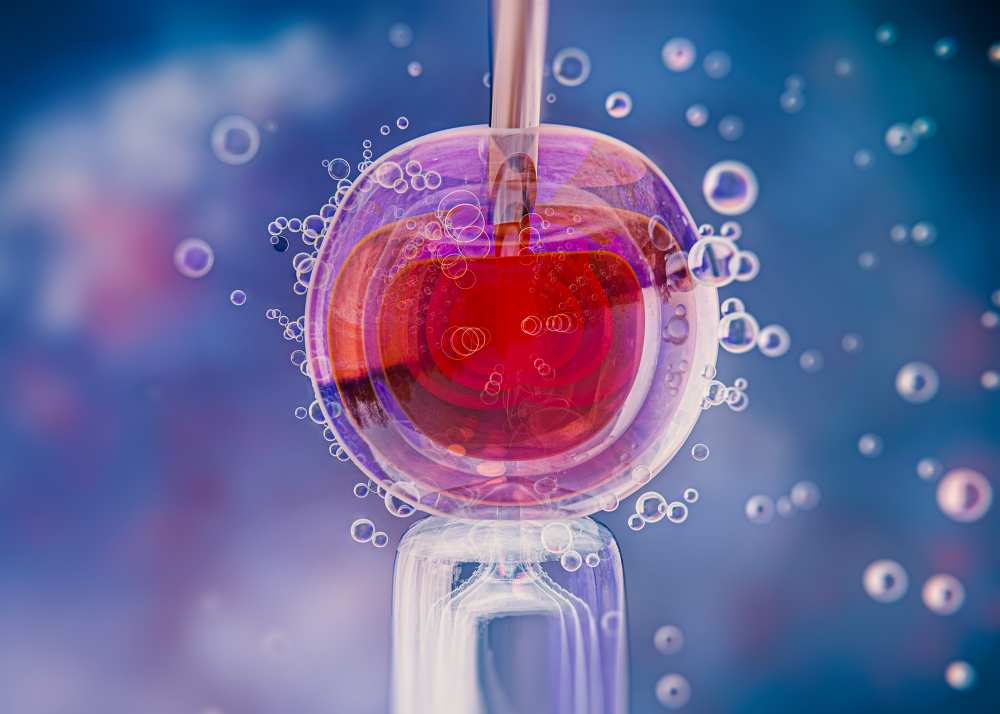
The specific cost of embryo freezing in Nepal varies depending on many factors. Some of the key factors affecting embryo freezing in Nepal are as follows:
Clinics with good reputation and those located in urban areas may charge higher than the ones in rural areas due to higher operational costs and demand. Additionally, clinics located in urban areas tend to have higher operational costs, which are reflected in their pricing compared to clinics in rural areas. Patients should consider these factors when selecting a clinic for embryo freezing to ensure they receive quality care that fits their budget.
The cost of embryo freezing also varies depending on the expertise and experience of the ones involved. The higher the experience and expertise of the ones involved, the higher the cost of embryo freezing. Clinics with highly experienced specialists and well-trained staff often charge higher fees due to their advanced skills and successful track records. The cost reflects the investment in professional expertise and the quality of care provided. Less experienced or less specialized clinics may offer lower prices, but it’s important to consider how the level of expertise can impact the overall success of the procedure.
Along with experience, the equipment and facilities used by the experts change the cost as well. Facilities with better equipment may charge higher than the facilities with low quality equipment. Clinics with advanced, state-of-the-art equipment and modern facilities typically charge higher fees due to the higher investment in technology and maintenance. Conversely, clinics with more basic or older equipment may offer lower prices. The reputation of a clinic is often linked to the quality of its facilities, as well-established clinics with high-quality equipment tend to be more expensive.
This is a simple one, as the cost of embryo freezing increases with the number of embryos required for storage. Freezing and storing a single embryo costs less, but storing multiple embryos can increase the price significantly. Additionally, annual storage fees also contributes to the added cost of embryos.
Along with the number of services, the cost of embryo freezing also increases along with the additional services used such as PGT, embryo biopsy, and embryo monitoring.
The clinics responsible for keeping the embryos frozen have their own charge, which changes the overall cost of embryo freezing. The cost of storage reflects the expenses associated with maintaining the embryos in optimal conditions. You should factor in these ongoing costs when budgeting for embryo freezing and consider how different clinics’ storage fees will impact their total expenditure.
These are the key factors that affect the overall embryo freezing costs in Nepal. Therefore, we cannot estimate the exact cost of embryo freezing in Nepal. However, we can offer you a general estimate of the cost. In Nepal, the overall cost ranges between 50,000 NPR to 70,000 NPR.

Key Qualifications: MBBS, MD General Medicine, MD Gynecology and Obstetrics
Experience: More than 35 years of experience
Dr. Devi Gurung is a highly experienced and well-known doctor all over Nepal with the experience of more than 35 years. She had earned multiple advanced qualifications, including an MD in General Medicine and an MD in Gynaecology & Obstetrics. Moreover, she started her medical journey by earning the MBBS degree. Her dual qualification helped her manage a wide spectrum of medical and gynaecological conditions.
Dr Gurung is famous for her compassionate approach, clinical excellence, and dedication to patient well-being. Throughout her career, she has made various contributions to medicine, such as advancing healthcare practices, mentoring younger professionals, and ensuring the highest standards of medical service. Due to this, she is recognized as one of the trusted doctors in Nepal.

Speciality: Laparoscopic Gynecology Surgery
Experience: As Gynecologist at Parapakar Maternity & Women’s Hospital (2013-15) | As Assistant Professor and Gynecologist at Dhulikhel Hospital (2015-2023)
Qualification: M.D, Gynecology/Obstetrics, Sun Yat-Sen University, Guangzhou, Guangdong, China, 2012 | MBBS, Xi’an Jiaotong University, Xi’an, Shaanxi, China, 2004
Dr Noora Pradhan is a professional and skilled doctor who is working at Venus Hospital. She started her medical journey by earning an MBBS from Xi’an Jiaotong University, Xi’an, China (2004). Furthermore, she had also pursued an MD degree in Gynaecology and Obstetrics from Sun Yat-Sen University, Guangzhou, China (2012) . To further enhance her expertise, she started working as a Gynaecologist at Paropakar Maternity and Women’s Hospital from 2013 to 2015. After that, she served in the position of Assistant Professor and Gynaecologist at Dhulikhel Hospital from 2015 to 2023.
She specializes in minimally invasive techniques for treating issues like fibroids, endometriosis, ovarian cysts, and various intricate gynecological conditions. Dr. Noora provides comprehensive care through a patient-centred approach, and surgical precision.
 Speciality – Gynecology
Qualification – MBBS, MD Obstetrics and Gynecology Fellowship in IVF and Gynecology Laparoscopy and hysteroscopy
Experience: More than 10 years as IVF Speciality
Passed Out University: MD (Obstetrics and Gynecology) Kathmandu University, Dhulikhel, 2011 | MBBS, Kathmandu University, Dhulikhel, 2005
Dr Suwal is an experienced gynaecologist and IVF expert having more than 10 years of experience at Venus Hospital. She also completed her MBBS from Kathmandu University, Dhulikhel in 2005. Following that, Dr Suwal also earned her MD degree in Obstetrics and Gynaecology from Kathmandu University, Dhulikhel (2011). To enhance her expertise, she further joined the fellowship training in IVF, gynaecological laparoscopy and hysteroscopy. This training helps her boost her skills in managing infertility, complex gynaecological conditions, and minimally invasive procedures.
Dr Suwal is successful in helping couples by providing ideal treatment to cure infertility. Furthermore, she also offers extensive care to every patient equally. She is well-known due to her compassionate approach, and patient-centred care.
Embryo freezing involves retrieving eggs, fertilizing them, and then freezing the resulting embryos for future use. This is done for several purposes, such as preserving fertility, enhancing the success rate for IVF, and more. That said, it is nearly impossible to determine the exact cost of this procedure as there are many factors that affect the overall cost. However, as per our estimation, the average cost of embryo freezing in Nepal ranges between 50,000 NPR to 70,000 NPR.
In this blog, we discussed the process, purpose, and cost of embryo freezing in Nepal. We hope you found this helpful. If you want further insights regarding IVF costs in Nepal and test tube babies, do check out some of our other blogs. If you want an expert egg-freezing service in Nepal, feel free to let us know at Venus Hospital, the best hospital in Nepal. Thank you for reading till the end.
The cost of embryo freezing varies depending on many factors but on average it ranges between 50,000 Npr to 70,000 Npr in Nepal.
The specific cost of egg freezing depends on many factors such as duration of egg freezing, the medications required, and other specifications. However the cost of egg freezing in Nepal typically ranges between Npr 50,000 to Npr 70,000.
Although some aspects of embryo freezing may be mildly uncomfortable, it is not really a painful experience.
Embryo freezing is extremely safe and is equivalent to using fresh embryos in a treatment.
The best age to freeze an embryo ranges between 27 and 34.
The best age for freezing eggs is in the late 20’s or early 30’s.
Yes, you can get it after freezing eggs. However, there are no guarantees. Regardless, the chances of being pregnant are still high.
As long as the frozen embryos are stored well, they do not expire. However, improper storage can lead to the degradation of embryos quite quickly.
No, 30’s is not too late to freeze eggs. The eggs still have a high viability in the early and mid-30s. However, they do have a lesser chance of successful fertilization after the late 30’s.