24*7 365 days
24*7 365 days

High blood pressure issues plague the lives of millions of people worldwide, and most of these people are not even aware that they have it. HBP may not have any obvious symptoms during the initial stages, but over time, it may silently destroy your heart and blood vessels among other important body organs. That is why it is also referred to as the silent killer. According to western data around 47%of the general population has hypertension. Therefore, understanding what blood pressure is, why it is important and the need to check it regularly can make a big difference. Simple lifestyle habits and early awareness can be used to avoid severe health issues and safeguard your future well-being.
In this blog, we shall provide you with insights on various aspects of High Blood Pressure including why HBP is called a silent killer, some common causes, when you should see a doctor and more.

Hypertension or high blood pressure is a condition that usually does not manifest itself and develops gradually. Even though your body and mind are operating at their usual level, you might have a silent stressor of high pressure that is slowly damaging your heart, brain, kidneys, and blood vessels.
As the symptoms are often not present, most individuals only discover that they have high blood pressure when a severe health condition arises, including:
It is this insidious development that makes high blood pressure so dangerous. However, early detection and prevention of life threatening complications can be achieved through regular blood pressure checks.
Hypertension is commonly divided into primary hypertension and secondary HTN.primary HTN the most common one is typically acquired with time as a result of the combination of lifestyle choices and predisposing factors. Your blood pressure is heavily influenced by daily habits, eating habits and stress. Knowing these prevalent causes can enable you to take early preventive measures to control and prevent hypertension.
High blood pressure is caused by some of the most common causes including:
In Nepal, shifts in lifestyles, increased consumption of processed foods, and rising work-related stress are key factors contributing to higher rates of hypertension. Some of the secondary causes include primary kidney disease,renovascular,endocrine,obstructive sleep apnoea,
High blood pressure is often called a silent condition because many people do not feel sick or notice any clear symptoms, especially in the early stages. Blood pressure can remain high for years without causing obvious discomfort, quietly affecting the body. However, when blood pressure rises to unsafe levels or begins to affect vital organs, certain warning signs may start to appear. Paying attention to these signals is important, as early action can help prevent serious health problems.
These symptoms may include:
If these symptoms recur, check your blood pressure as soon as possible and seek medical advice if needed.
Blood pressure may also be monitored at home on a blood pressure monitor or it can be checked by visiting hospitals or clinics or even pharmacies. Measuring your blood pressure regularly will help you understand your normal level and detect any changes early. Doing so allows you to easily manage your health, follow your doctor’s recommendations, and reduce the risk of severe complications associated with high blood pressure.
In order to have a proper reading, it is important to observe the following simple tips:
In Nepal, there are reliable blood pressure machines easily available today and therefore it is affordable and easy to monitor your blood pressure.
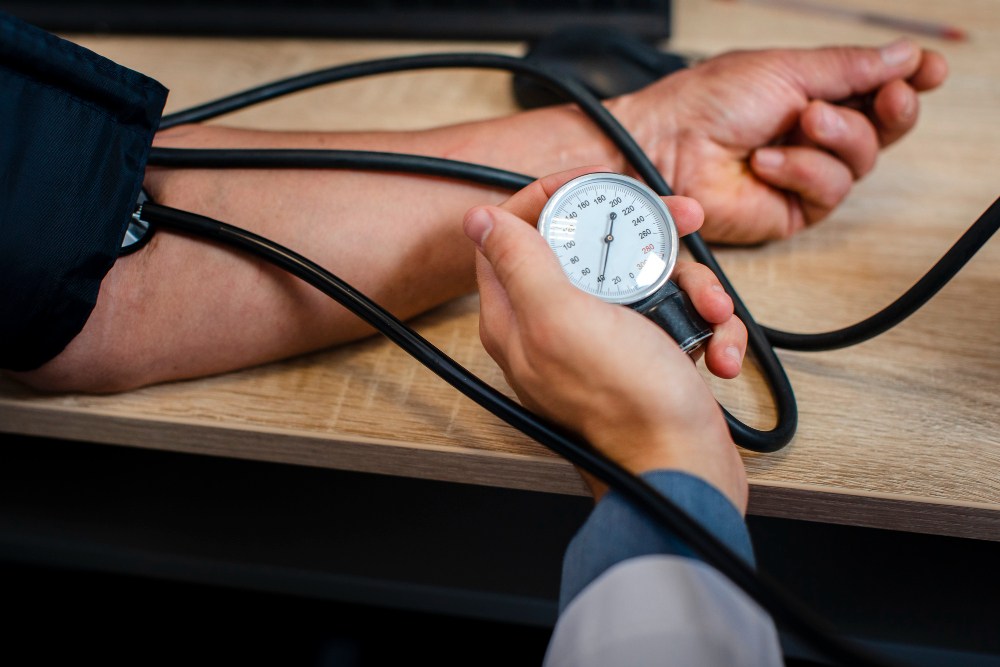
The blood pressure readings are in the form of two numbers and it is important to understand these numbers in order to know whether your blood pressure is normal or not. The first figure is the pressure at which your heart beats and the second figure is the pressure at which your heart takes a rest between beats. Being aware of your reading level can enable you to make the appropriate measures to safeguard your health.
When your blood pressure levels do not drop with time, it is highly advisable to consult a doctor so that he can advise and take good care of you.
When uncontrolled, high blood pressure is dangerous when it is sustained over a long period of time. The force of blood pushing against the walls of the arteries is constant, and thus the heart is forced to work more than usual, and gradually destroys the blood vessels. This constant tension has an impact on the efficiency of the organs in terms of oxygen and nutrition uptake, a situation that may cause severe health issues in the long run. Because the damage occurs over time and, in most cases, painlessly, individuals are not aware until complications arise.
Uncontrolled high blood pressure can affect:
Due to these risks, it is necessary to identify and treat high blood pressure in the early stages to maintain long-term health.
You should consult a doctor in case you observe the signs of high blood pressure or in case your readings remain high in the long run. Early medical consultation can be used to avoid severe health issues before they occur.
You need to see a doctor when:
Preventive medicine and good advice will save your heart, kidneys and wellbeing in the long term.
Venus Hospital offers quality services in the management of high blood pressure by highly qualified general physicians. The physicians of the Venus Hospital collaborate with every client to develop individual treatment programs that suit their health requirements and lifestyle. Not only do we provide frequent check-ups of blood pressure, but also provide viable advice on diet, physical activity, and daily routine to manage hypertension. This holistic treatment method will provide patients with the help they require to control their blood pressure and mitigate the risk of severe health issues.

Dr. Parimal Koirala is a very reputable general physician in Venus Hospital who has more than ten years of experience. In 2016, he earned his MD in Internal Medicine at the National Academy of Medical Sciences, Kathmandu, and has other fellowship training in Echocardiography, which provides him with good knowledge of heart health.
Dr. Koirala is a specialist who manages a broad range of conditions, including hypertension, diabetes, heart disease, and respiratory diseases. His evidence-based approach, accuracy, and handling of complex cases are known. His coolness, effective communication, and emphasis on long-term health are valued by patients.

Dr. Samrat Shrestha is an experienced general physician in the Venus hospital. He attained his MD in Internal Medicine in the National Academy of Medical Sciences, Bir Hospital in 2019. Dr. Shrestha has also been trained in rheumatic and autoimmune diseases and this is one of the reasons why he is experienced in handling complicated health conditions.
Dr. Shrestha is a hypertension, diabetes, heart and respiratory disease and autoimmune disorders physician. He emphasizes early detection, prevention and individual care. His professionalism, the urge to be up to date with the latest trends in the medical sector, and his credence to quality healthcare are valued by patients.
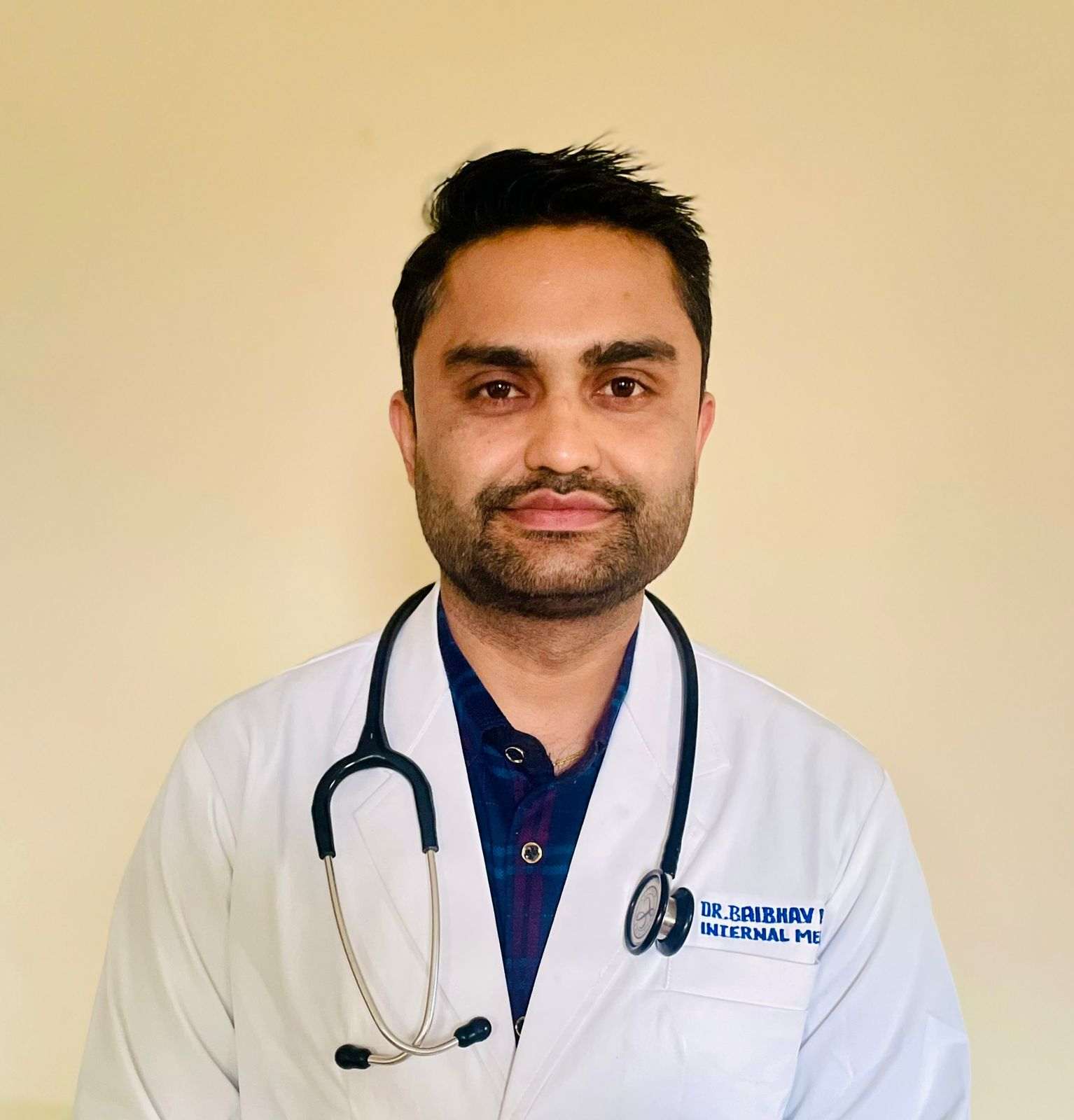
Dr. Baibhav Pandey is a seasoned general physician in the Venus Hospital having more than ten years experience. A graduate of the National Academy of Medical Sciences, Bir Hospital, Kathmandu, with an MD in Internal Medicine. He has further served in a number of hospitals in Nepal where he has developed a lot of experience in emergency care, chronic diseases, and cardiovascular diseases.
Dr. Pandey is reputed to be a cautious and caring patient. He is focused on evidence-based treatment plans tailored to each patient’s needs. His extensive experience, including life support and specialized medical training, enables him to manage a wide range of medical conditions.
The blood pressure is not visible, but its effects are. Regular check-ups, healthy way of life and early medical intervention can prevent serious health complications such as heart diseases, stroke and kidney related complications. It is not necessary to wait till you get symptoms; measure your blood pressure regularly and take charge of your health today.
For those seeking professional care, Venus Hospital provides one of the best high blood pressure treatments in Nepal. A set of qualified general physicians, their own care plans, and instructions on lifestyle and medication allow patients to effectively cope with hypertension and protect their health in the long term at Venus Hospital.
Yes. High blood pressure does not always have symptoms and that is why many individuals are not aware that they have it. It is also necessary to check regularly to reveal it in time and avoid complications.
Adults are recommended to monitor their blood pressure at least once in 6-12 months. In case you already have hypertension, your physician can prescribe more regular check-ups.
Not always. Lifestyle changes such as diet, exercise, and stress management help some individuals to control or reduce their blood pressure. Some of them might need long-term medication to control it.
Yes. Venus Hospital has had doctors who specialize in diagnosing and treatment of high blood pressure. They develop individualized treatment regimes to assist patients to cope with their condition.
Yes. Venus Hospital provides regular blood pressure check and follow-up services to help patients keep up with their treatment and have their blood pressure under control.