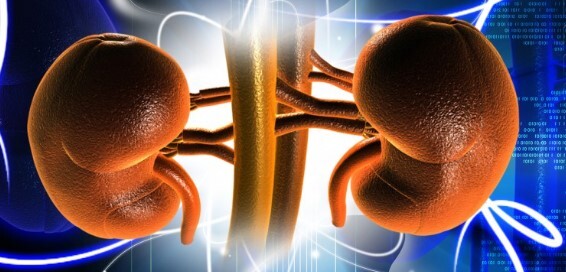
With increased changes in lifestyle and food habits, kidney-related diseases have been increasing due to the adoption of poor diet, lifestyle, health conditions, and habits. The kidney plays an important role in filtering waste, managing blood pressure, and balancing body fluid. When the kidney function deteriorates it may cause serious health issues affecting the well-being of individuals.
While kidney health deteriorates, it is very important to consult with a nephrologist to prevent further damage and cure the issue. They perform diagnostic tests such as blood tests, urine tests, kidney biopsies, and imaging tests to diagnose conditions such as chronic kidney disease, acute kidney injury, diabetic nephropathy, kidney stones, and Glomerulonephritis.
Venus Hospital has become one of the best healthcare providers in Nepal in providing the best kidney treatment. Incorporating experienced doctors or experts along with advanced technologies and facilities, they provide quality and affordable treatment. This blog explains the importance of kidney health and the role of nephrologists in preventing and curing kidney diseases.
What Is A Nephrologist?
Nephrologists are doctors who specialize in the diagnosis and treatment of diseases or conditions related to the kidney. Similarly, a pediatric nephrologist focuses on the diagnosis and treatment of kidney conditions and diseases in newborns, children, adolescents, and young adults.
As experts in kidney care, nephrologists specialize in managing and treating kidney functions such as hypertension(High blood pressure), fluid retention, and electrolyte and mineral imbalances. They identify issues and symptoms of kidney conditions of the patient, such as chronic kidney disease, kidney infection, and kidney failure.
Furthermore, nephrologists are in charge of treating and managing patients who require dialysis and kidney transplants. Also, they collaborate with other doctors, such as urologists, cardiologists, endocrinologists, and other physicians, to provide extensive care and treatment.
What Does A Nephrologist Do?

As an expert renal or kidney health expert, nephrologists diagnose and treat kidney diseases and conditions while also managing other diseases that affect the health of the kidney. In addition, they also recognize the effect of kidney-related conditions and diseases on other body parts.
Some of the key responsibilities the nephrologists have as renal health experts are:
- Diagnosing kidney-related issues: Nephrologists perform various diagnostic tests and examinations to analyze and identify the problem in the kidney. They perform and evaluate tests such as blood tests, urine tests, Kidney biopsies, and various imaging tests to find out the kidney’s health and conditions.
- Treating kidney-related issues: Following diagnosis of the kidney, nephrologists treat various issues and conditions. They manage and treat chronic kidney disease, loss of kidney function due to infections and toxins, kidney stones, inflammation of the kidney, polycystic kidney, and electrolyte imbalance.
- Managing hypertension: The renal experts also manage hypertension or high blood pressure that can severely impact the kidneys. They prescribe medications and advise changes in lifestyles and habits to manage blood pressure to prevent damage to the kidney.
- Dialysis management: After the failure of kidney function, dialysis is done to filter the waste and excess fluids from the blood. Nephrologists manage and oversee the dialysis treatment for patients having kidney failure conditions to maintain balance in the patient’s body.
- Kidney transplant: Nephrologists oversee and manage the kidney transplant process of the patient with kidney failure requiring a kidney transplant. They evaluate the eligibility of patients for kidney transplants while monitoring the transplant recipients for organ rejection. Also, they prevent immune system attacks on the transplanted kidney by providing medication and constant monitoring.
- Managing kidney disease progression: Nephrologists help in slowing down kidney disease progressions through medication and managing the condition that affects the kidney. They suggest healthy lifestyles for patients that minimize the impact on the kidney to increase its life.
Common Conditions That A Nephrologist Treats
Nephrologists specialize in diagnosing and treating kidney-related diseases and conditions impacting the overall health of the patient. Some of the common conditions that a Nephrologists treats are:
- Chronic Kidney Disease: Nephrologists treat chronic kidney diseases that are commonly caused by conditions such as diabetes, high blood pressure, or genetic disorders. Since chronic kidney disease loses proper kidney functioning, these renal experts prescribe medication, suggest lifestyle changes, and dialysis treatment in severe conditions.
- Acute Kidney Injury: These renal experts also treat acute kidney injury, which limits and declines the function of the kidney, commonly caused by dehydration, infection, medications, and severe illness. Through prescribing medications and temporary dialysis, the acute kidney injury is treated.
- Diabetic Nephropathy: Nephrologists treat diabetic nephropathy, which affects kidney blood vessels due to high levels of blood sugar. The issue is treated by prescribing blood sugar medication and suggesting a healthy diet.
- Hypertension: The common condition of hypertension is treated or managed by the renal health expert to protect kidney function. They also suggest the adoption of lifestyle and prescribe medications for controlling blood pressure.
- Polycystic Kidney Disease: Polycystic kidney disease is caused by to genetic disorder in which there is the formation of cysts in the kidney. The issue may lead to pain, kidney enlargement and even failure of the kidney. Nephrologists manage the condition by monitoring the function of the kidney and managing hypertension by prescribing medication and suggesting lifestyle changes.
- Glomerulonephritis: Glomerulonephritis is the condition of inflammation of the kidney’s filtering units glomeruli caused due to infections, autoimmune diseases, and genetic conditions. A nephrologist treats this issue by suggesting steroids, immunosuppressants, and dialysis treatment if the case is severe.
- Kidney Stones: Kidney stones are treated by nephrologists by prescribing medications, suggesting healthy lifestyles, and performing surgeries if necessary.
Also Read: Best Hospital For Kidney Stone Treatment In Nepal
When To See A Nephrologist?

As we know, prevention is better than cure, it is very crucial to adopt a healthy lifestyle to prevent kidney disease and conditions. The kidney plays an important role in waste filtering, balancing body fluid, and maintaining blood pressure. Factors like poor food habits, dehydration, genetic factors, and excessive use of medication may lead to developing kidney problems.
In case you experience the following signs and symptoms, it is advised to consult nephrologists:
- Persistent swelling: If you feel the persistent swelling of legs, feet, ankles, and hands, that might be a symptom of edema caused by an issue in the kidney.
- Urination: In case you feel the need for frequent urination, foamy urination, and encountering blood in the urine, you may be required to consult a nephrologist.
- Family history: If you have a family history of kidney-related diseases and issues, then it is recommended to consult with a kidney expert as kidney diseases are hereditary.
- Pain: If you feel consistent pain in the lower back near the sides of the kidney, it will be better to consult with a kidney expert.
- Periodic examination: You can visit kidney experts to assess the health of your kidneys periodically to ensure they are healthy.
A kidney expert conducts various tests, including blood tests, urine examinations, imaging studies, etc, to scan and assess the health of the kidney. If you feel or realize any signs and symptoms regarding kidney diseases, visit nephrologists as they help to slow down the progression of kidney disease along with reducing the risk of associated complications and risks.
What Are The Symptoms Of Nephrology?
Following the importance of consulting a nephrologist while experiencing kidney disease and conditions, it is very important to know the signs and symptoms of nephrology first. A person may experience various signs and symptoms while developing kidney diseases and issues. With further damage or decline in kidney health, these symptoms may elevate more.
Below are the signs and symptoms of nephrology:
- Persistent swelling: If you feel the persistent swelling of legs, feet, ankles, and hands, that might be a symptom of edema caused by an issue in the kidney.
- Urination: In case you feel the need for frequent urination, foamy urination, and encountering blood in the urine, you may be required to consult a nephrologist.
- Hypertension: It is suggested to visit and consult with the doctor if you experience high blood pressure despite medication.
- Weakness and fatigue: The frequent and continuous cause of weakness and fatigue might be due to toxin buildup and anemia. Consult with a health care expert as this can be a symptom of kidney disease.
- Nausea, vomiting, and loss of appetite: The feeling of nausea, vomiting, and loss of appetite can be the signs and symptoms of damage and issues related to the kidney. In such a situation, it is better to consult with a medical professional for further assessment.
- Muscle cramps: There might be an increased probability of muscle cramps or twitching due to improper kidney function due to electrolyte imbalance. Consult with nephrologists immediately in this case for diagnosis and preventive measures.
Various other non-specific signs and symptoms might exist due to the presence of kidney-related issues and diseases. In many cases, you may not get signs and symptoms until irreversible damage has occurred. Hence, it is advised to adopt a healthy lifestyle and always consult with experts for diagnosis and cure.
Best Nephrologist In Nepal For Kidney Disease Treatment
Nepal has highly expert nephrologists having experience in the diagnosis and treatment of kidney diseases, prevention, and cure. With advanced medical technology, these renal experts provide top-class treatment and the best cure for patients suffering from kidney-related diseases.
The best nephrologist in Nepal for Kidney disease treatment is mentioned below:
Dr. Midhan Shrestha

Qualification:
- MBBS, MD, DM (Nephrology)
OPD Time: 8 AM to 9 AM (SUN – FRI)
Dr. Midhan Shrestha is a highly experienced consultant nephrologist doctor and renal transplant expert. He holds an MBBS degree, an MD in internal medicine, and a DM in nephrology. Specializing in diagnosing and treating kidney diseases, he has expertise in acute and chronic kidney disease, management of dialysis, and kidney transplantation.
What Kind Of Tests Does A Nephrologist Do?
A nephrologist performs various tests to examine the kidney’s health, function and diseases. These tests help in determining the performance of kidneys and treatment measures. Below are some common kinds of tests that are performed by nephrologists:
- Blood test: Nephrologists perform the blood test to analyze the level of serum creatinine test, blood urea nitrogen test, glomerular filtration rate, and electrolyte panel tests to evaluate kidney functioning, assess nitrogen amount in kidney, waste filtration, and examine levels of sodium, potassium, calcium, and phosphorus.
- Urine test: Urine tests are done to detect protein, blood, and abnormalities in urine that might indicate kidney disease.
- Imaging tests: Imaging tests involve the tests of the kidney using ultrasound to detect cysts, stones, and other abnormalities. The tests also involve CT scans or MRIs, which can diagnose tumours and abnormalities.
- Kidney Biopsy: This test involves the examination of the kidney via taking a sample of the kidney to detect inflammation and other conditions like glomerulonephritis and lupus nephritis.
Besides these, various other tests and scans are performed by the renal expert to assess and evaluate the kidney condition. Through performing such tests, nephrologists can diagnose kidney diseases and provide appropriate treatment plans for better kidney health.
What Can You Do To Keep Kidneys Healthy?
Kidney health is very important for quality of life and well-being as they are an important organ for filtering waste, balancing fluids, and regulating blood pressure. By adopting healthy habits and lifestyles, you can keep your kidneys healthy and reduce risks. Here are a few habits you can adopt for healthy kidneys:
- Prioritize Healthy Foods: A well-balanced, healthy diet can be helpful for the proper function of the kidney. Diets including fruits, vegetables, protein, and whole grains are to be consumed more while minimizing the intake of sugar, excess salt, and processed food. Also, drink plenty of water to stay hydrated as it helps in healthy kidney function.
- Physical Activity: Involvement in physical activities such as running, jumping, cycling, jogging, yoga, and other strength training exercises can help enhance kidney health. This exercise helps in healthy blood circulation, manages blood pressure and lowers the cause of diabetes, which helps to keep the kidneys healthy.
- Maintain a Healthy Weight: It is very crucial to maintain a healthy and balanced weight in the body since being overweight might increase the risk of various diseases. Being overweight may increase the chances of diabetes and high blood pressure, which may affect the kidneys.
- Sleep Well: Sleep is as important as maintaining a healthy diet and performing physical activity since it helps the body maintain and repair essential functions. As poor sleep may cause metabolic disorders and hypertension, it can lead to kidney disease, and adequate sleep is a must.
- Avoid Smoking and Drinking: Since smoking affects the supply of adequate oxygen to the body, it can lead to hypertension, which may affect the kidneys. Similarly, drinking excessive alcohol may also lead to dehydration and buildup of toxins in the body, which may hamper the function of the kidney. Hence, it is always recommended to quit smoking and limit the consumption of alcohol for healthy kidneys.
What Is The Difference Between A Nephrologist And A Urologist?
Most people often believe that nephrologists and urologists are the same due to similar areas of expertise in certain situations. However, it is a fact that nephrologists and urologists are different, although their expertise overlaps in certain situations.
While Nephrologists primarily focus on diagnosing and treating kidney-related conditions and diseases, urologists primarily focus on diagnosis and treatment of urinary systems. Nephrologists use medications, dialysis, and dietary changes to treat kidney diseases and don’t perform surgery. Meanwhile, urologists use both surgical and non-surgical treatment for urinary and reproductive system problems, including removing kidney stones.
If you have problems related to chronic kidney disease, hypertension affecting the kidney, kidney failure, and require dialysis, refer to Nephrologists. In contrast, if you require consultation and treat kidney stones, urinary tract infections, and other reproductive health problems, refer to a urologist.
| Condition |
Nephrologists |
Urologists |
| Chronic Kidney Disease |
Yes |
No |
| Kidney failure and dialysis |
Yes |
No |
| Kidney stone |
If medical intervention required |
If surgical intervention required |
| Kidney infection |
Yes |
Yes |
| Urinary tract infection |
No |
Yes |
| Reproductive health issue |
No |
Yes |
Venus Hospital: Best Nephrology Hospital For Kidney Disease Treatment
Venus Hospital is one of the leading medical institutions specializing in kidney disease treatment of nephrology. With excellent patient care, advanced medical technology, and expert doctors, Venus Hospital has been the primary choice of patients for the treatment of kidney-related issues and diseases.
Here are some reasons for Venus Hospital is one of the best nephrology hospitals for kidney disease treatment in Nepal:
- Expert and specialized nephrologist services: Venus Hospital offers expert nephrologists, including Dr. Midhan Shrestha, who is known for having specialization in diagnosing and treating kidney diseases; he has expertise in acute and chronic kidney disease, management of dialysis, and kidney transplantation.
- Modern infrastructure: Venus Hospital provides modern dialysis, imaging, and laboratory facilities for effective diagnosis and treatment of kidney-related conditions.
- Quality care and affordability: Quality care and affordability are some of the key factors that a patient wants when opting for the best medical treatment. Venus Hospital offers high-quality and affordable diagnostic tests and treatments that are accessible to patients in Nepal.
- Expert counseling: Venus Hospital provides expert counseling to patients and families regarding the treatment process and procedures. Every detail and process of the treatment are explained to ensure the patient and families are well informed to make decisions.
- Kidney disease management: Through diagnosis and early detection of kidney-related problems and providing preventive cures, Venus Hospital focuses on providing best health service to promote long-term kidney health.
Hence, Venus Hospital has been providing affordable and high-quality diagnostic and treatment for kidney patients. Through expert surgeons, modern technologies, and quality patient care, it ensures the best outcomes for patients.
Conclusion
Kidney health is very important for the quality of life and well-being of an individual. Adopting a healthy diet and healthy habits are key to maintaining the functioning of the kidney. If you are having signs and symptoms such as persistent swelling, abnormal urination, hypertension, weakness and fatigue, nausea, vomiting, and loss of appetite, consult with nephrologists.
Nephrologists perform diagnosis and treatment of chronic kidney disease, acute kidney injury, diabetic nephropathy, hypertension, polycystic, kidney stones, and Glomerulonephritis. Various diagnostic tests such as blood tests, urine tests, kidney biopsies, and imaging tests are conducted to diagnose these issues.
In this blog, we have provided you with information on kidney-related issues and the role of nephrologists in effective diagnosis and cure. If you want to know more about any other health condition and the best treatment, do check out some of our other blogs. Visit Venus Hospital if you want a nephrologist’s consultation and cure regarding kidney diseases.
Other Related Blogs:
FAQs On Nephrologist’s Guide
1. What Services Does Venus Hospital Provide in the Nephrology Department?
Venus Hospital provides various kidney care treatments, from early-stage management to advanced therapies and dialysis transplantation in the nephrology department. Further service includes:
- Providing follow-up care for kidney transplant recipients
- Managing primary hypertension and its renal complications
- Addressing secondary renal conditions
- Conducting kidney function testing
- Managing chronic kidney disease
- Offering Dialysis Services
- Conducting kidney transplant evaluations and follow-ups
- Managing hypertension
2. Which Dr is best for the kidney?
One of the best doctors for the diagnosis and treatment of kidney disease is Dr Midhan Shrestha. Dr. Midhan is a highly experienced consultant nephrologist doctor and renal transplant expert. He holds an MBBS degree, an MD in internal medicine, and a DM in nephrology. Specializing in diagnosing and treating kidney diseases, he has expertise in acute and chronic kidney disease, management of dialysis, and kidney transplantation.
3. Who is the number 1 nephrologist in Nepal?
Dr. Midhan Shrestha is one of the top nephrologist doctors in Nepal with extensive experience in diagnosing and treating kidney diseases. With expertise in acute and chronic kidney disease, management of dialysis, and kidney transplantation, Dr Midhan offers the best solution and cure for the patient.
4. Which hospital is best for kidney disease?
Venus Hospital is the best hospital for kidney diseases since it offers advanced diagnosis and treatment of kidney diseases at an affordable cost. The hospital provides follow-up care for kidney patients, conducts kidney function testing, offers dialysis services, manages hypertension due to kidney problems, and manages chronic kidney diseases.