24*7 365 days
24*7 365 days
Issues such as piles, fissures, and fistulas are among the major problems causing discomfort, pain, and embarrassment to the patient. These health conditions are caused due to several factors, including food habits, injury, lifestyle, and history of illness. Meanwhile, pain in the anorectal area, blood during bowel movement, formation and swelling of lumps and tissues, tearing of perianal muscle, etc, can be its symptoms and signs.
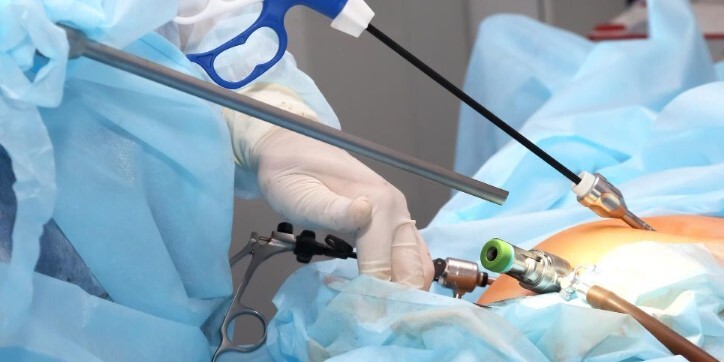
In the present age, the use of innovative laser treatment procedures has been introduced to treat such anorectal conditions via laser surgery. It has become a revolutionary solution for treating these conditions, offering a less invasive, precise, and effective approach compared to traditional surgical methods.
Venus Hospital has become one of the best healthcare providers in Nepal in terms of laser surgery treatment for piles, fissures, and fistulas. Incorporating experienced doctors or experts along with advanced laser technology, quality, and affordable services, Venus Hospital provides treatment with minimal pain and quick recovery. This blog explains the benefits of laser treatment and surgery for the treatment of anorectal conditions and the procedures involved in the treatment.
Laser surgery is an innovative medical intervention in which surgery is done using laser beams without the requirement of traditional invasive surgical procedures. In this procedure, the use of intense beam light produced by the laser is done to cut the tissue, burn and vaporize the unwanted tissue, and seal the blood vessels or nerve endings to minimize pain and bleeding.
Various types of lasers are used depending upon the need and requirement of surgery. The most common types of laser used during surgery are Co2 laser, Nd: YAG lasers, and Argon lasers. Medical intervention done using laser surgery has aided in reducing surgical complexity by minimizing post-surgery pain, reducing the risk of infection, faster recovery period, and less pain-minimizing surgical scars.
In modern medical practice, various medical departments use lasers for surgery due to their reliability and efficiency. The laser provides precision, a lesson in the requirement of incisions and stitches minimizing pain and recovery time to the patient. The types of surgeries that use laser consists of the following:
Furthermore, laser surgeries are also used in many other medical fields, including but not limited to gynecology, dentistry, and neurosurgery.
Piles, fissures, and fistula refer to the anorectal condition that impacts the anorectal area by causing pain, discomfort, and bleeding. These conditions may give identical symptoms but they are different conditions having different causes and treatments.
Hemorrhoids, generally referred to as piles, are a situation in which the blood vessels located in the anorectal area are inflamed and swollen. The condition initially leads to painless bleeding throughout bowel movements, which later aggravates discomfort and pain. Piles also bring an itching sensation in the anal region. Piles are categorized into various types, such as:
Meanwhile, fissures are a condition in which small tears are formed in the skin around the anal region, causing pain and discomfort during the bowel movement. Fissures can cause pain and may cause bleeding as well as muscle contraction in the anal area.
Similarly, fistula is a condition in which an abnormal tunnel-like connection between the anal canal and skin near the rectum. It is formed due to the presence of cysts or abscesses in the anal region, causing passage for pus and fluids to drain out.
Piles are generally caused by the stretching of the veins around the rectal area, leading to bulge and swelling. Some of the reasons that lead to piles are:
Fissures are caused due to various factors that lead to excessive pain, bleeding, and discomfort. The common reasons of causing fissures are:
Fistulas are common anorectal conditions caused commonly due to abscesses formed by infection in perianal glands. There are various causes and reasons leading to fistula, and some of them are:
Furthermore, various other reasons and causes may lead to anorectal conditions like piles, fissures, and fistulas. Always analyze the symptoms of such conditions and immediately seek medical attention for early diagnosis treatment. Early intervention surely helps to manage discomfort and elevation of the condition.
Following the cause and reasons, it is very important to look at the signs and symptoms of anorectal conditions like piles, fissures, and fistulas. The symptoms may vary depending on the conditions and stages. Some of the symptoms of these anorectal conditions are:
Furthermore, other symptoms may exist, and in many cases, the patient might not encounter any visible symptoms of piles.
While symptoms of anorectal conditions may differ in terms of severity and presentation, it is very important to recognize them for early diagnosis and treatment. Timely medical intervention can help eradicate severe complications, discomforts, and pain.
For proctological conditions such as piles, fissures, and fistula, laser surgery gives significant benefits due to its precision, effectiveness, and less invasive features. In contrast to the traditional surgery process done by large incision through cuts, laser surgery uses a laser to cut and burn tissues with fewer incisions and more effectiveness. Some of the key benefits of laser surgery for piles, fissures, and fistula are:
Furthermore, laser surgery gives various benefits offering safer, quicker, and effective treatment of conditions such as piles, fissures, and fistulas. Laser surgery has been a blessing in the medical field by improving the quality of life and comfort of patients.
Now that you are informed about piles, fissures, and fistulas, their symptoms, and the importance of early medical intervention, we are also providing details about some of the best doctors in Nepal for treating these anorectal conditions below:

Qualification:
Experience:
OPD Time: On-Call
Dr. Ghanashyam Thapa is a highly experienced general and laparoscopic surgeon with more than decades of experience. He holds an MBBS and MD in General Surgery with a specialization in piles treatment, fissures, and fistulas. Having expertise in minimally invasive and laser surgery, he gives consultation and treatment for anorectal conditions for faster recovery and minimal discomfort for patients.

Qualification:
Experience:
OPD Time: Everyday from 4 PM to 6 PM
Dr. Rajiv Nakarmi, with 8 years of experience as a general surgeon and having fellowship in GI minimal-invasive surgery, is one of Nepal’s top laparoscopic surgeons. Dr. Nakarmi holds an MBBS from China’s Xinxiang Medical University and an MS in General Surgery from Kathmandu University. Dr. Nakarmi is registered with the Nepal Medical Council (NMC No. 8518) and provides expert care in minimally invasive procedures. For consultations, he is available every day from 4 PM to 6 PM.
Qualification:
Experience:
OPD Time: On call
Dr. Srikant Agrawal is a skilled general surgeon with expertise in laser treatment for piles, fissures, and fistulas. His specialization in minimally invasive procedures ensures effective treatment with reduced pain, faster healing, and lower chances of recurrence. He is known for providing patient-centred care and modern surgical approaches for anorectal disorders.
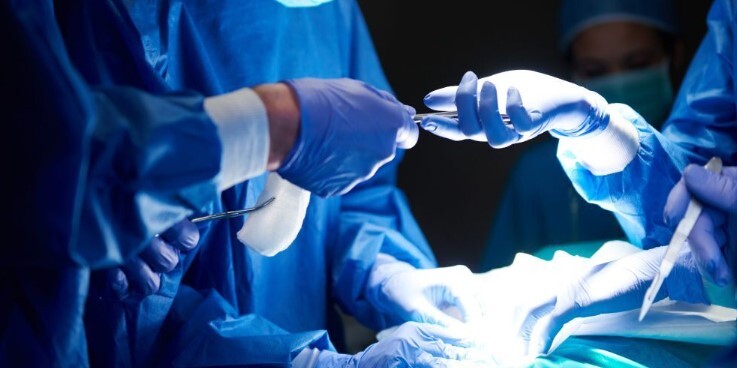
Laser surgery plays a vital role for the treatment of piles, fissures, and fistula due to its precision, effectiveness, and less invasive features. Laser surgery is less painful, and helps in faster recovery of the patient reducing the complications after the surgery. Various processes and procedures used while performing for different anorectal issues are discussed below.
Laser treatment for piles also referred to as laser hemorrhoidectomy, is an innovative surgical intervention used to address the pain and complications caused by piles. This procedure involves concentrating the laser beams to cut, burn, and shrink hemorrhoidal tissues.
Minimum invasive procedure minimizes cuts and wounds, which decrease the chance of infection and post-surgery complications. Due to the accuracy and greater precision of laser treatment, this reduces the damage to the surrounding anorectal or perianal area during the surgery.
While performing laser surgery for piles, the following procedures are followed:
For fissures, the use of laser surgery is done to reduce the tension in the rectal sphincter for quick healing of the tear. The laser surgery provides quick relief preventing further damage to the tissues. The following are the procedures followed in laser surgery for fissures:
Similarly, laser treatment is used to treat fistula, where the surgeon uses a laser beam to seal the fistula tract to eliminate infections and the chance of recurrence. Laser surgery ensures quick recovery and minimal pain during and after surgical intervention to the patient. While performing laser treatment for the fistula, the following procedures are followed:
Venus Hospital is best and renowned for the laser treatment of piles, fissures, and fistulas in Nepal. With excellent patient care, advanced medical technology, and expert surgeons, Venus Hospital has been the primary choice of patients for the treatment of various conditions and diseases.
Some of the reasons constituting Venus Hospital becoming the best laser treatment provider in Nepal are:
Hence, Venus Hospital has been providing affordable and high-quality laser treatment relieving patients from severe anorectal conditions. Through expert surgeons, modern technologies, and quality patient care, it ensures the best outcomes for patients.
Laser surgery is the surgical technology used in various medical faculties like protozoology, dermatology, ophthalmology, and urology. Such innovative surgical intervention is used to cure anorectal conditions such as piles, fissures, and fistulas caused by several factors, including food habits, injury, lifestyle, and history of illness. Laser surgery has been the preferred medical intervention technique due to its high efficiency and effectiveness in comparison to traditional invasive surgery procedures. The revolutionary laser treatment has offered several benefits to patients by offering speedy recovery, pain reduction, less invasive surgery, and through giving optimal accuracy and effectiveness.
In this blog, we have provided you with information on anorectal conditions and the use of laser treatment for effective cure. We hope you found this helpful. If you want to know more about any other health condition and the best treatment for it, do check out some of our other blogs. And for the best laser surgery in Nepal, look no further than Venus Hospital.
Other Related Blogs:
Venus Hospital is one of the best healthcare providers in providing laser treatment for curing anorectal conditions like piles, fissures, and fistulas in Nepal. Venus Hospital provides experienced doctors and experts, modern technologies, and quality care affordably and safely to the patient. With a proven record of successful laser surgeries, Venus Hospital assures effective treatment of anorectal conditions with a minimal rate of recurrence.
Laser treatment is done in Venus Hospital using the latest laser technologies by highly experienced and skilled surgeons. During the laser treatment, various procedures, such as the application of anesthesia and using lasers in affected areas, minimize pain and bleeding for further recovery. The treatment process is minimally invasive, due to which patients can return home the same day.
In Nepal, Venus Hospital provides the best doctors specializing in laser surgeries for anorectal conditions like piles, fissures, and fistulas. Expert doctors like Dr. Ghanashyam Thapa, Dr. Shreedhar Aryal, Dr. Rajiv Nakarmi, and Dr. Srikant Agrawal are among the best doctors having plenty of experience in laser surgeries in Nepal.
Yes, laser surgery is an excellent option for treating fistulas. The surgeon uses a laser beam to seal the fistula tract to eliminate infections and the chance of recurrence. Laser surgery ensures quick recovery and minimal pain during and after surgical intervention for the patient.
For treating piles and fissures, laser surgery will be considered as best since this procedure involves concentrating the laser beams to cut, burn, and shrink hemorrhoidal tissues in case of piles and reduce the tension in the rectal sphincter for quick healing of the tear in the cause of fissures. Minimum invasive procedure minimizes cuts and wounds, which decrease the chance of infection and post-surgery complications.
For the treatment of piles, laser surgery is the most effective and best treatment. However, in certain cases, there is the possibility of piles to reoccur if proper diet, healthy habits, medications, and factors causing piles are not readdressed. However, with the adoption of a healthy diet and lifestyle and good bowel habits, the chance of reoccurrence can be minimized.
Yes, laser treatment is safe and effective for fissures. Laser surgery can help to reduce the tension in the rectal sphincter for quick healing of the tear. The laser surgery provides quick relief preventing further damage to the tissues.